





A Super-Sized Tournament in the Sun
First, forget everything you know about the scale of previous World Cups. The 2026 tournament is the first to feature 48 teams, a massive jump from the 32-team format used since 1998. This expansion means more matches—a staggering 104 games, up from 64.
More games mean a more compressed schedule, with teams potentially facing grueling turnarounds. This beast of a tournament will be spread across 16 cities in three countries, from Vancouver and Toronto in the north to Mexico City and Guadalajara in the south. While some venues offer mild summer climates, the tournament's center of gravity is firmly planted in some of the hottest parts of the United States.
Welcome to the American Heat Dome
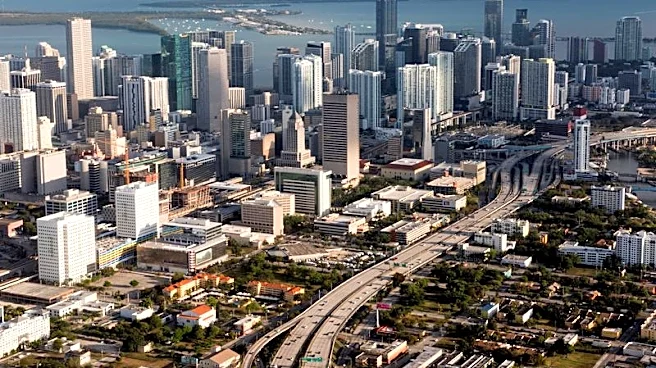
This is the crux of the issue. A significant number of games, including a semi-final, will be played in cities notorious for their brutal summer weather. AT&T Stadium in Arlington, Texas (part of the Dallas metro area) is hosting nine matches, the most of any venue. In July, Dallas regularly sees temperatures soar past 95°F (35°C), often climbing above 100°F, with stifling humidity that makes it feel even hotter. Other host cities like Houston, Miami, and Atlanta share a similar climate profile. Kansas City and Philadelphia aren't exactly cool in mid-summer, either. While many of these stadiums have roofs, FIFA has historically preferred World Cup matches to be played in open-air conditions, and not all venues are fully enclosed or air-conditioned. Even if they are, the surrounding fan fests, training sessions, and travel will all be conducted under oppressively hot conditions.
What Exactly Is a Cooling Break?
This isn’t just about players grabbing a quick sip of water. FIFA’s official Hydration and Cooling Breaks are formal, mandatory stoppages in play. They are typically implemented when the Wet Bulb Globe Temperature (WBGT)—a measure that accounts for temperature, humidity, wind, and solar radiation—crosses a certain threshold (around 89.6°F or 32°C). A cooling break is called by the referee around the 30th minute of each half and lasts for several minutes. During this time, players from both teams retreat to the sidelines for cold towels and fluids. While essential for player safety in extreme conditions, it's a complete halt to the game's natural rhythm.
The Real Impact on the Game
Here's why this becomes a "real story" beyond logistics. Soccer is a game of momentum. A team pressing its advantage, pushing for a goal before halftime, can have its rhythm completely shattered by a mandatory three-minute break. Conversely, a team on the ropes, gasping for air and desperately trying to hold on, gets a free, tactical timeout to regroup, rehydrate, and receive instructions from their coach. It changes the nature of the sport. Does it benefit older, more experienced teams who are better at managing their energy? Does it punish high-pressing, high-energy teams who rely on suffocating their opponents? The answer is likely yes. Instead of post-game analysis focusing on a brilliant tactical switch or a moment of individual genius, we could be talking about how a well-timed cooling break saved one team and doomed another. The heat won't just be a condition; it could become a deciding factor in who lifts the trophy.