

The Old Guard: Red Carpet Royalty
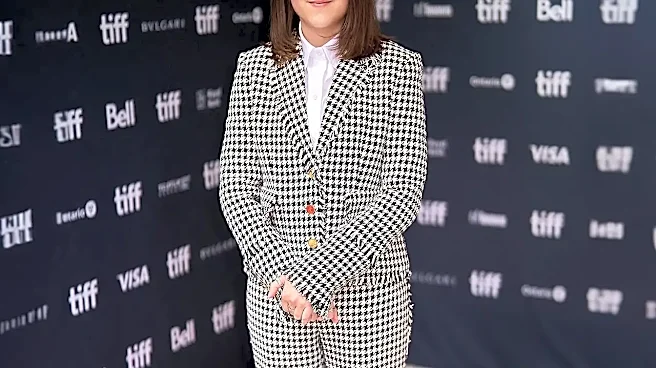
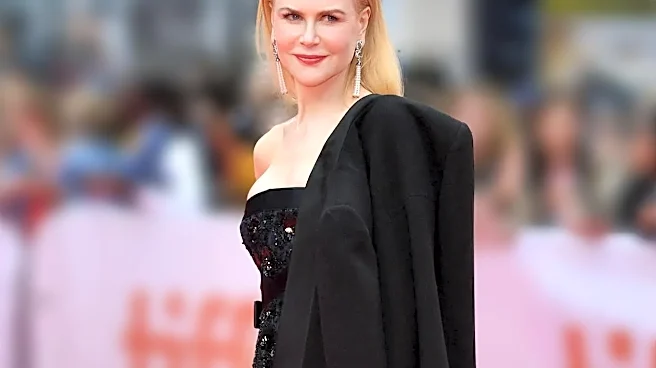
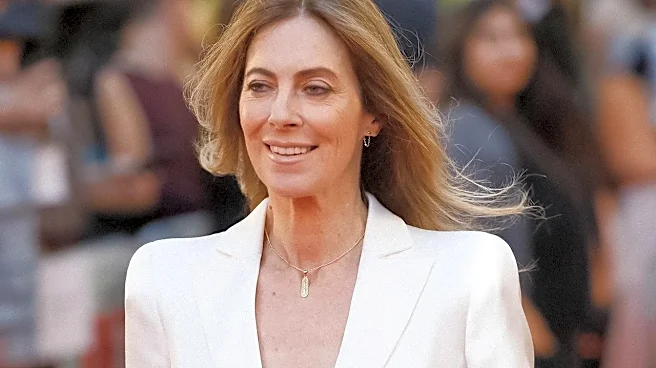
For decades, festival fashion was a top-down affair. The story of what people wore to the Toronto International Film Festival (TIFF) was told exclusively through the lens of the red carpet. Major media outlets focused on A-list celebrities arriving for
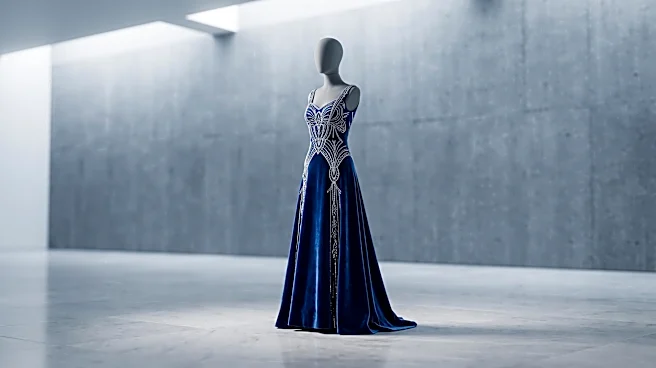
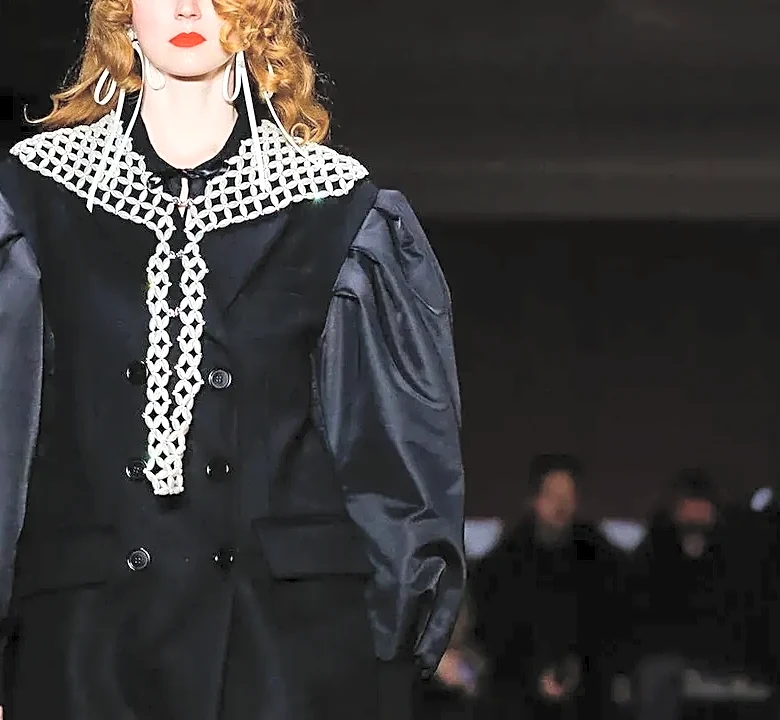
gala premieres in borrowed couture, their looks carefully orchestrated by stylists and luxury fashion houses. This was the era of the “glam squad,” where fashion was a spectacle delivered to the public, not created by them. The narrative was simple: stars wore glamorous, often unattainable outfits, and everyone else just watched. The fashion conversation began and ended with what happened in front of the flashbulbs at venues like Roy Thomson Hall, establishing a clear hierarchy between the celebrated and the spectator.
A Digital Shift and the Rise of the Blogger
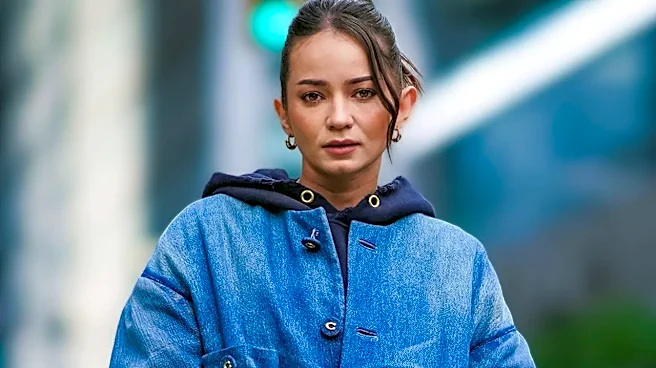
The turning point began in the mid-to-late 2000s with the explosion of digital media. Armed with new DSLR cameras and a passion for authentic style, a new genre of photographer emerged. Pioneers like the Canadian Tommy Ton and others began documenting what people were wearing off the red carpet. Their blogs and online galleries celebrated the personal style of editors, industry insiders, and fashionable locals attending the festival. This was a radical departure. For the first time, the fashion narrative expanded to include people who weren't famous actors but had a compelling point of view. It suggested that true style wasn't just about designer gowns but about how real people interpreted trends, mixing high fashion with vintage finds and creating looks that felt personal and immediate.
The Instagram Takeover: Everyone's a Tastemaker
If blogs opened the door, social media blew the walls off entirely. Platforms like Instagram and, more recently, TikTok democratized the very idea of a fashion moment. Suddenly, anyone with a smartphone could become a documentarian of festival style. Attendees began sharing their own outfits with festival-specific hashtags, creating a vast, user-generated fashion magazine in real-time. This shifted the power dynamic irrevocably. The pressure to perform and share outfits became a core part of the festival experience for many. It wasn't just about seeing films; it was about being seen. The launch of TIFF's "Festival Street" in the mid-2010s—a pedestrian-only zone with pop-ups and activations—further solidified this by creating a public stage where attendees could mingle, celebrate, and, most importantly, show off their looks.
The New Normal: A Blended Fashion Ecosystem
Today, in September 2026, the line between street style and red-carpet fashion has blurred almost completely. The two are in constant conversation. Designers and stylists now look to the streets for inspiration, observing how trends are being adopted and remixed in the real world. Celebrities, in turn, are incorporating more accessible, street-inspired elements into their press tour wardrobes, moving beyond perpetual black-tie. The fashion experience at TIFF is no longer a one-way broadcast but a dynamic ecosystem. Recent events around the 51st edition of the festival show this fusion in full effect, with industry parties and public-facing events creating a fluid style landscape. Coverage of the festival now seamlessly blends photos of stars like Naomi Watts and Cynthia Erivo in Dior with candid shots of stylish attendees on King Street West. The style of the city has become inseparable from the style of the stars, creating a richer, more authentic fashion identity for the festival as a whole.