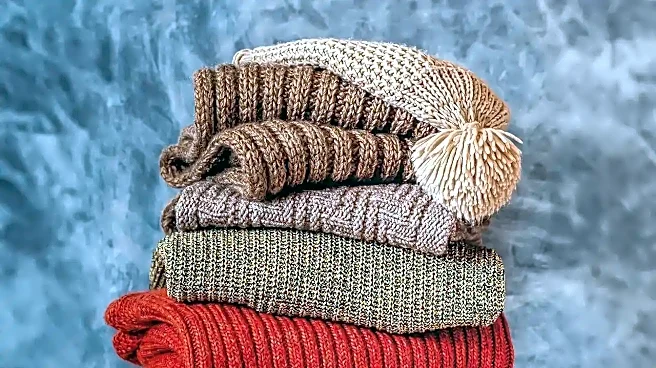







Step 1: The Knitwear Audit
Start by taking stock of your collection. Pull every sweater, cardigan, and knit accessory out of storage. Assess each piece for wear and tear. Are there small holes that need mending? Has pilling gotten out of control on a favorite crewneck? This is also
the time to be honest about what you'll actually wear. Sort items into three piles: keep, repair, and donate. For the keepers and those in need of repair, the next step is a thorough cleaning, which is crucial before storing or wearing. Cleaning removes residual body oils, dirt, or food particles that can attract pests like moths and cause fibers to degrade over time.
Step 2: The Gentle Wash
Always check the garment's care label first. Many wool, cotton, and even some cashmere-blend sweaters can be machine-washed on a cold, delicate cycle, but placing them in a mesh laundry bag provides extra protection against snagging. For more delicate items like pure cashmere or fine-gauge wool, hand-washing is the safest method. Fill a clean sink or basin with cool to lukewarm water and a small amount of mild, pH-neutral detergent formulated for wool or delicates. Submerge the garment, gently swishing it for a few minutes. Avoid aggressive scrubbing or wringing, which can cause fibers to felt or stretch. Let it soak for about 15-30 minutes before rinsing thoroughly with cool, clean water.
Step 3: The Art of Drying Flat
Never hang a wet sweater. The weight of the water will stretch the fibers and permanently ruin its shape. Instead, gently squeeze out excess water without twisting the garment. Lay the sweater flat on a thick, clean towel. Roll the towel up like a burrito, pressing firmly to absorb as much moisture as possible. Then, unroll it and lay the sweater flat on a dry towel or a mesh drying rack. Reshape the arms and body to their original dimensions and let it air-dry completely, away from direct sunlight or heat, which can cause fading or shrinkage. This may take a day or two.
Step 4: Depill and Defuzz
Pilling—those tiny, annoying fuzz balls—is a natural result of friction, but it's easily managed. Removing pills is a great way to bring a knit back to life. You can use several tools for this. An electric fabric shaver works well, but use a light touch in a circular motion to avoid damaging the fabric. For finer fabrics like cashmere, a sweater comb is a gentler option; lay the garment flat and comb in one direction. A sweater stone can also be effective. For a quick fix on minor pilling, you can carefully snip individual balls off with small scissors.
Step 5: Smart Storage Solutions
Once your sweaters are clean, repaired, and completely dry, it's time to store them properly. The golden rule of knitwear storage is to fold, not hang. Hanging puts stress on the shoulders and can cause the entire garment to stretch out of shape. For long-term seasonal storage, use breathable containers like cotton or canvas bags rather than plastic bins, which can trap moisture and lead to mildew. Placing natural moth repellents like cedar blocks or lavender sachets among your knits is a great way to protect them from pests without using harsh chemicals. Store the containers in a cool, dark, and dry place, like a closet shelf, rather than a damp basement or hot attic.