

The Unseen Hero of Clean Edges
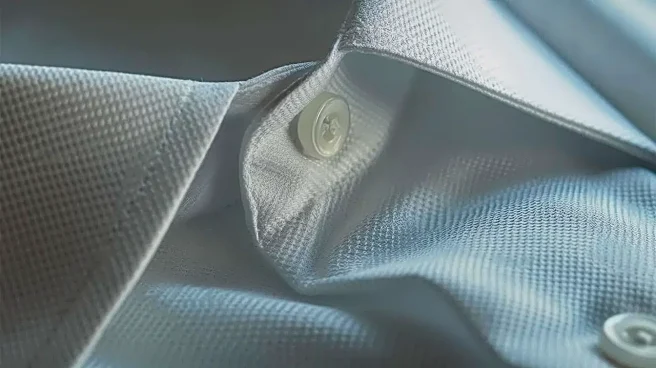
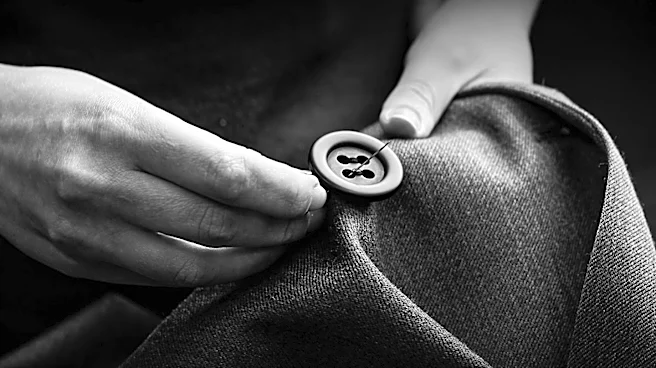
Understitching is a straight stitch that's sewn on the inside of your garment, so it’s completely invisible from the outside. Its job is simple but crucial: it secures the facing (the piece of fabric used to finish a raw edge, like a neckline) or lining
to the seam allowance. By anchoring these layers together on the inside, it forces the seam to roll slightly inward, away from public view. Think of it as a hidden guardrail that keeps everything tucked neatly where it belongs. It’s the difference between a neckline that looks effortlessly sharp and one that looks vaguely 'homemade'.
Why Pressing Alone Isn’t Enough
A hot iron is a sewer’s best friend, and a good pressing can make seams look crisp—temporarily. But fabric has a mind of its own. Through movement, washing, and wearing, seams and facings will naturally try to shift toward the path of least resistance, which is often right out into the open. A faced neckline, for instance, has a natural tendency to roll outward, exposing the facing’s edge. Understitching provides a permanent, structural solution that pressing can’t. It mechanically encourages the edge to stay turned inward, meaning your neckline will lie flat and look perfect all day, no matter what. It’s a foundational step that builds durability into the design.
The Anatomy of an Understitch
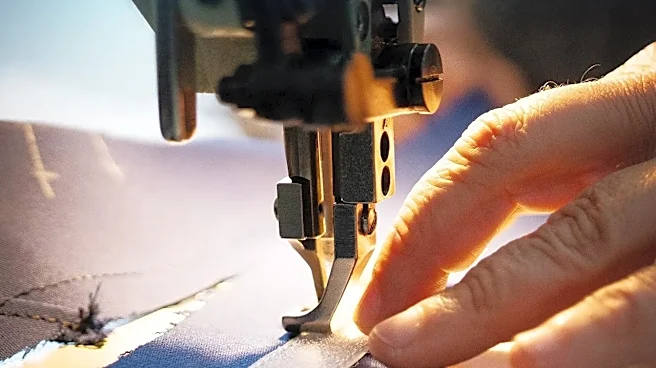
While it sounds technical, understitching is surprisingly straightforward. After you’ve sewn the main fabric and the facing together at the seam line, you simply press both layers of the seam allowance toward the facing. Then, from the 'right' side of the facing, you sew a line of stitches about an eighth of an inch away from the original seam. This stitch line goes through the facing and the seam allowances underneath, but not through the main garment fabric. That’s it. This single line of stitching is what tames the edge and creates that clean, professional roll that stays put.
Understitching vs. Topstitching
It’s easy to confuse understitching with topstitching, but they serve very different purposes. Topstitching is sewn on the outside of the garment and is meant to be seen. It can be functional, like securing a pocket, but it’s often decorative, adding a stylistic detail to cuffs, collars, or hems. Understitching, on the other hand, is purely functional and always hidden. Its only goal is to control the behavior of a seam from the inside. If you can see the stitch from the outside, it isn't understitching. One is for looks, the other is a secret structural weapon.
Beyond the Neckline: Where Else It Matters
The neckline is the most common place people learn about understitching, but its magic works on any faced edge. Use it on the sleeveless armholes of a dress or top to prevent the lining from peeking out. Apply it to the front opening of a blazer, along the edge of a collar stand, or inside a pocket opening. Any place where two pieces are seamed and one is folded to the inside, understitching will provide a superior finish. Once you see the sharp, clean result it produces, you'll start looking for every opportunity to add this simple step to your projects.