






More Than a Rocky Barrier
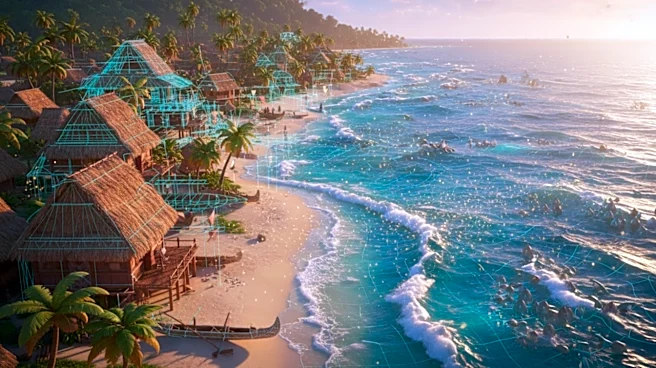
In the 2016 animated classic, the reef surrounding Moana's island is more than just geography; it's a critical plot device. It’s the line her father, Chief Tui, forbids anyone to cross, a boundary born of past trauma and fear. For the community, it represents
safety and the known world. For Moana, it’s a cage, a symbol of the limitations placed on her and her people. The problem is, this safety is an illusion. The ecological decay caused by Te Kā's curse is poisoning the lagoon from within, proving that staying behind the reef isn’t a solution, but a slow death. The live-action film, helmed by 'Hamilton' director Thomas Kail, can take this concept and make it visceral. Instead of just a line on a map, the reef can be portrayed as a living entity that is visibly sick—a direct reflection of the island's stagnating culture.
The Language of the Living Reef
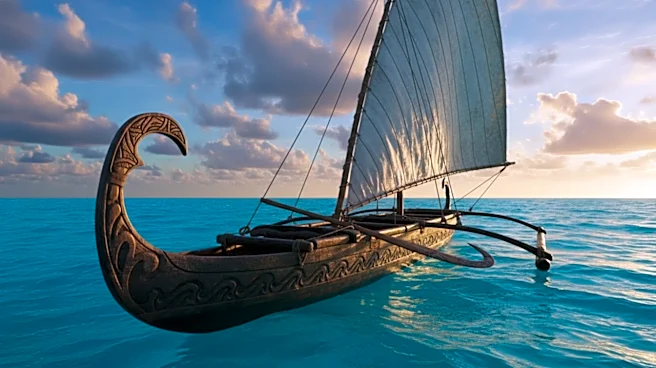
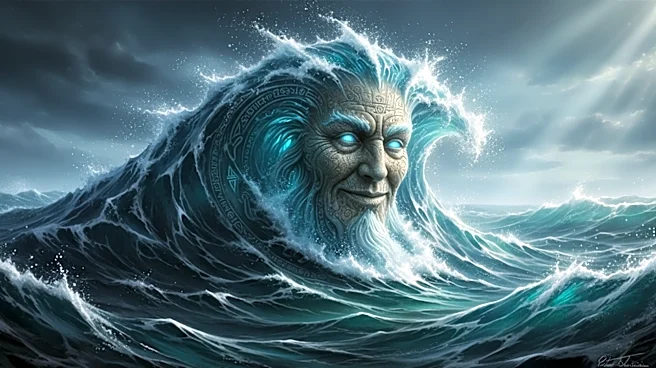
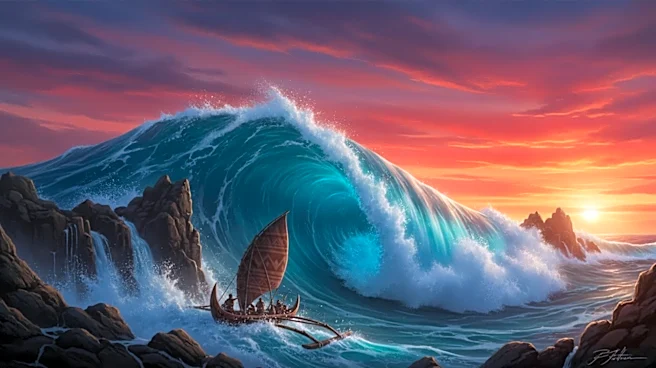
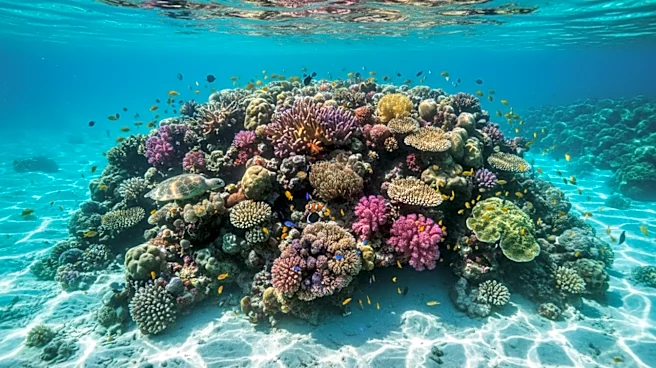
How do you give a coral reef a personality without resorting to cartoonish, talking fish? The film can use a combination of sophisticated visual and audio storytelling. Imagine the reef having its own soundscape. When Moana is young and the island is prosperous, the sounds could be vibrant—the gentle clatter of healthy coral, the teeming life of fish. As the darkness spreads, this could shift to unsettling noises: the grating, brittle sound of dying coral, the eerie silence where fish used to swarm. Visually, the color palette can tell the story. The reef could go from a kaleidoscope of life to a ghostly, bleached boneyard. When Moana attempts to cross it early in the film and fails, the reef itself could feel actively hostile—sharp edges seeming to lunge at her canoe, currents pulling her into jagged crevasses. It wouldn't need a face to feel like an antagonist.
A Mirror to Motunui's Soul
The reef’s condition can serve as a direct, real-time barometer for the spiritual health of Motunui's people. In the animated film, Gramma Tala speaks of the island's past, of a time when they were voyagers. That tradition was lost to fear, and the people retreated behind the reef. A live-action version can show this connection explicitly. As the people's fear and isolation grow, the reef becomes more treacherous and barren. Its decay is a physical manifestation of their broken connection to their ancestors and to the ocean itself. When Moana finally embraces her destiny and inspires her people to look outward once more, the reef's healing could be the film’s stunning final visual—a slow return of color and life that symbolizes the community's own revival. This gives the setting narrative purpose, making it an extension of the characters' collective emotional journey.
The Ultimate Teacher and Final Test
By treating the reef as a character, it can also become Moana’s first and most important teacher. Before she ever meets Maui, she must learn to read the waves, the currents, and the dangerous passages of the reef. Her failed attempt to cross it isn't just a plot point; it's a lesson. The reef teaches her humility and shows her the skills she still needs to acquire. When she finally succeeds, it’s not because she brute-forced her way through, but because she learned to understand and respect it. This turns the crossing from a simple act of defiance into a graduation. For the live-action movie starring Catherine Laga'aia and Dwayne Johnson, this sequence could be a thrilling, practical-effects-driven spectacle that establishes Moana’s competence and resolve long before she has to deal with demigods and monsters. It makes her victory over the boundary a personal achievement, not just a gift from the magical ocean.