





The New Guard's Calculated Disruption
The most telling trend from the 60th Annual CMA Awards wasn't a color or a cut, but a clear rejection of traditional Nashville glamour. While sequins and formal gowns still had their place, a rising class of artists used the carpet to cement their outsider
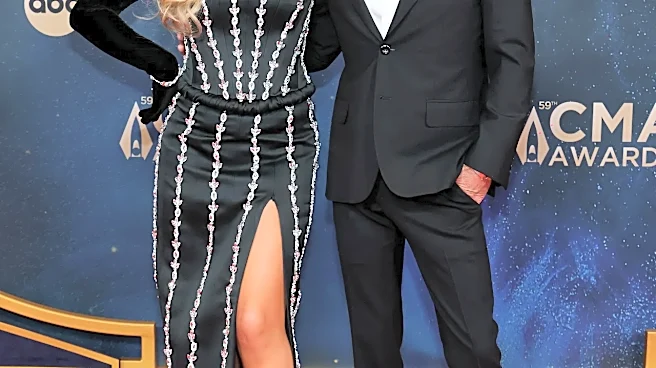
status. Crossover stars and genre-benders made it clear they weren’t just visiting country music; they were moving in and redecorating. Look at artists who leaned into denim, leather, and custom suits that felt more personal than pulled from a showroom. These weren't sloppy, casual looks; they were sharp, tailored, and intentional. The message was clear: 'Our music doesn’t fit the old mold, and neither does our style.' By sidestepping the expected 'rhinestone glam,' they connect with a younger audience that values authenticity over pageant-style perfection, signaling a cultural shift that is happening in the music itself.
Reinforcing Royalty: The A-List Playbook
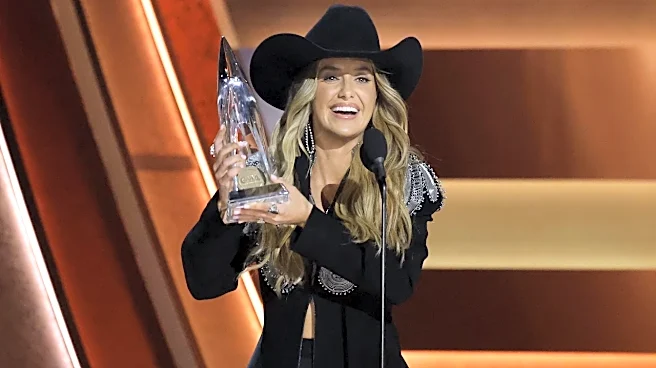
While newcomers made waves, established superstars used the red carpet to prove why they’re at the top. For country royalty, the fashion playbook is less about disruption and more about projecting unshakeable power and elegance. Think classic silhouettes, high-fashion designers, and flawless execution. Lainey Wilson, a host for the evening, is a prime example of an artist who understands this balance. While known for her signature bell-bottoms and Western flair, for major events she often elevates that persona into a more polished, black-tie version. For A-listers, a stunning but safe choice isn't boring—it's strategic. It telegraphs stability, success, and a command of the industry. Their outfits don’t need to scream for attention because their careers already have it. This classic approach reinforces their image as enduring icons, not fleeting trends, assuring fans and the industry alike that they remain the genre's standard-bearers.
The Pivot: When an Outfit Signals a New Era
Sometimes, a single red carpet look can act as a press release for a career change. An artist on the verge of a new album cycle or looking to shed an old image will often use the CMA carpet as their launchpad. Did a star known for sweet ballads show up in an edgier, all-black ensemble? That’s not a random choice; it’s a preview of a new sound. Conversely, a honky-tonk favorite who appears in a sophisticated, minimalist gown might be signaling a move toward a more mature, mainstream-friendly brand. This year, several mid-career artists appeared to be testing the waters. These style pivots are fascinating to watch because they are a direct glimpse into the machinery of celebrity. They represent a calculated risk, an attempt to guide the public's perception before a single new note has been released. The outfit becomes the opening track of their next chapter.
The Authenticity Gauntlet
Ultimately, the biggest winner on any red carpet is authenticity, but the definition of that is changing in country music. It no longer means just boots and a cowboy hat. The controversy before the show over red carpet access for veteran artists like Sammy Kershaw highlighted a deeper tension within the industry about who gets seen and celebrated. In a year when the CMAs aimed to honor its 60-year history while also celebrating 2026's breakout stars, the fashion on display reflected that same push and pull. The looks that resonated most were those that felt true to the artist wearing them, whether that was a sparkling gown, a tailored suit, or a leather jacket. An artist who looks uncomfortable or like they're wearing a costume, even an expensive one, immediately creates a disconnect. In today's market, fans have a sharp eye for manufactured personas, and the red carpet is the first and most visual test.