
The Blueprint of Controlled Chaos
Long before the first note is played, the show is meticulously planned by a production manager. This is the organizational mastermind responsible for the entire technical execution of the event. Their job starts weeks or even months in advance, coordinating
with each act—whether it's a five-piece rock band, a solo DJ, or a dance crew—to understand their specific needs. They gather technical riders, which are documents detailing everything from the number of microphones required to the specific lighting atmosphere an artist wants. This information is synthesized into a master plan, including a detailed stage plot that maps out where every piece of equipment and every performer will be. This blueprint ensures that the limited stage space is used with maximum efficiency, preventing logistical nightmares on show day.
A High-Stakes Stage Ballet
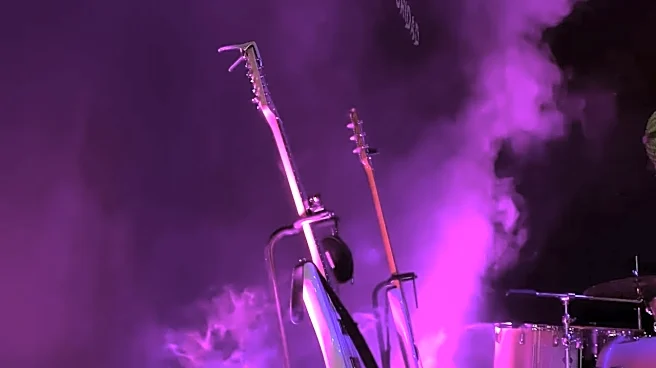
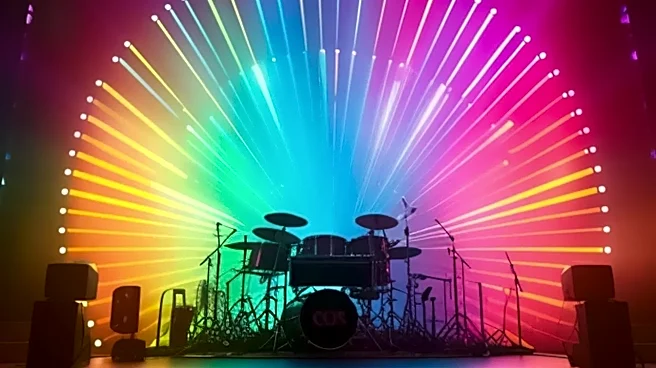
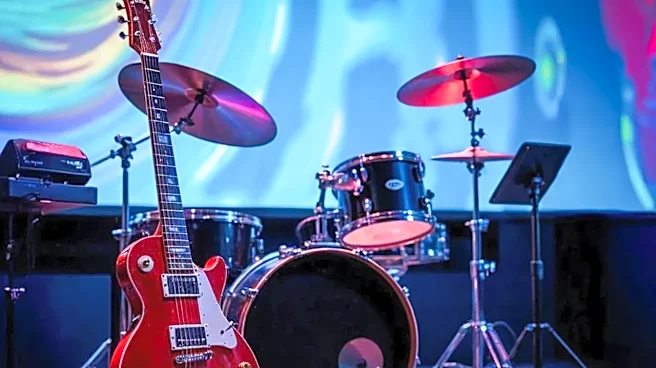
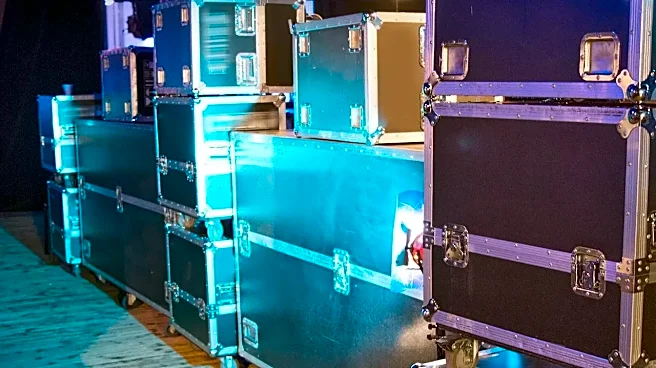
The secret to the impossibly fast changeover between acts often comes down to one key piece of equipment: the rolling riser. These are essentially stages on wheels. A full drum kit, which can take ages to set up and mic properly, is often assembled on a rolling riser backstage. When it's time for that band to play, the entire platform is simply wheeled into position and locked in place. The same goes for a DJ's complex setup of turntables and mixers. This modular approach is essential for festival-style shows where multiple bands share a stage. Wing space on either side of the main stage becomes a crucial staging area, holding the next act's gear, pre-patched and ready to roll. The changeover itself is a flurry of activity performed by a highly skilled stage crew, who move with practiced precision to strike the previous set and position the next one in minutes.
Wrangling the Audio Avalanche
Handling the sound for such varied performances is a massive challenge. A dancer might need only a subtle playback track, while a metal band requires a wall of sound with dozens of open mics. This is the domain of the audio engineers, both at the Front of House (FOH) console where the audience's sound is mixed, and at the monitor world on the side of the stage, where the performers' own mixes are handled. Modern digital mixing consoles are a lifesaver here. Engineers can create and save a completely different console setup, or "scene," for each performer. When a new act takes the stage, the engineer can recall the corresponding scene with the press of a button, instantly loading all the right microphone levels, effects, and equalization settings that were dialed in during a soundcheck or based on the artist's technical rider.
Painting with Light and Video
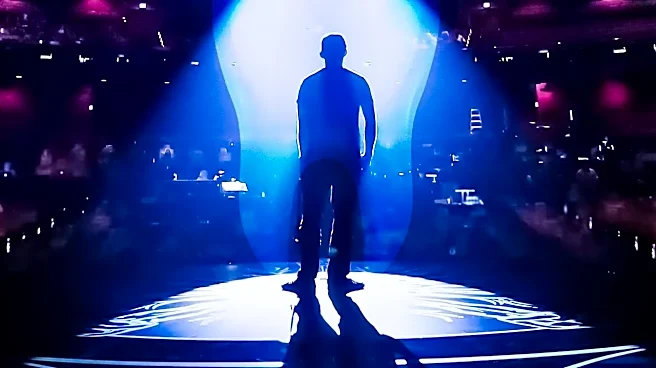
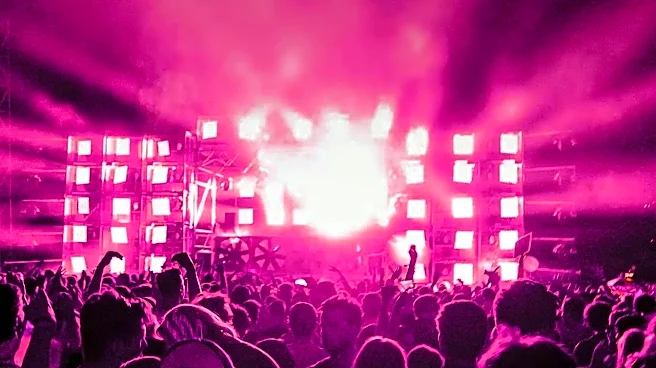
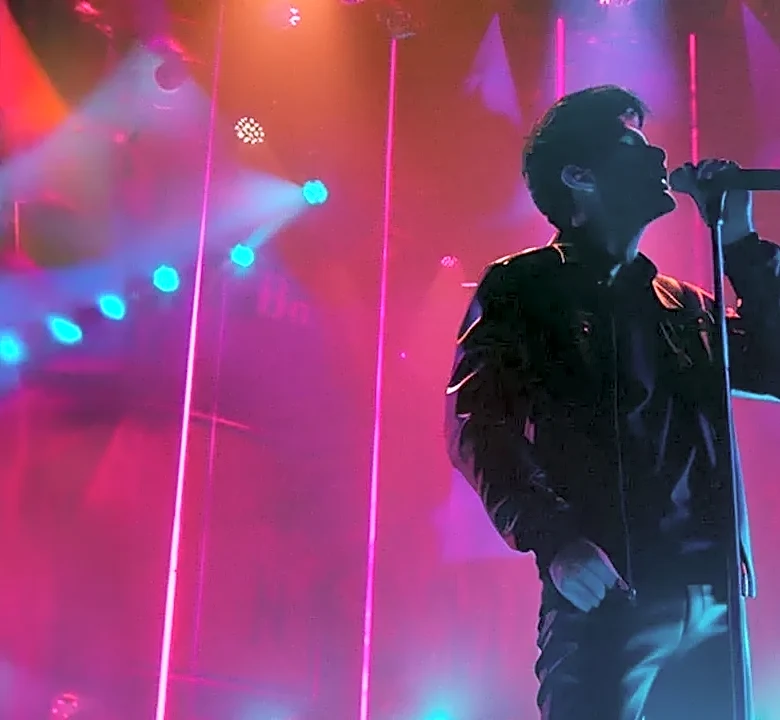
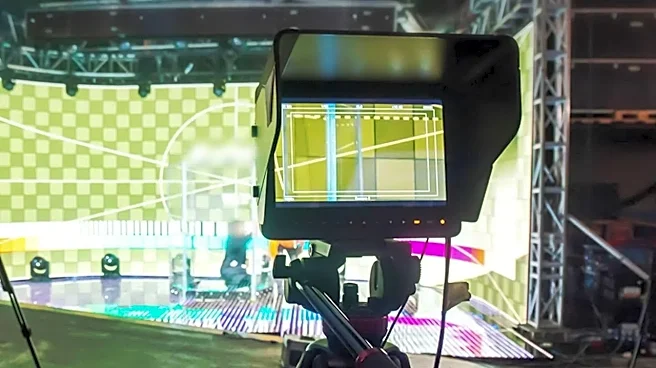
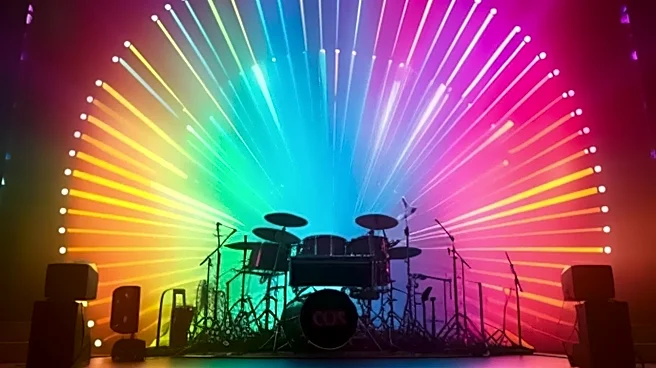
Just as the audio needs vary, so do the visuals. A DJ set might thrive on pulsating strobes and dynamic video walls, while a folk singer requires a simple, warm spotlight. A single, versatile lighting rig is designed to accommodate this range. Lighting designers program cues for each act in advance, creating distinct moods that can be triggered in sequence. A solo performer might be isolated in a tight, dramatic pool of light, while a full band is washed in energetic colors. For dancers, the lighting has to illuminate their movements without blinding them or casting distracting shadows. This coordination between light, sound, and physical staging is what transforms a series of separate performances into a single, cohesive, and seamless entertainment experience for the audience.