







The Original Performance Arena
Long before HD cameras and stadium scoreboards, the theater was the original performance arena where appearance was paramount. Under harsh gas or early electric lighting, actors' features would wash out, rendering them expressionless to the audience.
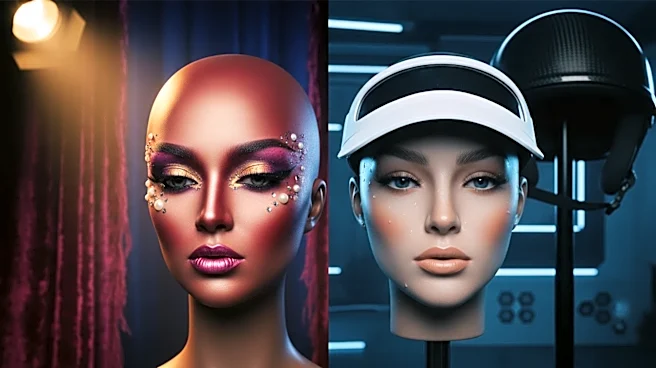
The solution was stage makeup, a heavy-duty toolkit designed for visibility and durability. In the late 19th century, German opera singer Ludwig Leichner developed greasepaint, a revolutionary product that offered vibrant color and adhered to the skin through sweat and heat. Techniques like dramatic contouring to sculpt the face, heavy powder to reduce shine, and bold liner to define eyes weren't about vanity; they were essential tools of communication, ensuring every emotion could be seen from the back row.
Shared Demands: Lights, Sweat, Action
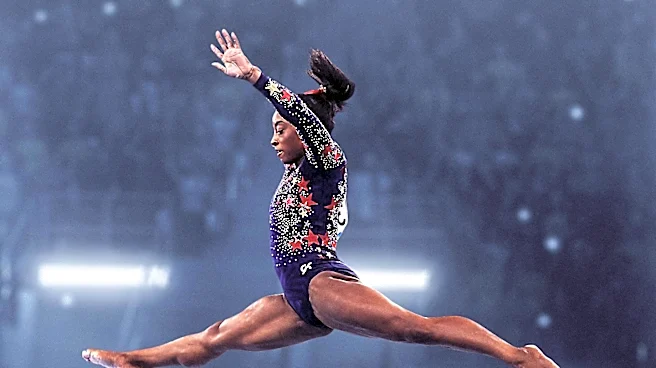
The modern sports stadium shares more with a Broadway theater than one might think. Both are environments with intense, unflattering lighting that can obliterate facial features. Both involve performers undergoing extreme physical exertion, leading to sweat that can ruin conventional cosmetics. And today, both are scrutinized by high-definition cameras that capture every detail. Athletes in sports like synchronized swimming, gymnastics, and track and field face the same fundamental challenge as stage actors: how to wear makeup that not only looks good but lasts through a performance. The need for waterproof, sweat-proof, and smudge-proof products is identical. This parallel set of problems paved the way for a migration of solutions.
The Modern Athlete's Toolkit
Many techniques now common among athletes are direct descendants of stagecraft. "Baking," a method of setting concealer with a heavy layer of translucent powder and letting it cook with body heat, creates a creaseless, bulletproof finish perfect for long competitions. This practice was born in the drag community, itself heavily influenced by theatrical traditions, to ensure makeup could withstand hours under hot lights. Strategic contouring, once used to carve out cheekbones for a distant audience, now helps define an athlete's features for the camera. And the primers, waterproof formulas, and powerful setting sprays that lock everything in place are the modern evolution of greasepaint, designed specifically for performance and longevity.
Beyond Performance: The 'Game Face' as Identity
For many modern athletes, however, makeup is more than just a technical solution. It has become a crucial part of their pre-game ritual and personal brand. It's a way to get into character, to feel confident and powerful—a concept often described as the "look good, feel good, play good" mentality. Athletes like track stars Sha'Carri Richardson and the late Florence Griffith Joyner became as known for their expressive nails and makeup as for their world records, using beauty as a form of self-expression in a world of uniforms. This psychological armor helps them focus on the competition, not on insecurities. In an era of intense media scrutiny, creating a distinctive "game face" is also a powerful tool for branding and controlling their own narrative.