






The Inevitable Cutaway
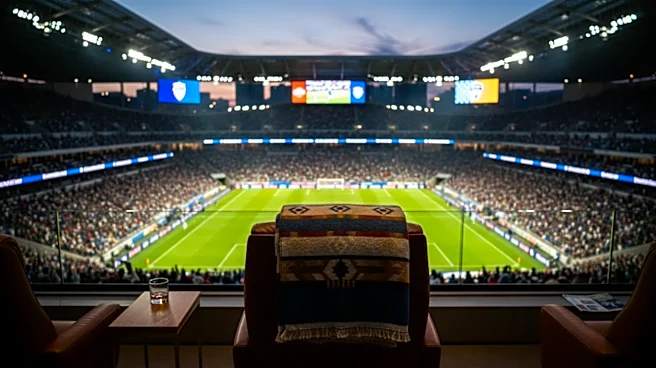
It’s a modern ritual of sports spectating. Whether it’s the Super Bowl, the NBA Finals, or a World Cup match, the director in the broadcast truck knows that a well-timed shot of a celebrity can generate as much, if not more, social media chatter than
the game itself. For decades, this was a niche part of the experience, a fun 'look who's here' moment. But in today's hyper-connected media landscape, that cutaway is no longer just a momentary distraction; it’s a strategic move. It's a signal that the event has transcended sport and entered the realm of pure entertainment, where the narrative in the stands is often crafted to be as compelling as the one on the field. Casual viewers, who may not know the intricacies of a cover 2 defense, are given a familiar anchor point, a recognizable character in a drama they can instantly understand.
The Billion-Dollar Storyline
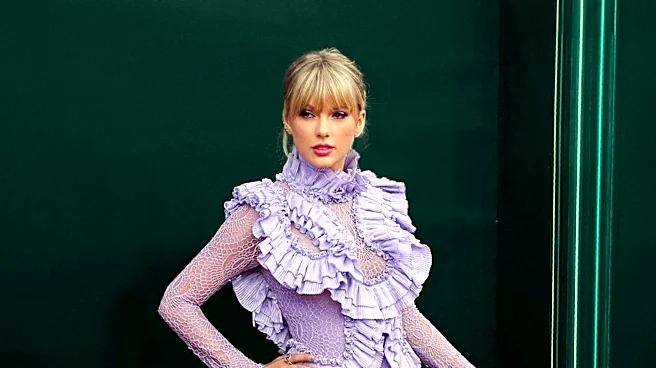
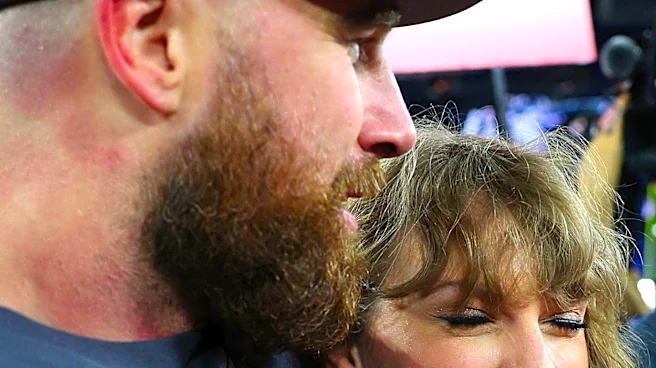
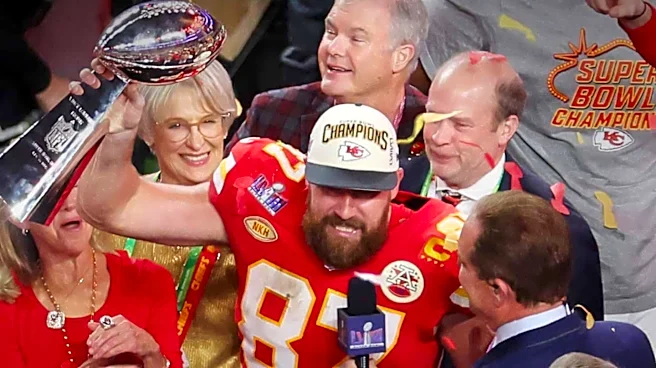
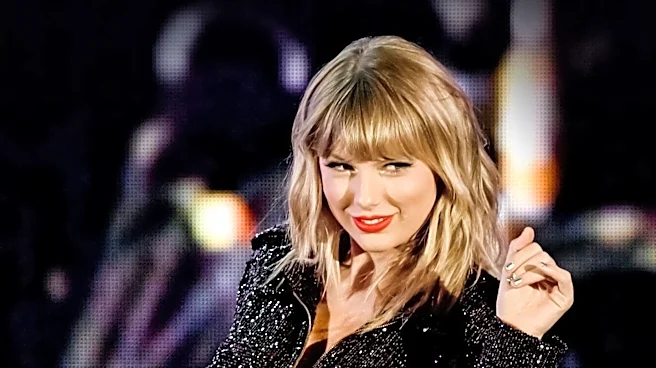
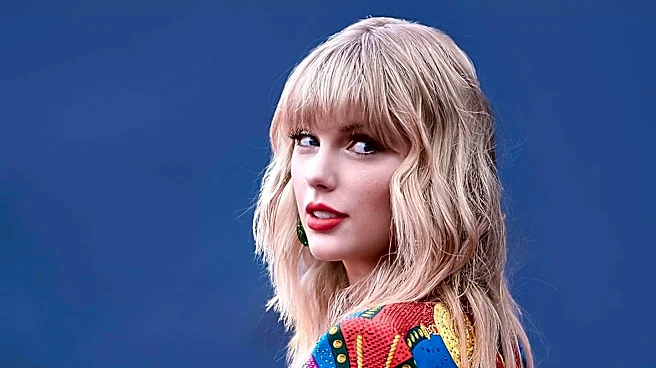
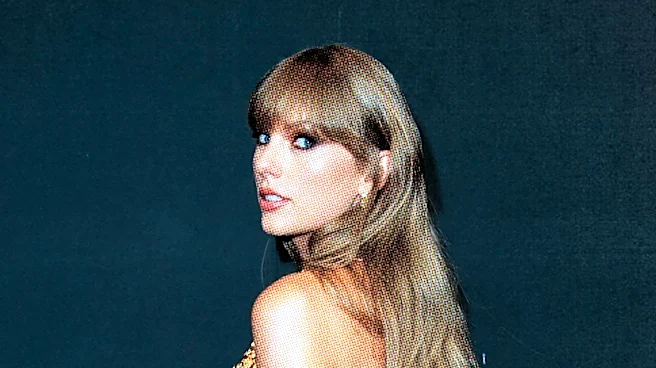
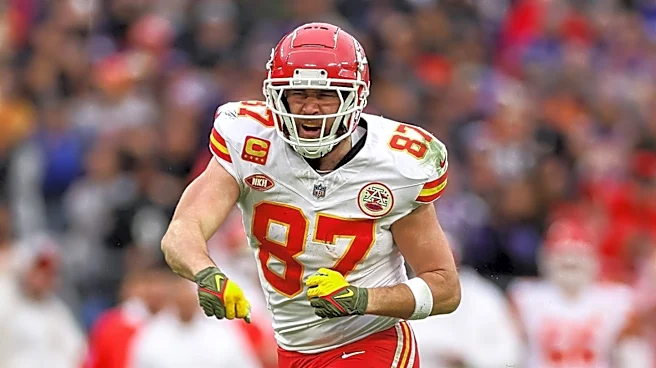
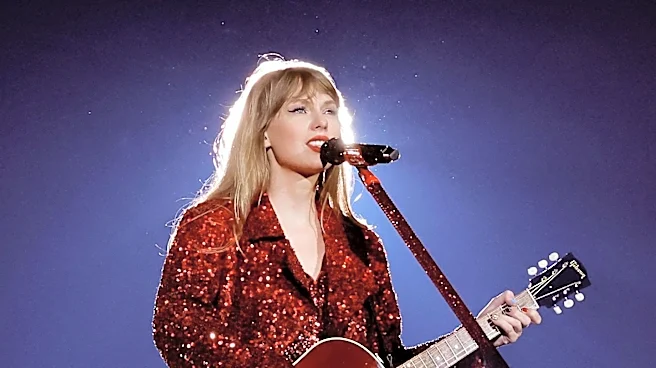
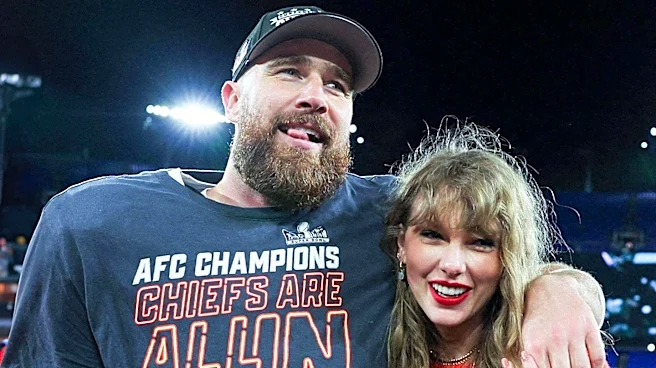
No single event crystalized this phenomenon more than Taylor Swift’s appearances at Kansas City Chiefs games. What began as a rumored romance with tight end Travis Kelce quickly morphed into a full-blown cultural moment, meticulously documented by broadcast cameras. The NFL, far from treating it as a sideshow, leaned in hard. The results were staggering. Viewership among teenage girls and young women skyrocketed, with some reports showing spikes of over 50% in key female demographics. Travis Kelce’s jersey sales jumped by nearly 400%, and previously untapped audiences were suddenly debating the merits of a play-action pass. The so-called 'Taylor Swift Effect' demonstrated that one celebrity could not only change the conversation but also dramatically expand the audience, generating hundreds of millions in brand value for the league. It proved that the right celebrity, at the right time, is the most powerful marketing tool in sports.
The Courtside Icons
Long before the NFL discovered this power, the NBA had perfected it. The image of Jack Nicholson, sunglasses on, smirking courtside at a Lakers game is as much a part of the team's lore as Magic Johnson's no-look passes. Nicholson, a season ticket holder since 1970, wasn't just a fan; he was part of the arena's atmosphere, a permanent fixture who famously scheduled film shoots around the Lakers' home games. On the other coast, filmmaker Spike Lee became synonymous with the New York Knicks, his passionate, and sometimes confrontational, support making him an unofficial mascot and a key character in the team's narrative for decades. These weren't just fans; they were icons who lent their own cultural cachet to the teams they loved, blurring the line between spectator and participant. Their presence made the games feel like a cultural event, the hottest ticket in town not just for sports fans, but for anyone who wanted to be where the action was.
A Mutually Beneficial Arrangement
Ultimately, the famous face in the stands isn’t there by accident. It is the result of a complex, symbiotic relationship between sports leagues, media networks, and celebrity culture. For the leagues, celebrities provide glamour, free marketing, and access to new demographics. For the networks, celebrity reaction shots are invaluable content, filling dead air and creating viral moments that keep viewers engaged even during a blowout. And for the celebrities themselves, a courtside seat or a luxury suite is a high-profile stage for brand management, a way to be seen and stay relevant. In this ecosystem, everyone wins. The conversation shifts from the game to the spectacle because the spectacle is often more profitable. The celebrity isn’t just a fan; they are a strategic asset, an influencer turning a three-hour game into a 24/7 content cycle across social media, broadcast television, and pop culture conversations.