






A High-Stakes Production
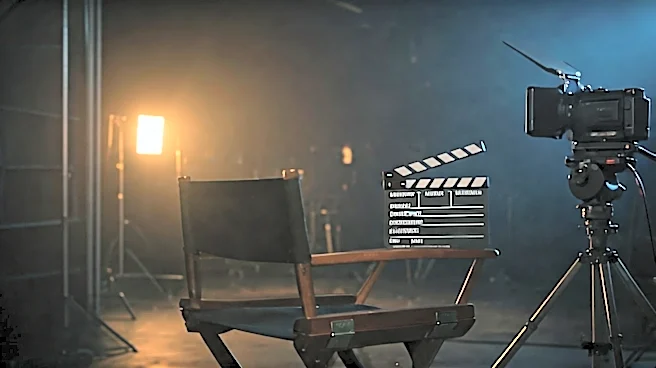
The film was “The Man Who Knew Too Much,” a glossy, high-budget remake of Alfred Hitchcock’s own 1934 British thriller. Starring James Stewart and Doris Day, the production was a major Hollywood event, moving from the vibrant, chaotic markets of Marrakesh
to the stately concert halls of London. For Day, it was a dramatic turn, playing a frantic mother whose son is kidnapped to ensure her silence about an assassination plot. For Hitchcock, it was a chance to repaint his earlier work with a bigger budget and two of the era’s most bankable stars. On paper, it was a perfect pairing of talent, but the sun-drenched location in Morocco would soon become the backdrop for a serious conflict.
Trouble in Marrakesh
While filming the sprawling marketplace scenes, Day became increasingly distraught. The set was filled with animals—goats, camels, horses, and dogs—used to create an authentic atmosphere. But their condition was appalling. She saw emaciated creatures, hobbled and mistreated, suffering under the Moroccan sun. In her 1975 autobiography, “Doris Day: Her Own Story,” she recounted her horror at the scene. For Day, a lifelong animal lover, it was an unbearable sight. This wasn’t just a job; it was a matter of conscience, and the cheerful, professional star decided she could not stay silent.
An Ultimatum for Hitchcock
Known for being pleasant and easy to work with, Day did something virtually unheard of for an actress at the time: she confronted the film’s powerful director. She told Alfred Hitchcock that she would refuse to continue working until the animals were properly cared for. It was a bold move, risking the ire of a director known for his meticulous and often controlling nature. She essentially threatened to walk off the set, grinding the multi-million dollar production to a halt unless her demands were met. According to her accounts, she had never made waves on a film set before, but this was a line she would not cross.
The Director's Surprising Response
Instead of firing her or dismissing her concerns, Hitchcock responded with surprising swiftness. He reportedly turned to his crew and acknowledged Day's concerns, ordering that a feeding station be established immediately. Before filming could resume, he ensured that all the animals on and near the set were given food, water, and proper care. Day personally supervised the feeding to make sure the changes were real and not just for show. Only when she was satisfied that the animals were no longer suffering did she agree to return to the set and finish the film. The incident revealed a deep integrity that even the formidable Hitchcock had to respect.
A Legacy Beyond the Screen
This moment on a dusty Moroccan set was more than just a behind-the-scenes anecdote; it was a turning point. Day realized her fame could be a powerful tool for advocacy. The incident crystallized a passion that would define the rest of her life. After retiring from acting, she dedicated herself almost entirely to animal welfare, founding Actors and Others for Animals in 1971 and later the Doris Day Pet Foundation (now the Doris Day Animal Foundation) in 1978. She became one of the most prominent animal rights activists in the country, earning the nickname “The Dog Catcher of Beverly Hills” for her hands-on rescue work and lobbying for humane legislation.