
The Old Red Carpet Playbook
For decades, the celebrity publicity machine operated on a simple, powerful formula. The entire promotional effort built toward a single, spectacular moment: the film’s premiere. The goal was to land one
iconic photograph of the star in a breathtaking gown that would dominate newspaper front pages, magazine covers, and E! News segments the next day. This was fashion as a lightning strike—a singular event designed for maximum, concentrated impact. Publicists and stylists would spend months securing that one perfect dress from a major fashion house. It was a high-stakes bet on a single image defining the entire promotional cycle. The dress was the story.
A New, Fragmented Media World
That playbook is now collecting dust, thanks to the internet. The 24-hour news cycle has been replaced by a never-ending, minute-by-minute content feed. A single premiere photo, no matter how stunning, gets buried in the digital avalanche within hours. Today’s audience consumes media across a dozen platforms—Instagram grids, TikTok videos, X (formerly Twitter) threads, and countless online fashion blogs. To stay relevant, you can't just create a moment; you have to create momentum. A publicist’s job is no longer to secure one splashy cover but to feed a voracious, multi-platform content machine for weeks on end. A single dress just doesn’t provide enough material. The modern press tour requires a constant stream of new, shareable assets, and fashion has become the most effective way to generate them.
“Method Dressing” as a Narrative Tool
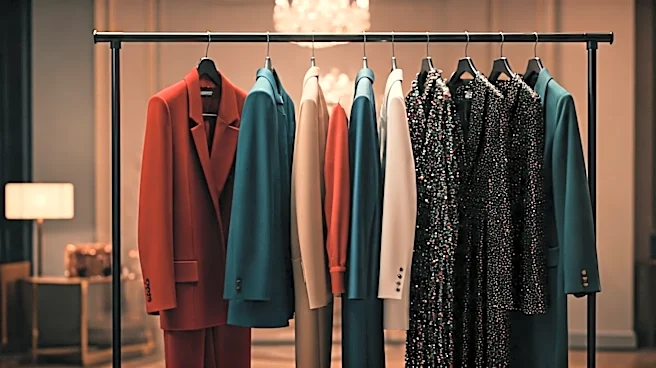
This is where the pivot to press-tour separates and thematic wardrobes comes in. Instead of one premiere dress, stars now showcase a curated collection of looks for every photocall, interview, and airport arrival. This strategy is often called “method dressing,” where the star’s wardrobe directly references the film they’re promoting. Think of Zendaya’s tour for *Challengers*, where stylist Law Roach dressed her in custom Loewe heels with tennis balls on them and vintage looks that screamed “country club chic.” Or Margot Robbie’s *Barbie* tour, where stylist Andrew Mukamal painstakingly recreated iconic Barbie doll outfits. This isn’t just about looking good; it’s about telling a story. Each outfit becomes a new headline, a new Instagram post, and a new way to talk about the movie without ever mentioning the plot. The fashion *is* the marketing.
The Stylist as Image Architect
This shift has elevated the role of the celebrity stylist from a person who picks pretty clothes to a crucial strategic partner. Power players like Law Roach and Andrew Mukamal are now “image architects” who collaborate deeply with publicists and studio marketing teams. They plan the press tour’s fashion arc like a military campaign, mapping out looks for every city and media appearance. They work with fashion houses to create custom pieces that generate buzz and hunt for rare archival items that will get fashion critics talking. This turns the press tour into a secondary form of entertainment. People follow the fashion with the same fervor they follow the film, creating a powerful feedback loop of engagement that keeps the project at the center of the cultural conversation.
It's All About the Impressions
Ultimately, this strategic pivot is a business decision rooted in measurable results. Every new outfit is a new data point. It’s a fresh set of photos for Getty Images, a new gallery for Vogue.com, a viral TikTok transition, and another reason for fans to post. Each of these generates “media impressions”—the industry term for the number of times a piece of content is seen. While the one-dress strategy aimed for high-quality impact, the multi-look campaign aims for overwhelming quantity and reach. It ensures that for two to three weeks, the film and its star are virtually unavoidable online. The cost of commissioning a dozen high-fashion looks is a marketing expense that pays for itself in earned media, creating a level of organic buzz that a traditional ad buy could never achieve.