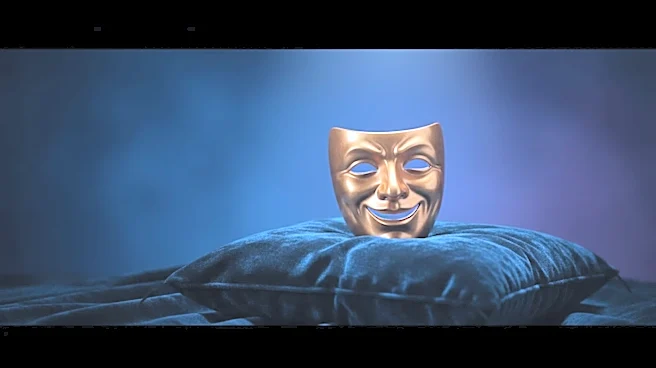







The Performance of Pain
Every Emmy season, we are inundated with “For Your Consideration” ads showcasing actors who have undergone grueling transformations to embody real people. The narrative is seductive: an artist suffers for their craft to deliver an authentic portrayal
of suffering. This focus on the performance of pain, however, creates an ethical paradox. When an actor wins an award for portraying a serial killer, as Evan Peters did for his role in "Dahmer – Monster: The Jeffrey Dahmer Story," the celebration can feel deeply unsettling. The real-world tragedy becomes a backdrop for career achievement. The victims' families are often left to watch as the worst moments of their lives are repackaged as a triumph of acting. Research suggests that actors themselves can be psychologically affected by inhabiting such traumatic roles, sometimes struggling to separate themselves from the character long after filming wraps. While their dedication is often lauded, the industry’s focus on the transformative agony of the actor can inadvertently overshadow the silent, enduring agony of the real people whose lives were destroyed.
The Subjects Who Can't Opt Out
The most significant ethical failing in this trend is the frequent sidelining of the victims and their families. Many are never contacted or consulted before their stories are dramatized for a global audience. Rita Isbell, whose brother was murdered by Jeffrey Dahmer, saw her heart-wrenching victim impact statement recreated verbatim in the Netflix series without her consent. She called the experience “harsh and careless.” The families of Dahmer's victims have repeatedly stated that the show, and its subsequent awards campaign, retraumatized them. Shirley Hughes, the mother of victim Tony Hughes, said that rewarding actors for these roles "keeps the obsession going" with killers and that it's a "shame that people can take our tragedy and make money." Even when the story is told by the survivor, as with Richard Gadd's acclaimed "Baby Reindeer," the line between art and reality becomes fraught. The show's marketing as a "true story" led to intense online speculation and a lawsuit from the woman alleged to be the real-life stalker, complicating its narrative of empowerment.
A System That Rewards Spectacle
This isn't just about individual shows or actors; it's about an entire industry ecosystem that incentivizes the commodification of trauma. Networks and streaming services know that harrowing true stories attract viewers and awards buzz. Lavish "For Your Consideration" events are held where Television Academy members can mingle and get an inside look at the making of these shows. These panels and exhibits often highlight the immense craft involved—the costumes, the sound design, the cinematography. But in doing so, they risk turning a real-life horror story into an interactive marketing installation. A lawyer for the families of Dahmer's victims criticized the show's 13 Emmy nominations, arguing that celebrating such portrayals risks "normalizing the actions of individuals like Dahmer, potentially desensitizing audiences to the real-life consequences of violence." When a story’s primary marketing hook is the sheer brutality of the events it depicts, the line between raising awareness and exploiting misery for profit and prestige becomes dangerously blurred.
The Motive Isn't Always Malicious
To be fair, many creators who tackle these subjects do so with the intention of honoring victims or exploring systemic failures. The team behind "Dahmer" argued that the show was meant to expose the societal failings that allowed the killer to operate for so long. Similarly, shows based on true events can bring a forgotten case back into the public consciousness or give a voice to the voiceless. The problem isn't necessarily in the telling of the story itself, but in what happens afterward. The competitive, commercialized nature of an Emmy campaign reduces nuanced, painful narratives into a simple contest for a golden statuette. An actor's heartfelt acceptance speech, often thanking the creators and the network, can ring hollow when the victims' families were never acknowledged or compensated. It transforms a project that may have started with noble intentions into just another product in the Hollywood marketplace.