







The Fine Art of Simulation
You know the scene: a player dribbles into the penalty box, a defender breathes in their general direction, and the attacker crumples to the ground, clutching their ankle in agony. This, my friend, is simulation, or as it's more commonly known, diving.
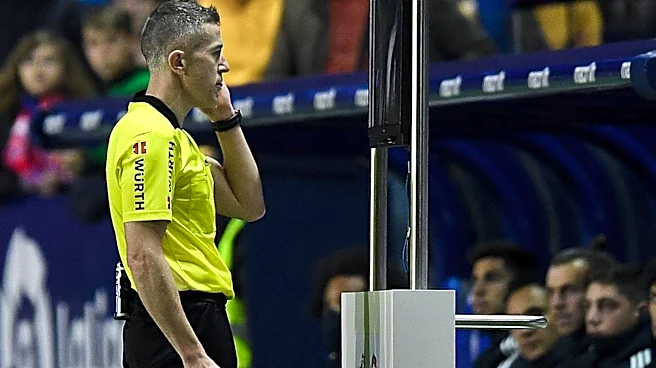
In a low-scoring sport, a single penalty kick can decide a championship. Players dive because the reward—a potential game-winning free kick or penalty—often outweighs the risk of getting a yellow card for unsporting behavior. It's a calculated deception designed to fool the one person on the field who can be fooled: the referee. While video review (VAR) has tried to curb the most egregious flops, the incentive to 'sell' a foul remains a core part of the game's high-stakes drama.
The Tactical 'Good' Foul
Not all fouls are created equal. While a reckless, two-footed lunge is just bad news, the tactical foul is a more subtle, almost respected, piece of gamesmanship. Picture this: your team loses the ball and the opponent launches a blistering counter-attack. Your defense is out of position. The solution? A discreet tug of a jersey or a minor trip around midfield. The foul isn't meant to injure; it's a strategic move to halt the opponent's momentum, break the rhythm of their attack, and allow your team to reset its defensive shape. It often earns a yellow card, but coaches and players will tell you it's a price worth paying to prevent a clear goal-scoring opportunity.
Mastering the Art of Wasting Time
When your team is clinging to a one-goal lead with minutes to go, the clock becomes your enemy—unless you know how to master it. Time-wasting is a classic dark art with a rich playbook. A goalkeeper might take an eternity to take a goal kick, slowly adjusting the ball, or walking to the far side of the box. A player taking a throw-in will suddenly become incredibly picky about which ball to use. Players feign injuries, only to miraculously recover once precious seconds have been shaved off the clock. This tactic is infuriating for the trailing team and its fans, but it's a recognized strategy for seeing out a result. Officials may add stoppage time to compensate, but the disruption of flow is often the real prize.
Psychological Warfare and Provocation
The battle isn't just physical; it's mental. The dark arts extend to getting inside an opponent's head. This can range from subtle trash-talk to provoke a reaction, to surrounding the referee to influence a decision. This 'referee lobbying' is designed to apply psychological pressure, hoping to sway the next 50/50 call. Another tactic is provocation, where a player might engage in minor, off-the-ball irritations—a slight push, an unnecessary word—hoping to bait a key opponent into a retaliatory act that earns them a yellow or red card. It’s a game of emotional chess, pushing the boundaries of sportsmanship to gain a mental edge.
Bending the Rules on Set Pieces
Free kicks and corner kicks are golden opportunities, and players employ a host of tricks to maximize their chances. When defending a free kick, you'll see the 'wall' of players creep forward, trying to inch closer to the ball to block the shot. On the attacking side, players might subtly screen or block the goalkeeper, impeding their movement without committing an obvious foul. These minor infractions are hard for a single referee to police and can be the difference between a routine set piece and a game-changing goal. They aren't explicitly illegal in the way a handball is, but they exist in the gray area where the most cynical and savvy teams thrive.