



The Psychology of the Price Tag
We’ve all been conditioned to believe that you get what you pay for. In many areas of life, that holds true. When it comes to fashion, however, that logic is increasingly flawed. Luxury brands have spent decades building an aura of exclusivity, superior
craftsmanship, and heritage. As a result, consumers often equate a high price not just with style, but with tangible quality—a garment that will last for years. This perception is powerful, but it’s often more about marketing than manufacturing. Brands are selling a story, a status, and a feeling of exclusivity. The actual product, while part of that package, may not always be the star of the show. This gap between perceived value and actual quality is where savvy shoppers can get burned.
Why Quality Has Slipped
The decline in designer quality isn't a simple story of greed; it's a systemic shift in the business of fashion. Over the last couple of decades, many heritage brands have been absorbed into large conglomerates focused on maximizing shareholder returns. This pressure, combined with the blistering pace set by fast fashion, has incentivized luxury houses to prioritize speed and volume over meticulous construction. Furthermore, brand licensing plays a huge role. A fashion house might lend its prestigious name to a third-party manufacturer for a line of accessories, fragrances, or a diffusion line of clothing. While this expands brand awareness and revenue, it often means the original house has less control over quality, leading to inconsistencies that can tarnish the main brand's reputation.
How to Spot a Well-Made Garment
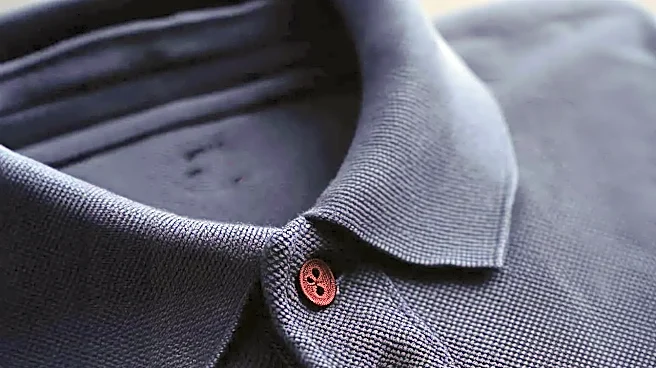
Forget the label for a moment and become a detective. The clues to good construction are right there in your hands. First, feel the fabric. Quality material feels substantial and dense for its type; a high GSM (grams per square meter) is a good indicator for fabrics like cotton. Crumple a corner in your hand—if it creases heavily and doesn't bounce back, it may age poorly. Next, inspect the seams. Are they straight, even, and tight? Gently pull at a seam; if you can see a lot of daylight between the stitches, it’s a sign of a low stitch count, which means it’s more likely to come apart. Look inside the garment for clean finishes. Messy threads, raw fabric edges, and puckering along the seams are red flags. Finally, check the details. Buttons, zippers, and other hardware should feel sturdy, not flimsy or plastic-y.
Pattern Matching and Other Pro Moves
Once you've mastered the basics, you can look for more advanced signs of quality. On a patterned garment, like one with stripes or plaid, check if the pattern lines up at the seams. Aligning patterns requires more fabric and more skill from the sewer, so it's a shortcut manufacturers often take on lower-quality pieces. Also, check for a generous seam allowance or hem. Higher-end clothes sometimes leave extra fabric inside so the garment can be tailored, a thoughtful detail often absent in quickly made items. Look at the overall symmetry and drape of the piece on a hanger; a well-cut garment will look balanced and hang naturally without twisting.