



Why Your Feed Secretly Runs Your Wardrobe
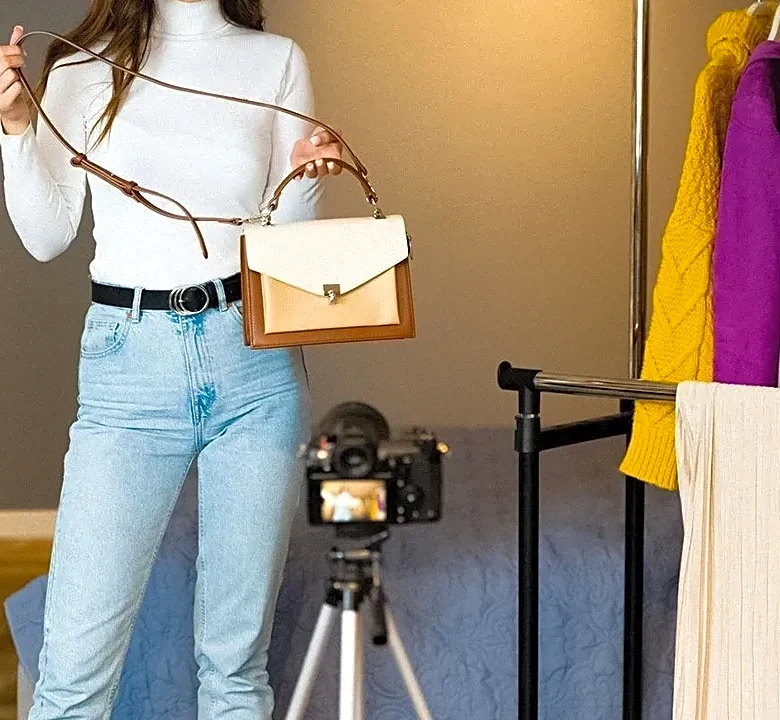
Fashion brands and influencers have perfected the art of making you feel like you need something new, right now. They leverage social proof, where seeing others with a product makes it more attractive, and the fear of missing out (FOMO) with limited-time
offers and exclusive drops. This creates a powerful psychological trigger for impulse buying. Research shows that a huge percentage of consumers trust influencer recommendations and have purchased something after seeing it on social media. The curated, 'authentic' feel of this marketing fosters a sense of trust, making it far more persuasive than traditional advertising. The goal of this experiment is to step back from that influence and see what desires remain when the marketing pressure is off.
The 7-Day Experiment: A Step-by-Step Guide
The setup is simple. For one week, mute or unfollow all fashion-related accounts. This includes brands, influencers, and even magazines. The goal isn't a permanent boycott, but a temporary 'digital detox' to reset your habits. Turn off notifications for shopping apps and remove any saved credit card information to add a layer of 'friction' to the buying process. This pause is crucial. When you see something you think you want during this week (perhaps on a stranger or in a movie), don't search for it online. Instead, grab a notebook or open a new note on your phone. This will become your 'Desire Log.'
Creating and Using Your 'Desire Log'
Your Desire Log is the core of this experiment. Whenever an item comes to mind, write it down with a little context. Instead of just 'black boots', try 'comfortable, low-heeled black boots to wear with jeans and dresses'. Add a date. This simple act of writing it down instead of immediately shopping serves as a 'power pause'. It separates the initial emotional urge from a genuine need. At this stage, do not look up prices or browse stores. The only task is to log the item that your brain generates on its own, free from the direct influence of a marketing campaign or a sponsored post.
The Post-Detox Analysis: What Did You Actually Want?
After seven days, it's time to review your Desire Log. Look at the list you’ve compiled. How many of the items do you still feel a strong pull toward? You'll likely find that many of the 'wants' were fleeting urges that have now dissipated. For the items that still resonate, you can begin your research more mindfully. This list, created without the pressure of an algorithm, is a clearer reflection of your actual style and wardrobe gaps. The items that remain are candidates for a true, intentional wish list, not just a reaction to a well-crafted ad.
Rebuilding Your Feed with Intention
As you reintroduce fashion content into your life, do it consciously. You might decide not to re-follow every account. Keep the ones that offer genuine inspiration or information that aligns with the personal style you've started to uncover. Consider following stylists who teach you how to work with what you already own or creators focused on cost-per-wear and wardrobe longevity. The goal is not to stop enjoying fashion, but to shift from being a passive consumer of trends to an active curator of your own closet. Use social media as a tool for inspiration, not a trigger for spending.