
The Era of Uniformity
In the WNBA’s early days, the focus was squarely on the court. The league, founded in 1996, needed to establish its legitimacy through the grit and talent of its players. Fashion was an afterthought. For the first decade, player arrivals at events like
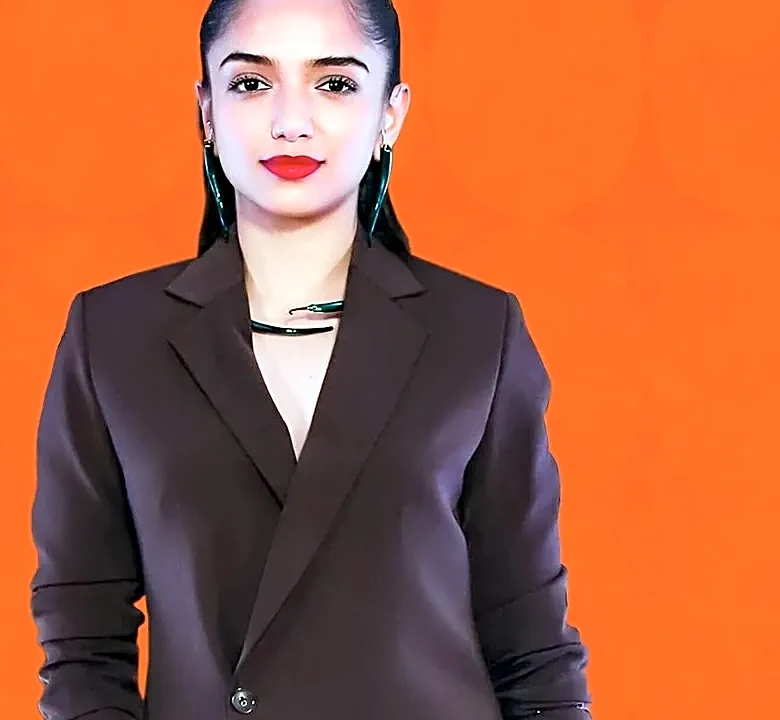
the All-Star Game were defined by function over form. Players wore team-issued tracksuits, warm-up jackets, and jerseys. While pioneers like Lisa Leslie, who famously played with her makeup done, and Sheryl Swoopes, who inked the first female athlete sneaker deal with Nike, signaled an interest in style, the overall aesthetic was one of corporate uniformity. The look was often described as business casual, with slacks and simple blazers dominating events like the WNBA Draft. The priority for players was keeping their jobs and proving the league was here to stay, not cultivating a personal brand through clothing.
The Rise of Individual Expression
The mid-2000s and 2010s saw a gradual shift. Players like Skylar Diggins-Smith and Cappie Pondexter began to garner attention for their off-court style, bringing a new level of fashion consciousness to the league. Diggins-Smith, in particular, was noted for using the arena tunnel as a personal runway long before it was a documented phenomenon. This period also saw players like Brittney Griner make headlines with trailblazing draft-day looks, such as her monochromatic ivory suit in 2013, which embraced a masculine style that was new for the league's public image. This growing emphasis on individuality mirrored the league’s own fight for greater recognition. As players gained more visibility, they began to use fashion as a tool for self-expression, showing fans who they were beyond the jersey. The diversity of styles started to reflect the diversity of the players themselves, from feminine to androgynous and everything in between.
The Tunnel Becomes the Runway
The single biggest catalyst for the WNBA's fashion boom was the formalization of the “tunnel walk.” Borrowed from the NBA, where it had become a pre-game spectacle, the tunnel walk transformed the concrete corridors of arenas into a veritable catwalk. With team and media social accounts dedicated to capturing every arrival, players began treating this short walk as a prime opportunity for personal branding. Stylists entered the picture, meticulously planning outfits days in advance. The newfound attention brought sponsorship opportunities that went beyond sneakers. Now, a player’s style could directly translate into endorsement deals with fashion and beauty brands, providing crucial income to supplement their WNBA salaries. The tunnel walk is no longer just a walk; it’s a social media phenomenon and a critical part of a player's career.
High Fashion and Luxury Collide
Today, WNBA All-Star and Draft fashion rivals that of Hollywood red carpets. It’s an era defined by direct partnerships between players, stylists, and the world’s biggest luxury houses. Brands like Prada, Gucci, Fendi, and Louis Vuitton are no longer just loaning clothes; they're signing players to major deals. In 2025, Coach became the official handbag partner of the WNBA, sponsoring draftees on the orange carpet. This year's All-Star Game in Chicago saw players like A'ja Wilson in Di Petsa and Kelsey Plum in custom Alexander Wang, looks that were immediately analyzed by fashion media. The 2026 WNBA Draft was dubbed “basketball's Met Gala,” with rookies like Azzi Fudd and Flau'jae Johnson arriving in custom gowns from Coach and Bent Kahina, respectively. This evolution from warm-up jackets to luxury collaborations is the clearest visual evidence of the WNBA's cultural ascendancy. The players are not just athletes; they are style icons, savvy businesswomen, and cultural forces shaping what’s next in both sports and fashion.