


The Stage for Sartorial Spectacle
First, a quick primer for the uninitiated. Pitti Uomo is not your average convention. Held in a 16th-century fortress, it’s where designers, buyers, editors, and influencers gather to see and be seen. For the past decade, its unofficial uniform was peacocking.
The “Pitti Peacocks,” as they were dubbed, were known for loud colors, clashing patterns, and an obsessive embrace of streetwear. It was a race to see who could wear the most hyped sneakers, the rarest collaboration, or the most outlandish ensemble for the flock of street-style photographers waiting outside. This was menswear at its most playful, democratic, and, some would argue, chaotic. The suit was still present, but it was often deconstructed, worn with Virgil Abloh-designed Nikes, or abandoned entirely for a luxury tracksuit.
The Quiet Return of the Suit
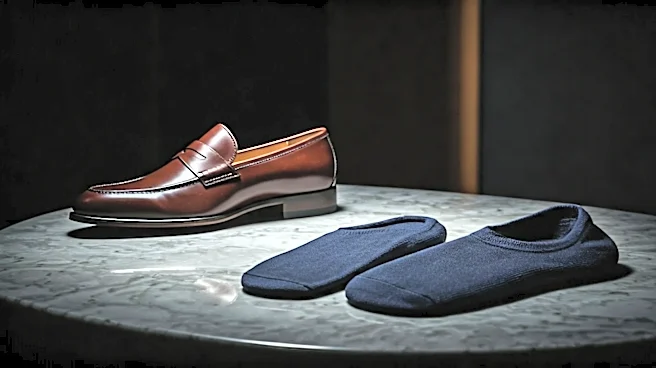
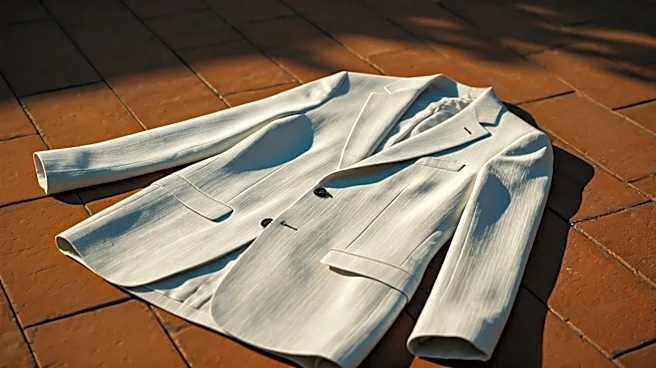
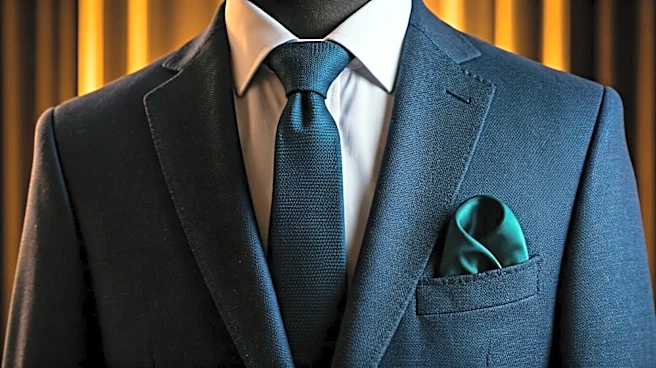
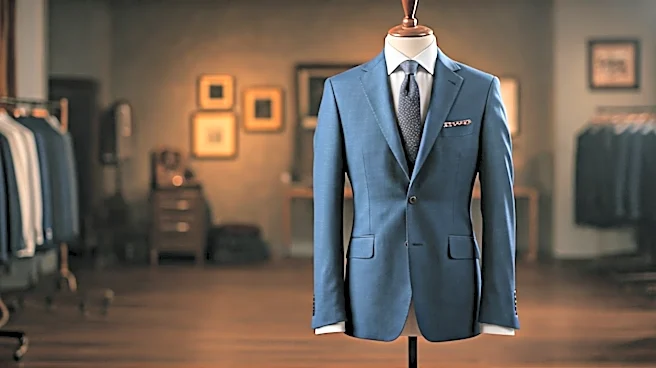
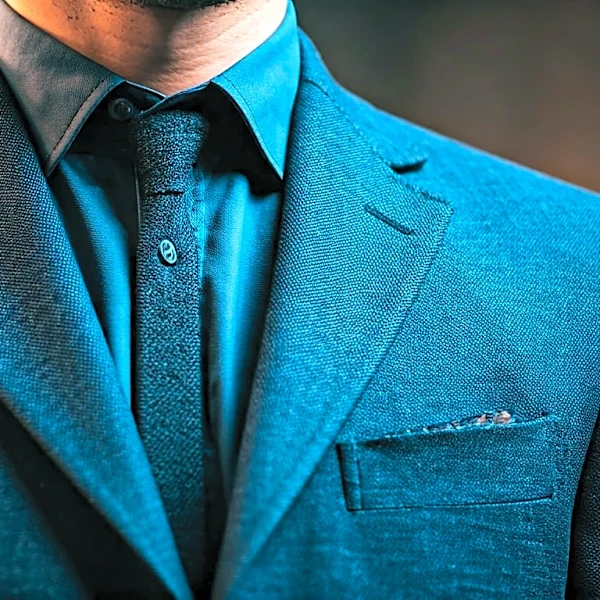
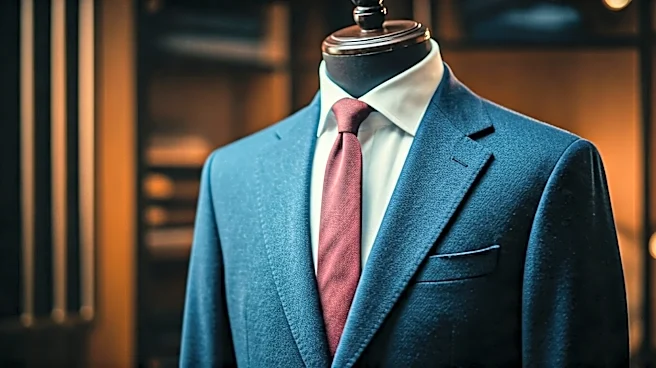
But in the last few seasons, the pendulum has swung—hard. The boisterous spectacle has quieted down. In its place is a return to what insiders call “classic menswear codes.” Think impeccably tailored suits, soft-shouldered Neapolitan jackets, crisp button-downs, polished loafers, and the subtle art of Italian *sprezzatura*—a studied carelessness that makes elegance look effortless. The peacocks haven't vanished, but they’re now outnumbered by men who look like they’ve stepped out of a 1960s Fellini film. This isn’t just a Pitti phenomenon; it mirrors the broader “quiet luxury” trend seen everywhere from HBO’s *Succession* to the sales floors of Brunello Cucinelli. After years of shouting with logos, style is now whispering with fabric, fit, and timeless craftsmanship.
A Tale of Two Generations
Here’s where the debate ignites. For one generation—largely the old guard of tailors, legacy brand enthusiasts, and men who came of age revering Cary Grant—this is a welcome correction. They see the return to tailoring as a return to form, a reassertion of quality and adult sophistication after a decade-long dalliance with adolescent hype. To them, a well-made suit is the pinnacle of masculine expression, a symbol of stability and respect. But for a younger generation, this backward glance feels like a retreat. For them, fashion’s most exciting developments over the past decade were its embrace of diversity, gender fluidity, and the cultural legitimacy of streetwear. They see the rigid codes of classic menswear as exclusionary and stuffy—a uniform of a bygone, more homogenous era. To them, a uniform isn’t freedom; it's a cage. They ask: In a world where men can wear skirts, pearls, and anything else they please, why would we voluntarily go back to just a suit?
More Than a Fight Over Lapels
This generational clash isn’t just about aesthetics; it’s a proxy war over the meaning of masculinity and the purpose of getting dressed. Is the goal to belong to a tradition, telegraphing a certain kind of respectable, old-world power? Or is it to express a unique, individual identity, free from the constraints of the past? The return to classics can be read as a search for stability in uncertain economic times—a flight to the safety of a “timeless investment” piece. Conversely, the continued push for boundary-breaking style can be seen as a refusal to let go of progress, an insistence that fashion’s role is to look forward, not back. The debate reveals what’s at stake in how men choose to present themselves. It’s a conversation about whether the ideal man is one who masters the rules or one who bravely ignores them.