



The Old Way: Hide the Shark
The classic 'less is more' approach was immortalized by Steven Spielberg's 1975 blockbuster, Jaws. Famously, the mechanical shark (nicknamed Bruce) was a production nightmare, constantly malfunctioning. This forced Spielberg to rely on composer John Williams's
iconic score, clever point-of-view shots, and the reactions of the actors to build terror. The shark itself is barely seen for the first hour and twenty minutes of the film. This happy accident became gospel. The scariest monster, the logic went, is the one you can't see. It worked because it weaponized our own imagination, letting us conjure a terror far worse than any practical effect. For a long time, this was the undisputed playbook for creature features, a masterclass in tension and suspense.
The New Problem: The Attention Economy
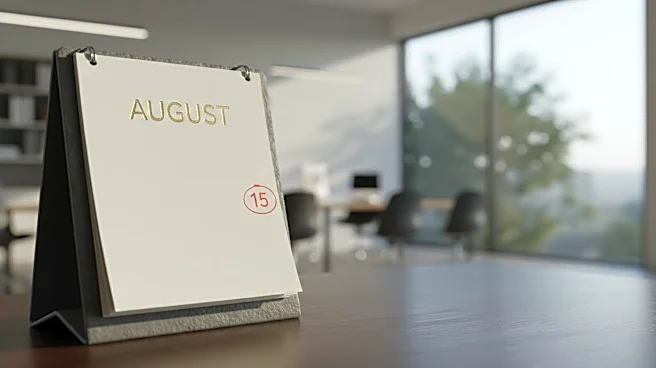
Today, a new TV show isn't just competing with other shows; it's competing with TikTok, video games, podcasts, and the endless scroll. This is especially true in late summer. An August premiere lands in a strange television limbo—sandwiched between summer hits and the impending onslaught of the fall season. In this environment, a slow burn is a huge gamble. Viewers have little patience for a story that takes too long to reveal its central premise. Asking an audience to wait eight episodes for a monster reveal is a luxury most new shows simply can't afford. You have to give them a reason to stick around from minute one, a hook so compelling it stops them from switching to something else.
From Mystery to Problem-Solving
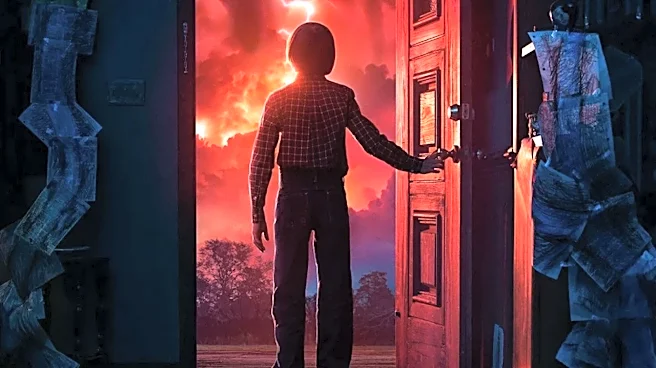
This is where the early reveal becomes a power move. Take a show like MGM+'s From, where anyone who enters a mysterious town finds themselves trapped. The terrifying, humanoid monsters that hunt by night aren't a secret; they are a known, visible threat from the very beginning. The story isn’t 'What are these creatures?' but 'How do you survive them?' The same can be said for Stranger Things. The Demogorgon makes its presence known early in the first season, establishing the stakes immediately. By revealing the monster, the writers shift the narrative focus from a simple mystery to a complex problem. The horror becomes about the characters' strategy, their crumbling social order, and the psychological toll of living under a constant, known threat. The monster isn't the destination; it's the catalyst.
Confidence Is the New Suspense
Showing your monster on day one is an act of supreme confidence. It tells the audience, 'The creature isn't our only trick.' It signals that the showrunners believe their world-building, characters, and plot are strong enough to sustain interest long after the initial shock wears off. The horror is no longer rooted in a cheap jump scare but in something more profound: the implications of the monster's existence. In a show like From, the true horror isn't just the creatures themselves, but the paranoia and despair they breed within the trapped community. This approach replaces the suspense of the unknown with the dread of the inevitable, which can be far more unsettling. It’s a declaration that the story is about what the monster represents, not just what it looks like.