


The Versatile Staple: Cotton Twill
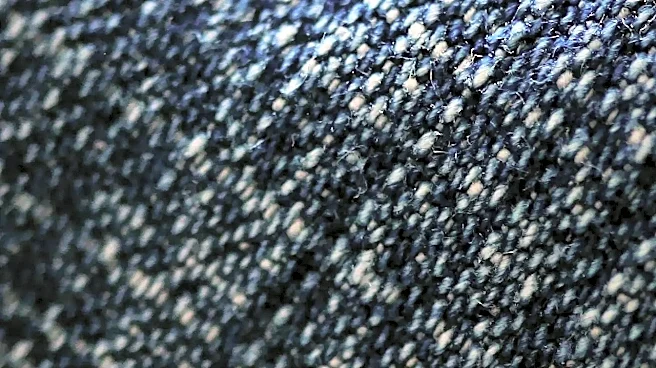
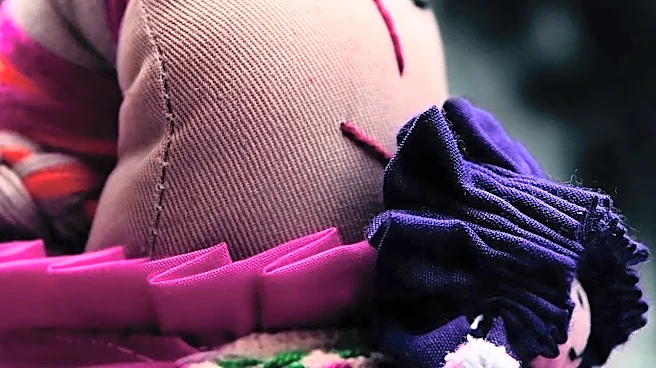
If you own a pair of chinos, you're already familiar with cotton twill. This fabric is defined by its distinctive diagonal rib pattern, a weave that gives it a unique combination of qualities. Unlike the simple over-under grid of a plain weave, the twill structure
allows the fabric to drape more softly and feel more flexible against the body. This makes it an ideal middle-ground material—more structured and durable than a simple cotton poplin, but less rigid than heavy-duty canvas. For outerwear, this translates to versatile pieces like lightweight chore coats, overshirts, or 'shackets' that move with you. It doesn't require a 'break-in' period and resists wrinkles better than many other cottons, making it a reliable choice for everyday wear. While it offers moderate wind resistance due to its relatively dense weave, it remains breathable, positioning it as a perfect fabric for transitional seasons.
The Rugged Workhorse: Canvas
Canvas is all about durability. Traditionally used for everything from ship sails to artist's surfaces, this fabric is known for its incredible strength and resilience. It's a plain-weave fabric, meaning its threads form a simple, tight crisscross pattern that makes it exceptionally tough and resistant to abrasion. When you think of classic workwear jackets from brands like Carhartt, you're thinking of canvas. This material is heavier and stiffer than twill, giving garments a structured, boxy silhouette that holds its shape. While that initial stiffness can require a break-in period, canvas ages beautifully, softening over time and developing a unique patina. Its dense construction provides natural wind resistance, and it's often waxed or treated to become water-repellent, making it a go-to for field jackets and heavy-duty outerwear meant to withstand the elements.
The Sleek Protector: Gabardine
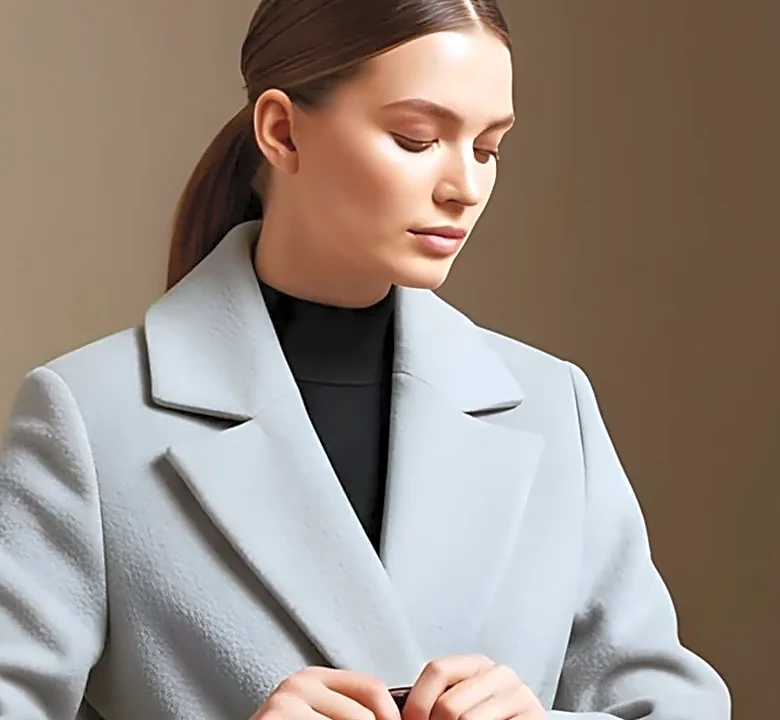
Gabardine is the most refined of the three, a tightly woven twill invented by Thomas Burberry in the late 19th century as a breathable, weather-repellent alternative to heavier raincoats. It's a type of twill, but its diagonal ribs are much finer, steeper, and more densely packed. This high-density weave gives the fabric a smooth, firm surface that naturally repels water and resists wind far better than standard twill. In fact, untreated worsted gabardine can withstand significantly more water pressure than cotton twill. Because of its smooth finish and ability to hold a sharp crease, gabardine has a more formal, polished appearance. This makes it the quintessential fabric for classic trench coats, tailored blazers, and smart trousers. While originally made of wool, cotton gabardine offers a lighter, crisper option perfect for structured outerwear that needs to look sharp while offering protection.
How to Choose the Right Fabric
So, which one is right for you? Your choice ultimately depends on your priorities. For everyday versatility and comfort in a lighter jacket or overshirt, cotton twill is the perfect allerounder, balancing softness with structure. If you need maximum durability and a rugged aesthetic for a jacket that will endure hard work and harsh conditions, canvas is the undisputed champion. It’s built to last and only gets better with age. But if you’re looking for a polished, weather-resistant coat with a clean silhouette, like a classic trench, gabardine offers a sleek and functional elegance that the other two can't match. Think of it this way: twill is for daily comfort, canvas is for tough utility, and gabardine is for sharp, protective style.