






The Rise of Wearable Sculptures
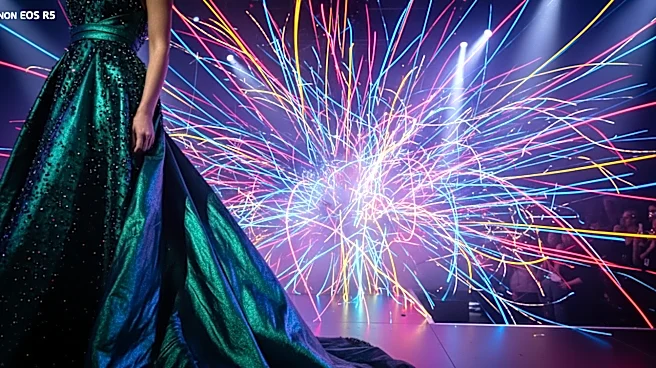
First, let’s talk about the clothes. Recent haute couture collections have seen designers treat the human body as a canvas for breathtaking, architectural creations. Houses like Schiaparelli, Iris van Herpen, and Balenciaga are sending models down the runway
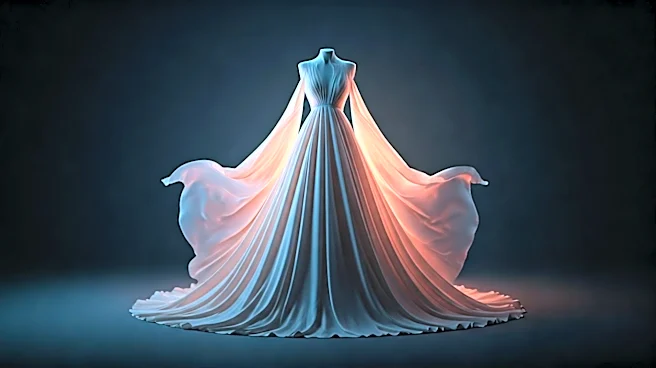
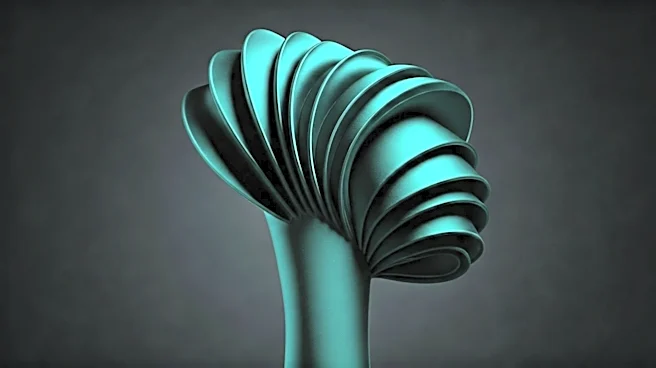
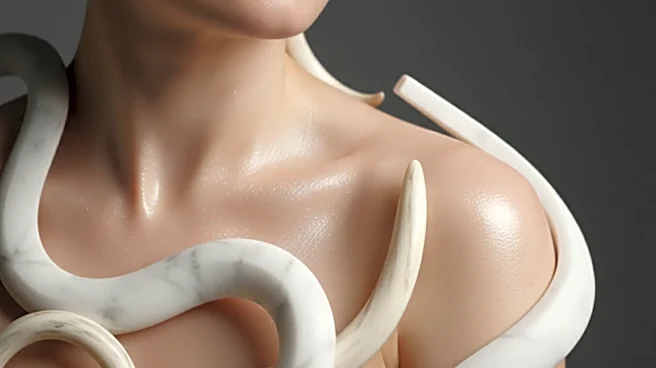
in garments that defy gravity and convention. These are not simple dresses; they are wearable sculptures. Think of dramatic, molded bodices, silhouettes that stand away from the body in strong, geometric lines, and innovative materials like silicone, latex, and 3D-printed structures that create forms previously thought impossible. Schiaparelli's Daniel Roseberry, for example, has explored using materials from ateliers that create hyper-realistic cinematic props to build skin-like silicone forms. Iris van Herpen consistently merges technology and nature, creating flowing, otherworldly structures that ripple with movement. This isn't just about big shapes; it's a statement on strength, artistry, and a futuristic vision of fashion. The clothes are the main event, a form of high art designed to command attention.
Enter: Pearl Skin
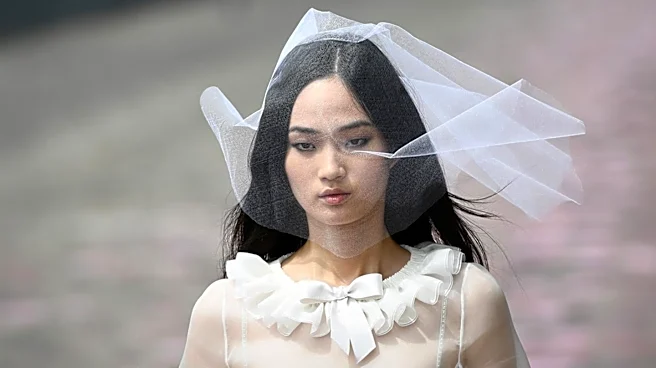
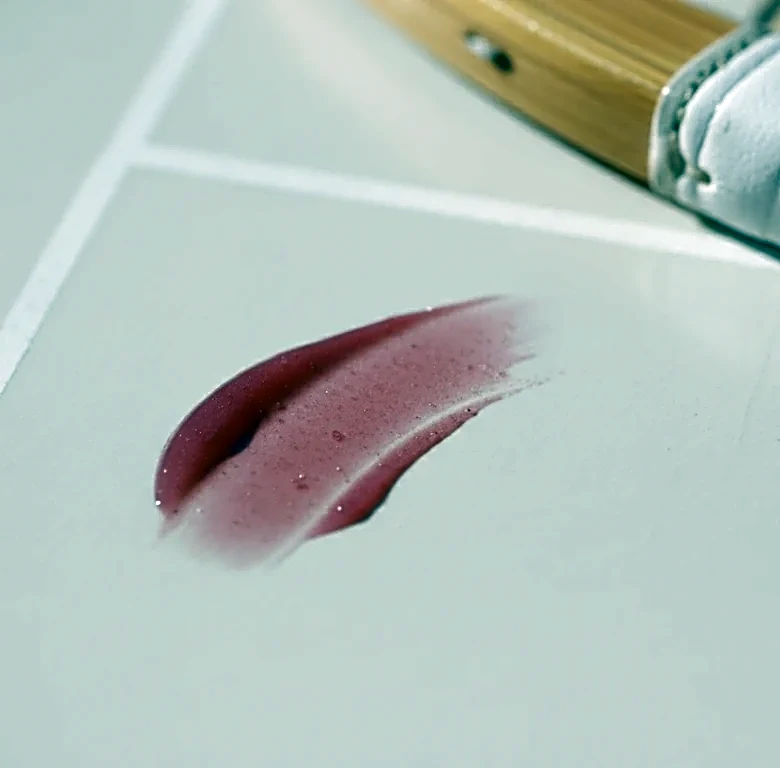
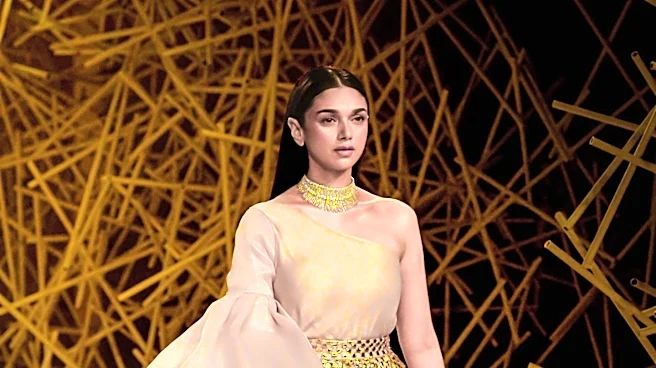
So, how does makeup coexist with a dress that pulses with light or a bodice molded from a single, surreal form? By stepping back. This is where “pearl skin” comes in. Unlike the wet-look “glass skin” trend, which aimed for an all-over dewy finish, pearl skin is more strategic and refined. It's about creating a soft, lit-from-within luminosity that mimics the subtle, iridescent sheen of a pearl. The trend utilizes skincare as a foundation, but relies on cream and liquid makeup—light-coverage foundations, and pearlescent highlighters—to catch the light on specific high points of the face: the cheekbones, the inner corner of the eyes, the cupid's bow. The result isn't glittery or oily, but a sophisticated, satiny glow. As seen on the runways for Schiaparelli and Dior, legendary makeup artists like Pat McGrath and Peter Philips have championed this luminous, fresh-faced look, often paired with minimal other makeup to let the skin be the focus.
A Partnership of Balance
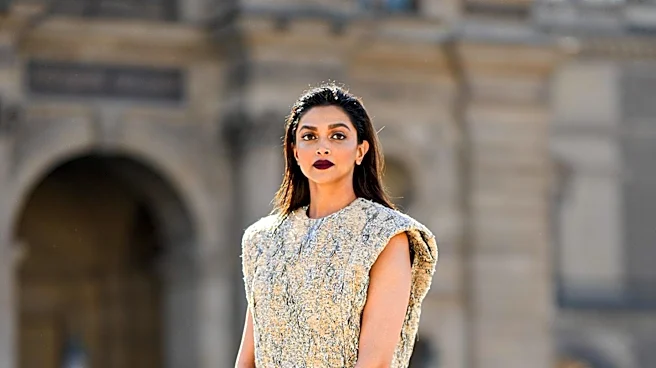
The pairing of these two trends is a masterclass in balance. When a garment is a complex, three-dimensional sculpture, a busy or dramatic makeup look would create chaos, competing for attention. Instead, pearl skin acts as the perfect, elegant counterpoint. It grounds the fantastical fashion in a serene, human glow. By keeping the complexion radiant but restrained, the face becomes a tranquil canvas that allows the artistry of the couture to take center stage. Makeup artist François Nars once said, "Treat your makeup like jewelry for the face," but in this context, the skin is more like the gallery wall on which the art—the clothing—is hung. The luminous skin at recent Schiaparelli and Elie Saab shows provided a soft, natural canvas that allowed the intricate couture pieces to shine without distraction. This deliberate duality communicates confidence; it suggests the wearer is inhabiting the statement piece, not being consumed by it.
From the Runway to Reality
While most of us aren't wearing sculptural couture to the office, the principle behind this pairing is trickling down to everyday style. The core idea is about intentionality and balance in your overall look. On a smaller scale, this might mean pairing a statement necklace or a dramatically ruffled blouse with a clean, glowing complexion. The pearl skin trend itself is highly accessible. It’s a move away from heavy contouring and matte finishes, and toward embracing a more natural, radiant version of your own skin. It focuses on health, hydration, and the strategic use of light-reflecting products. As celebrities and influencers continue to embrace the look, it reinforces a broader shift in beauty: the idea that the most powerful makeup is often that which enhances, rather than masks, allowing both your skin and your style to shine on their own terms.