




A New Holiday, a New Battlefield
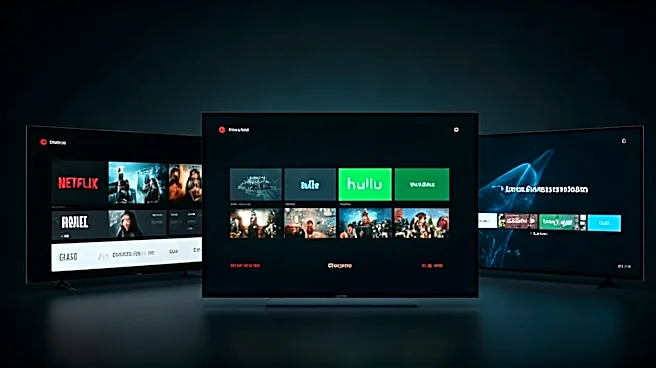
In the hyper-competitive streaming landscape, differentiation is everything. Beyond massive libraries and star-studded originals, services like Netflix, Hulu, and Max are constantly trying to define what they stand for. Are they the home for prestige
drama? Edgy comedy? Comfort viewing? When Juneteenth entered the national consciousness in a new way, it presented both an opportunity and a minefield. Suddenly, every major platform had to have a strategy for June 19th. Ignoring it would seem tone-deaf, but handling it poorly could trigger a backlash of accusations of performative allyship. This wasn't just about adding a few titles to a carousel; it was about communicating corporate values in a marketplace where consumers, especially younger ones, increasingly expect brands to have a point of view.
The Authenticity Tightrope
The central challenge for streamers was authenticity. Audiences have a finely tuned radar for cynical marketing, and slapping a “Juneteenth” label on a random collection of Black-led films wasn't going to cut it. The efforts that succeeded were those that felt curated with intent and respect. Netflix, for example, leaned into its acclaimed food and travel series “High on the Hog: How African American Cuisine Transformed America,” a show that inherently explores history, resilience, and cultural contribution. Its connection to Juneteenth felt organic and educational. In contrast, initiatives that felt hastily assembled or purely promotional were often met with online skepticism. The test was simple: Did the programming serve the audience and honor the holiday’s meaning, or did it primarily serve the streamer’s need to look engaged? The line between celebration and exploitation proved incredibly thin, and missteps were publicly and swiftly called out.
Curation vs. Creation
Two distinct strategies emerged. The first, and most common, was curation. Streamers created special content hubs or collections, like Hulu’s “Black Stories Always” hub, which highlighted existing movies, documentaries, and TV series. This approach is efficient and leverages a platform's existing library to frame it in a new context. It’s a way of saying, “We already invest in these stories, and here’s where you can find them.” The second, more ambitious strategy was creation. This involved commissioning or acquiring new, timely content. A prime example is CNN’s “Juneteenth: A Global Celebration for Freedom,” a star-studded concert special that aired on CNN and streamed on Max. This requires a much bigger investment of time and resources, sending a stronger signal of commitment. While curation demonstrates awareness, creation demonstrates a deeper level of investment, positioning the streamer not just as a distributor but as an active participant in the cultural conversation.
The Real ROI: Brand, Not Just Viewership
For Juneteenth programming, traditional metrics like viewership numbers tell only part of the story. The real return on investment (ROI) was in brand identity. Did the initiative strengthen the streamer’s relationship with Black audiences? Did it attract Black creators who felt the platform was a genuine partner? Did it generate positive press and social media buzz that painted the company as a thoughtful cultural steward? In the attention economy, goodwill and cultural relevance are valuable currencies. A well-executed Juneteenth slate could burnish a brand’s reputation for years, making it a more attractive home for both subscribers and top-tier talent. A clumsy one could do lasting damage, reinforcing perceptions of a corporation that’s out of touch. The test case of Juneteenth TV revealed that for modern media giants, what you program is who you are.