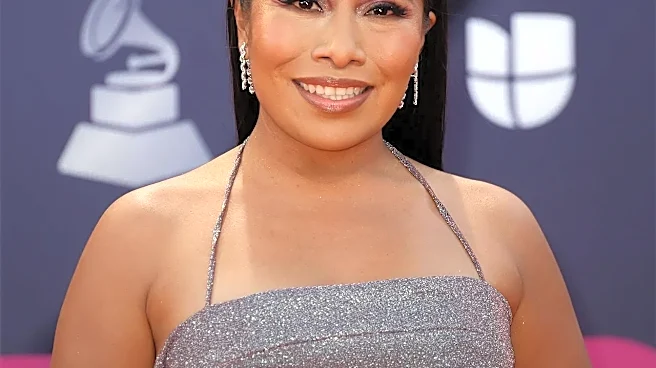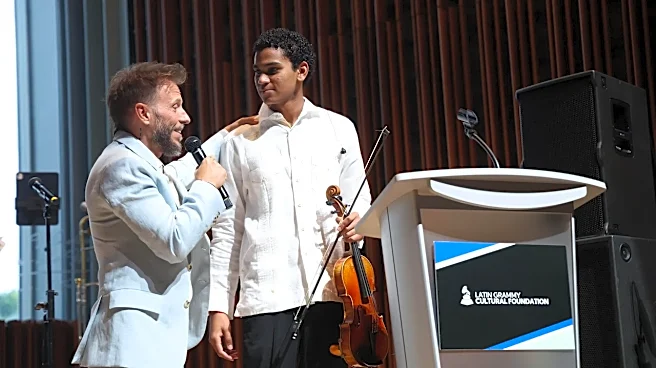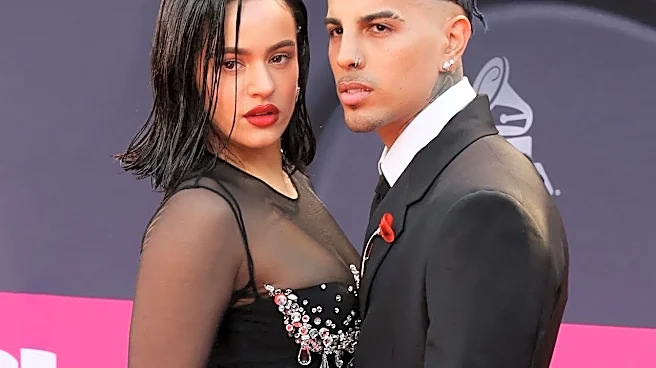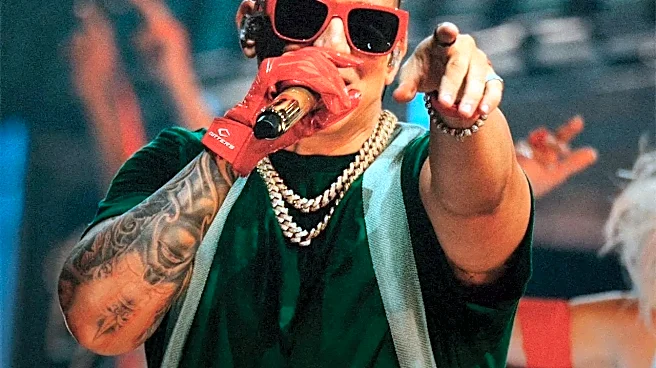




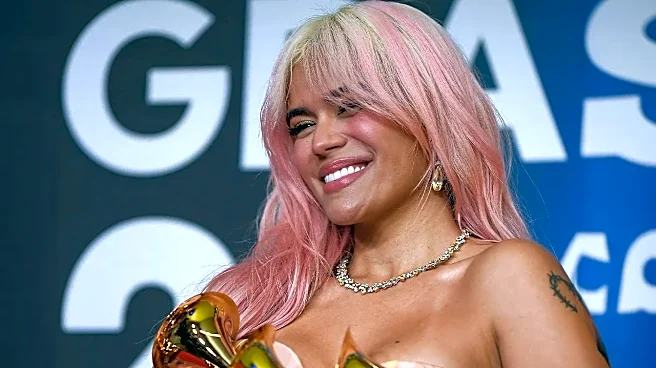

The 2026 Latin Grammys are shaping up to be more than an awards show; they're a snapshot of a genre at a fascinating crossroads. The 'King of Reggaeton' is being honored, while a new generation is dominating the nominations.
The King Takes His Crown
You can't talk about reggaeton
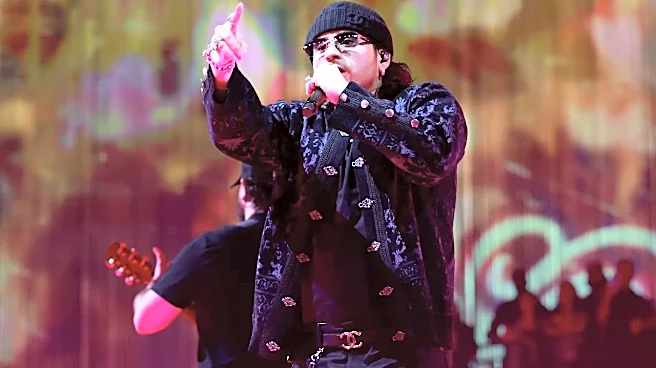
without talking about Daddy Yankee. Before 'Gasolina' became a global anthem in 2004, the genre was a largely underground movement in Puerto Rico. He didn't just score a hit; he kicked the door open for a worldwide cultural explosion. This year, the Latin Recording Academy is formally acknowledging that legacy by naming him the 2026 Person of the Year. The honor recognizes his nearly three-decade career and his role in making Spanish-language urban music a global force. As he performs during the ceremony, it serves as both a victory lap for a pioneer who announced his retirement in 2022 and a powerful reminder of the foundation upon which today's scene is built.
The New Guard Is Here
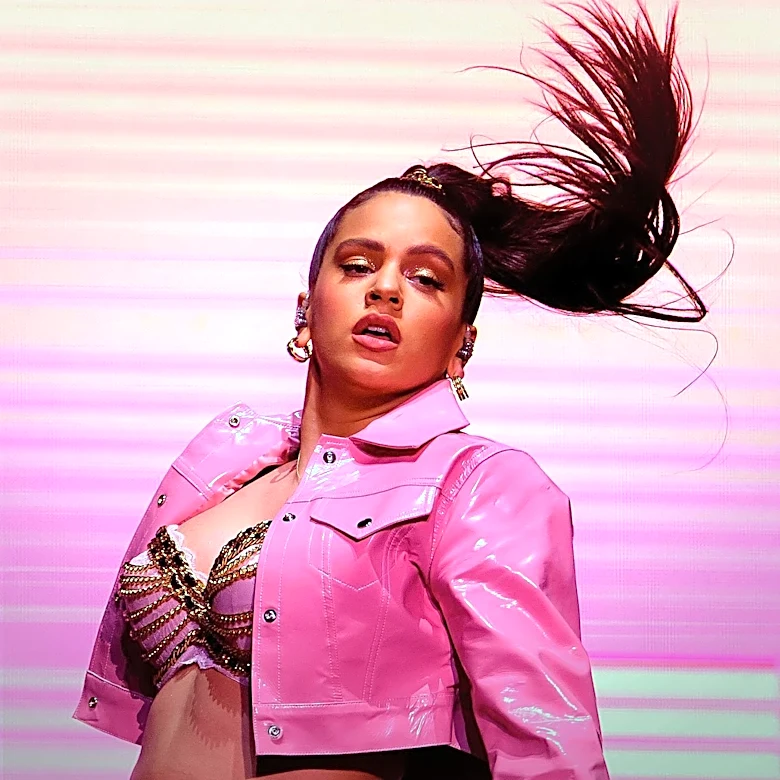
While Daddy Yankee receives his lifetime achievement honor, the main categories are packed with the genre's new royalty. Artists like Colombia's Karol G and Feid, Argentina's Milo J, and Spain's Rosalía are not just nominated; they are leading the pack. Karol G scored seven nominations, including Album of the Year for 'Tropicoqueta' and Best Reggaeton Performance for her collaboration with Feid. Feid also picked up multiple nods for his own work, solidifying his spot as a major force. Meanwhile, younger artists like Milo J, Ryan Castro, and Bad Gyal are all competing in major urban categories, showcasing the depth of the current talent pool. These artists grew up on the music that pioneers like Yankee created, but they are twisting it into new shapes, blending it with trap, pop, and electronic sounds.
It’s a Shared Stage, Not a Battle
It’s easy to frame this as a 'passing of the torch' moment, but that misses the bigger picture. The 2026 nominations show a healthy ecosystem where legacy and innovation coexist. Daddy Yankee isn't just a historical figure; he's also nominated for his recent Bizarrap session, proving he's still a relevant creative force. At the same time, the success of today's stars reinforces the importance of the path he cleared. This dynamic is playing out across the nominations. For instance, J Balvin, part of the generation that followed Yankee, is nominated for a collaborative album with rising star Ryan Castro. This isn't about old vs. new; it's about a multi-generational movement that has become so dominant that it has room for everyone.
What This Moment Says About a Global Genre
The 27th Annual Latin Grammys feel like a celebration of the genre's complete story. The Person of the Year tribute to Daddy Yankee provides the historical context, honoring the grit and vision it took to turn a local sound into a global phenomenon. The nominations for artists like Karol G, Feid, and a diverse class of newcomers show the vibrant, multi-faceted present and future. They are artists from different countries, with distinct sounds, proving that reggaeton and Latin urban music are no longer monolithic. The genre is constantly evolving, absorbing new influences and creating new superstars. This year's ceremony isn't crowning a single winner; it's showcasing the power and diversity of the entire Latin urban universe.