



The Foundation: A Warm Color Palette
The most immediate signal of a “fall movie” is its color. Cinematographers and colorists—the artists who digitally refine a film’s color in post-production—lean heavily into a palette of warm, earthy tones. They meticulously dial up the golds, oranges,
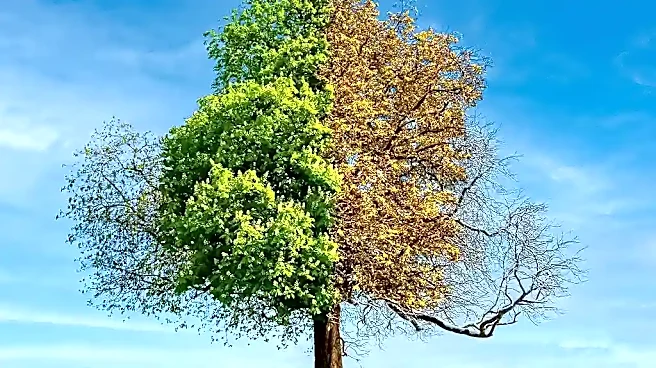
deep reds, and browns that we associate with changing leaves and fireside chats. This is often achieved through a process called color grading, where software like DaVinci Resolve or Adobe Premiere Pro is used to shift the film’s hues away from the cool blues and vibrant greens of summer. In films like When Harry Met Sally or Good Will Hunting, the entire world seems steeped in a honeyed glow. This isn't just about making things look pretty; warm colors evoke feelings of nostalgia, comfort, and sometimes a gentle melancholy, perfectly aligning with themes of change and introspection common in autumn stories.
Chasing the Golden Hour
Light is the cinematographer’s paint, and for fall, the most coveted pigment is the “golden hour.” This is the period shortly after sunrise and just before sunset when the sun is low in the sky, casting a soft, warm, diffused light. This natural effect wraps characters and landscapes in a flattering, almost magical glow, minimizing harsh shadows and enhancing the warm color palette. Of course, a film shoot can’t be limited to only two hours a day. To recreate this effect, cinematographers become masters of artificial sun. They use powerful lights, often pushed through large diffusion frames and modified with warm-toned gels, to mimic that low-angle, gentle sunlight at any time of day. This technique ensures that even a scene shot at high noon can have the intimate, cozy feel of a late autumn afternoon.
Creating Texture and Atmosphere
Fall isn’t just a look; it’s a feeling. It’s the crisp air, the misty morning, and the cozy texture of a wool coat. Cinematographers translate these feelings into visuals. One key tool is the use of atmospheric haze or fog. By lightly misting a set, they give light something to catch and cling to, making sunbeams visible and adding a tangible sense of depth and mood. This soft texture in the air can make a scene feel dreamier and more romantic or, in a different context, more mysterious. Lens choice also plays a huge role. Anamorphic lenses, for example, are famous for creating distinctive oval-shaped bokeh (the pleasing blur in out-of-focus parts of the image) and horizontal lens flares that can add a layer of nostalgic, cinematic character to the frame. These elements combine to give the image a tactile quality, making the world on screen feel more immersive and real.
Working With What's There
Finally, great cinematography enhances the world that the production designers and costume designers build. The camera doesn't just passively record; it actively directs the audience's eye. A cinematographer might use a shallow depth of field to focus intensely on the intricate pattern of a character's knit sweater, the steam rising from a mug, or the crunch of a single leaf under a boot. These close-ups on seasonal details reinforce the autumn setting on a subconscious level. By choosing what to focus on and how to light it—perhaps using a soft backlight to make a character's breath visible in the chilly air—they collaborate with other departments to build a complete and convincing seasonal world. It's this partnership that transforms a collection of actors and props into a living, breathing autumn day.