

Storytelling Through Stuff
In a blockbuster, a sprawling set can communicate power or fantasy in an instant. In an independent film, the story is often told through much smaller, more intimate details. Production designers on these projects are master storytellers who use objects,
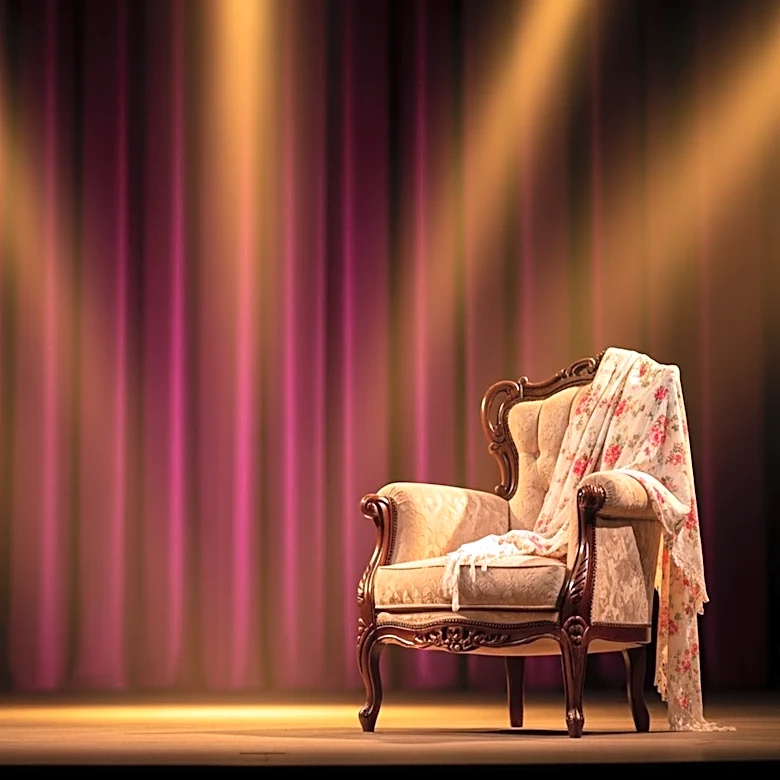
not just words, to build a world and reveal character. Think about the stack of unpaid bills on a kitchen counter, the specific brand of cheap beer in the fridge, or the worn-out armchair with a faded floral pattern. These aren’t just props; they are narrative clues. A character who collects vintage sci-fi paperbacks has a different inner life than one whose bookshelf holds only self-help guides. The production designer works with the director to embed a character’s history, personality, and economic status into their environment. Every item is a choice, and in the constrained space of an indie film, every choice has to count, adding a layer of subtext that dialogue alone can’t capture.
The Power of Imperfection
Real life is messy. Walls get scuffed, wood floors get scratched, and furniture rarely matches perfectly. While big-budget productions sometimes strive for a polished, hyper-real aesthetic, indie production designers know that authenticity lies in imperfection. The “lived-in” quality that makes the worlds of Tribeca Festival favorites feel so tangible comes from a deliberate embrace of flaws. It’s the peeling paint in a struggling artist’s studio, the water stain on a ceiling, or the tangle of mismatched charging cables by a bedside table. These details ground the film in a recognizable reality. They create a sense of history, suggesting that life happened in this space before the camera started rolling. This manufactured wear-and-tear makes the audience feel like they’re a fly on the wall in a real place, not a visitor to a pristine film set, allowing for a deeper emotional connection to the characters and their struggles.
Budget as a Creative Engine
While a nine-figure budget can buy almost any reality, a shoestring budget forces ingenuity. For an indie production designer, limitations aren’t just a challenge; they are a creative engine. Instead of building a set from scratch, they might find the perfect, slightly rundown apartment and dress it meticulously. They become experts at sourcing items from thrift stores, flea markets, and even their own homes. This process of scavenging and curating infuses the set with a genuine, eclectic texture that money can’t easily replicate. A chair found on the curb has more character than a brand-new one from a prop house. This resourcefulness leads to happy accidents and unique visual solutions that give indie films their distinct, non-corporate feel. The result is a world that feels assembled and accumulated over time, just like a real home, rather than designed and delivered by a committee.
Color and Light as Emotional Guides
Without the budget for explosive set pieces, indie filmmakers rely heavily on mood and atmosphere to tell their story. Production design is central to this, working hand-in-glove with the cinematographer. The color palette of a room—whether it’s the sickly green of a depressing office or the warm, honeyed tones of a nostalgic childhood bedroom—is a powerful emotional tool. A designer might use a deliberately muted palette to convey a character’s emotional numbness or a clash of bright, jarring colors to reflect their inner chaos. They also think about how light will interact with the space. By choosing specific lamps, window dressings, or even the color of the walls, the production designer helps shape where the eye is drawn and what mood is created. This careful collaboration ensures that the environment itself becomes an active participant in the film's emotional journey.