










Navigating the Royal Rulebook
Before a single royal steps out of their carriage, their outfit has already passed its first test: The Royal Enclosure’s notoriously strict dress code. This isn’t a suggestion; it’s a set of sartorial laws. For women, dresses and skirts must be of “modest
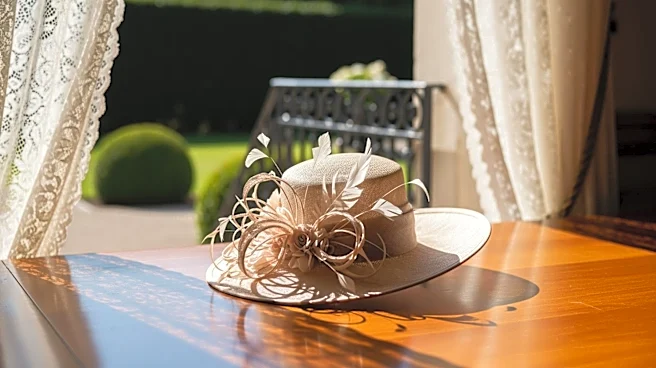
length,” falling just above the knee or longer. Straps must be at least one inch wide. Midriffs must be covered. For years, jumpsuits were forbidden. Hats are mandatory, but not just any hat—a fascinator won’t do. It must be a proper headpiece with a solid base of four inches or more. For royals like Catherine, Princess of Wales, or Sophie, Duchess of Edinburgh, adhering to these rules isn’t just about avoiding a fashion faux pas. It’s a public display of respect for one of the monarchy’s most treasured traditions. Choosing an outfit that is both chic and compliant is the first, non-negotiable step. It signals duty and an understanding of institutional expectations before they’ve even had a chance to place a bet.
Waving the Flag, Subtly
Once the rules are met, the real strategy begins. The most powerful move in the royal playbook is “fashion diplomacy.” When the Princess of Wales chooses a dress by a British designer like Alexander McQueen or a more contemporary label like Self-Portrait, it’s a deliberate economic and cultural endorsement. The value of this placement, seen by millions globally, is immeasurable and provides a significant boost to the UK’s fashion industry. This extends beyond just British brands. Wearing a designer from a Commonwealth nation during a key event can be a nod to diplomatic ties. Every choice is scrutinized for its hidden message. A new, unknown designer might get a life-changing spotlight, while a legacy brand gets a stamp of modern royal approval. This isn't just a pretty dress; it's a soft-power tool wielded to promote national interests.
The Art of the Royal Re-Wear
In a world of fast fashion and celebrity one-and-done outfits, a royal re-wearing a dress is a radical act. And it’s almost always intentional. The Princess of Wales is a master of this tactic. When she appears at Ascot in a dress she’s worn before, it sends a carefully calibrated message of thriftiness, sustainability, and a certain down-to-earth sensibility. This is not because the family can’t afford a new frock. Instead, it’s a form of public relations that positions the monarchy as being more in touch with the concerns of an eco-conscious and financially stretched public. By “shopping her own closet,” she generates headlines that praise her practicality, subtly pushing back against any accusations of extravagance. It’s a masterful way to appear both regal and relatable.
Dressing to Be Seen
The late Queen Elizabeth II was famous for her wardrobe of bright, single-color outfits. Her reasoning was purely practical: in a massive crowd, she needed to be easily visible. That philosophy continues today. While younger royals might opt for more muted tones, a bold color choice—like Princess Beatrice’s vibrant fuchsia or Kate's fire-engine red—is often a strategic decision to stand out in the sea of attendees and, more importantly, in photographs. Color can also convey a mood or a theme. Wearing white is a common, crisp choice for a summer event, often seen as a nod to the suffragette movement or simply as a palette cleanser. A coordinated color scheme among several royals can project an image of unity—a “family firm” presenting a united front. Each shade is chosen for maximum impact and visibility.