





The Apartment as a Confession
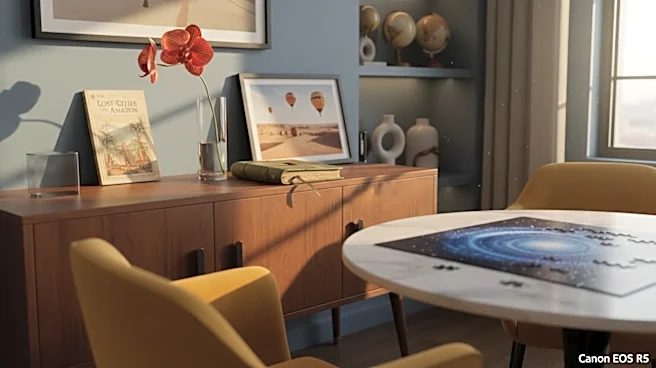
The single most revealing detail in film and television apartments isn't the exposed brick or the suspiciously large windows. It’s the “aspirational clutter.” This is the carefully curated collection of objects, books, art, and furniture that functions
as a complete psychological profile of the character who lives there. Production designers use this technique to turn a passive setting into an active storyteller. The space becomes a confession, a visual diary of a character’s personality, ambitions, and inner turmoil. Every item is a clue, and the entire apartment serves as a motive for their actions. It’s not just where they live; it’s a manifestation of who they desperately want to be, or what they are trying to hide.
Exhibit A: The Struggling Creative's Palace
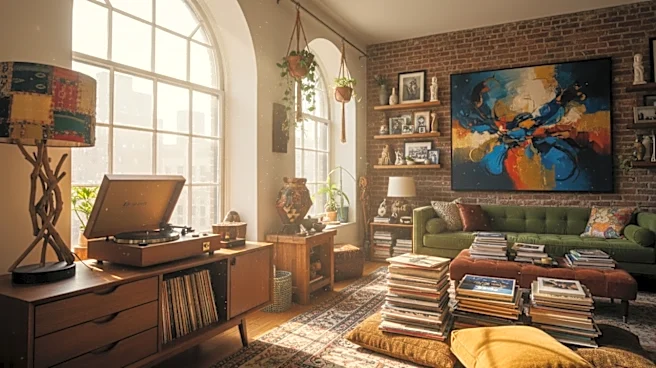
The classic example is the sprawling, light-filled New York City apartment inhabited by a character who is supposedly a struggling artist, writer, or chef. Think of Monica and Rachel’s apartment in Friends or Hannah Horvath’s place in Girls. The economics are baffling—a waitress and a chef could never afford that West Village two-bedroom, regardless of any rent-control explanation. But realism isn't the point. The apartment's design—spacious, eclectic, and full of cozy, mismatched furniture—represents the character's core desire: a life centered on community, creativity, and urban romance. Their motive is to live up to the promise of their surroundings, to become the person who truly belongs in that idealized space. The apartment isn't their reality; it's their vision board.
Exhibit B: The Loner's Sterile Sanctuary
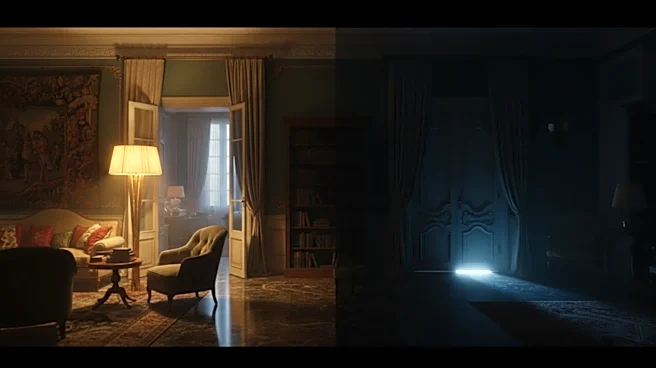
On the opposite end of the spectrum is the sleek, minimalist high-rise apartment. Often occupied by a wealthy but isolated character like a high-powered lawyer, a tech mogul, or an assassin, this space uses a lack of personality to tell its story. The design is cold, dominated by glass, steel, and a neutral color palette. Think of Don Draper’s Mad Men bachelor pad or Patrick Bateman’s apartment in American Psycho. Here, the curated detail is the absence of clutter. The emptiness reflects emotional unavailability, control, or a hidden life. This apartment suggests that the character’s true self is not on display. Their motives are concealed, and the pristine, impersonal environment becomes a fortress, highlighting their isolation from the messy, chaotic world outside.
Reading the Room
Once you start seeing the apartment as a motive, you can't unsee it. Production designers meticulously choose every book on the shelf and every piece of art on the wall to add layers of meaning. In the film The Drama, the art collection in the main couple's apartment contains subtle visual cues that foreshadow the story's emotional unraveling. This practice of “intentional clutter” or “cluttercore” turns the home into a dense narrative landscape where objects are symbols. A stack of travel books suggests a yearning for escape; a collection of vintage records hints at a nostalgic personality; an unmade bed can signal depression or a rebellious spirit. The set ceases to be a simple backdrop and becomes a crucial part of character development, silently communicating everything the script leaves unsaid.