








This Isn’t Your Typical Super-Story
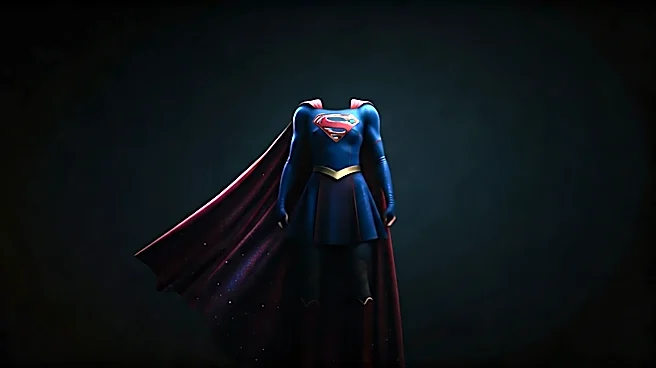
Forget everything you think you know about Kara Zor-El. Most portrayals, from the classic comics to the CW television show, frame Supergirl as a hopeful, optimistic hero struggling to fit in on Earth and live up to the legacy of her famous cousin, Superman.
She’s often defined by her relationship to him and her new home. But the source material for the upcoming film, Tom King and Bilquis Evely’s Eisner-nominated comic series *Supergirl: Woman of Tomorrow*, throws that entire framework out the window. DC Studios co-head James Gunn described this version of Supergirl as “much more hardcore; she’s not the Supergirl we’re used to seeing.” The comic picks up with a Kara who is adrift. She has seen and lost everything. While Superman was sent to Earth as a baby and raised by loving parents, Kara was a teenager on Krypton. She watched her world die, was stranded in space, and arrived on a planet where her baby cousin was already a grown man and the world’s greatest hero. This story explores the deep, unhealed trauma of that experience.
A Space Western Fueled by Grief
The plot of *Woman of Tomorrow* is deceptively simple: it's a cosmic road trip. On her 21st birthday, a disillusioned Kara sits in an alien bar on a faraway planet, trying to get drunk. There, she meets Ruthye, a young alien girl whose father has just been murdered by a vicious mercenary. Ruthye wants to hire a killer to hunt down the man responsible, but when that plan goes sideways, she ends up with an even better ally: Supergirl. What follows is a gritty, sci-fi western as Kara, Ruthye, and Krypto the Superdog journey across the galaxy to bring a villain to justice. The story is told from the perspective of an older Ruthye, looking back on her travels with the legendary Kryptonian. It’s less about superpowers and more about perseverance, morality, and the nature of vengeance. The cosmic backdrop, filled with red suns, bizarre planets, and intergalactic travel, serves as a canvas to explore deeply human themes of loss and what it means to find purpose after tragedy.
Finding the Human in the Superhuman
The genius of the *Woman of Tomorrow* comic—and the likely goal of the film—is how it makes one of the most powerful beings in the universe feel profoundly human. This Supergirl is angry, sad, and tired. She's not a polished symbol of hope; she’s a survivor grappling with immense pain. The story doesn’t weaken her powers, but it emphasizes her emotional vulnerability. She gets beaten down, makes questionable choices, and struggles with the weight of her own past. It’s in her moments of quiet desperation and fierce, protective loyalty to Ruthye that her true character shines. By focusing on Kara's internal world, the story makes her relatable in a way she rarely gets to be. We understand her anger not just as a plot device, but as a legitimate response to having her entire civilization, family, and childhood stolen from her. The “cosmic drama” isn’t just about fighting aliens; it’s about one woman’s fight to keep from being consumed by her own sorrow.
A New Kind of DC Hero
By choosing this specific, critically acclaimed story as the foundation for the new cinematic Supergirl, DC Studios is making a clear statement. They are prioritizing character and emotional depth over simple spectacle. The casting of Milly Alcock, known for her powerful and complex portrayal of a young Rhaenyra Targaryen in *House of the Dragon*, further signals this commitment to a nuanced hero. This approach aligns with Gunn and Peter Safran's stated goal of building a more cohesive and thematically rich DC Universe. A film like *Supergirl: Woman of Tomorrow* suggests their vision isn't just about connecting plot points, but about exploring what makes these god-like figures tick on a human level. It’s a promise that even in a story spanning entire galaxies, the most compelling journey will be the one taking place inside the hero’s heart.