
You know the moment. It’s cold, so you pile on the layers: a tee, a sweater, a cardigan. But when you look in the mirror, it’s a disaster. A crewneck is fighting a V-neck, which is battling a collar, creating
one big, bulky mess.
Why Competing Necklines Create Chaos
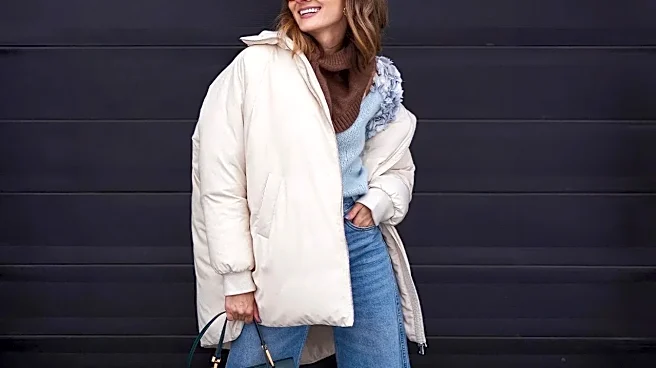
The issue is visual clutter. When you have a crewneck T-shirt peeking out from under a V-neck sweater, which is then layered under an open collared jacket, you've created three different horizontal and diagonal lines stacked on top of each other. This visual competition breaks up your silhouette, making an outfit look unintentional and bulky, even if the individual pieces are thin. The goal of layering is to create a look with cohesive depth, but clashing necklines just create noise. Instead of looking stylishly warm, you end up looking like you got dressed in the dark. It’s the kind of subtle mistake you feel before you can name, leaving your whole outfit feeling slightly 'off'.
The Golden Rule: Match or Frame
The simplest path to success is to either match your necklines or use one to cleanly frame another. For a seamless, invisible base layer, wear a V-neck tee under a V-neck sweater, or a crewneck tee under a crewneck sweater. The underlayer simply disappears, creating one clean line. The alternative is framing. A V-neck or open cardigan is perfect for this, as it naturally creates a window. Use that window to frame a contrasting shape, like a crisp collared shirt or a simple crewneck tee. This approach looks deliberate and polished, turning the base layer into a part of the finished outfit.
Start with the Highest Neckline
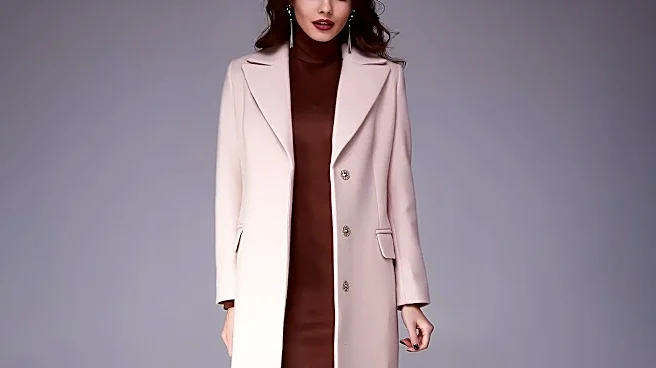
When in doubt, build your outfit from the inside out, starting with the layer that sits highest on your neck. If you begin with a turtleneck or a snug crewneck as your foundation, any subsequent layer with a lower neckline—like a V-neck sweater, a knit vest, or an open cardigan—will naturally fall into place around it. This prevents the awkward situation where a lower base layer unexpectedly peeks out. For example, a crewneck tee worn under a V-neck can look accidental. But a turtleneck under a V-neck looks intentional. The highest neckline sets the anchor point for everything else.
The Versatile V-Neck
The V-neck sweater is perhaps the most valuable player in any layering wardrobe. Its shape is inherently designed to be layered over something else. It perfectly frames a collared buttondown, transforming a basic office look into something sharper. It can also be layered over a simple crewneck tee for a more casual, relaxed feel. The key is that the 'V' draws the eye downward, elongating the torso and creating a flattering vertical line. Just avoid wearing it over nothing at all, which can look unfinished, or over another V-neck of a similar depth, which just looks redundant.
The Collared Shirt Conundrum
The collared shirt is a layering classic, but it has its own set of rules. It works beautifully under a crewneck sweater for a timeless, preppy look, or under a V_neck where the collar can be the star. However, layering a collared shirt over another layer can be tricky. Tucking it over a turtleneck, for instance, often creates too much bulk and competing structure right under your chin. A better approach is to treat the collared shirt as a light jacket, wearing it open over a simple base layer like a scoop_neck or V_neck tank. This keeps the look clean and avoids any bunching.
When All Else Fails, Use a Scarf
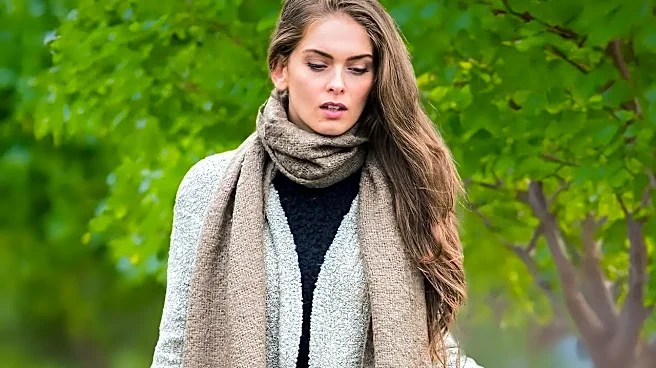
Some mornings, you're just in a rush. If you find yourself out the door with a jumble of necklines that aren't working together, there’s a simple fix: a scarf. A well_chosen scarf, whether it's a chunky knit or a lightweight silk, can unify the entire upper half of your outfit. It creates a new, intentional focal point, effectively hiding any awkward layering beneath it. By draping it, you create a new, soft V_shape or a cowl that masks the chaos, making it look like you planned it all along.