


Lesson 1: The Power of a Perfect Shoulder
Today’s oversized blazers have their place, but vintage Emmy photos remind us that a perfectly structured shoulder is timeless. Look at photos of hosts like Johnny Carson from the 1970s and 80s. His suit jackets were never tight, but the shoulder seam
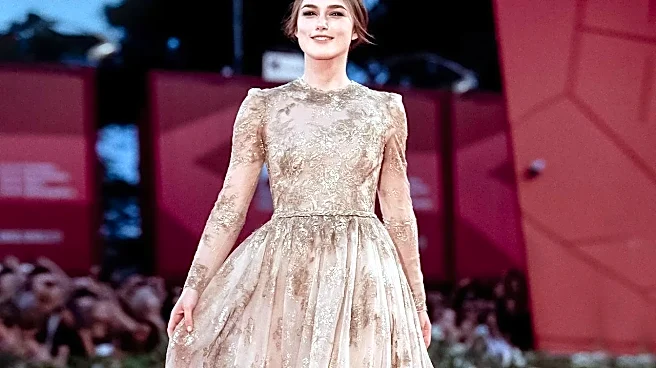
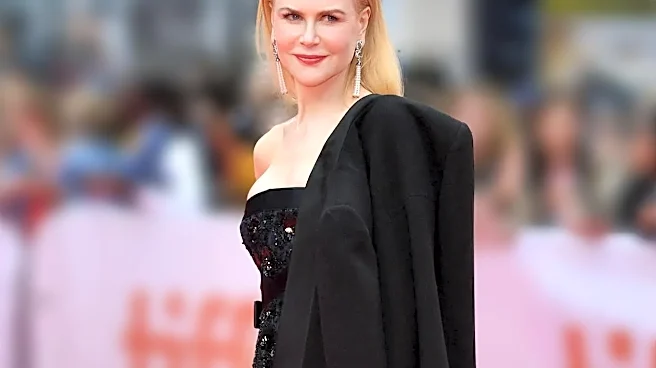
consistently sat right at the edge of his natural shoulder. This creates a clean, authoritative line that makes the entire garment hang correctly. For gowns, a similar principle applies. A star like Diahann Carroll, known for her impeccable style, wore dresses where the straps or sleeves were placed to flatter her frame, not just follow a trend. The lesson is that whether you're wearing a suit or a gown, if you get the shoulders right, the rest of the silhouette follows.
Lesson 2: Fabric as a Sculpting Tool, Not a Crutch
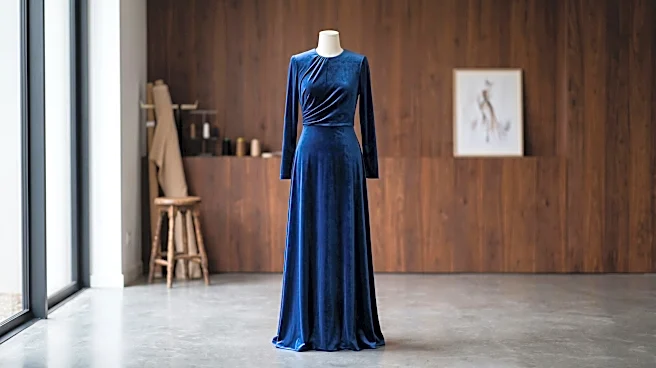
Modern fashion often relies on stretch fabrics to achieve a close fit. While comfortable, these materials can also be unforgiving. Vintage tailoring, by contrast, shows the power of using fabric with substance—wool, thick silk, structured brocades—to create shape. These materials weren't meant to cling; they were meant to drape. Think of the elegant, simple column dresses Mary Tyler Moore favored in the 1970s. The beauty was in the way the fabric fell, creating a graceful line that moved with her. This approach hides nothing, but it also doesn't need to. The garment stands on its own, lightly skimming the body to create a flattering silhouette through expert cutting and shaping, not by just stretching over it.
Lesson 3: The Forgotten Art of the High-Waisted Trouser
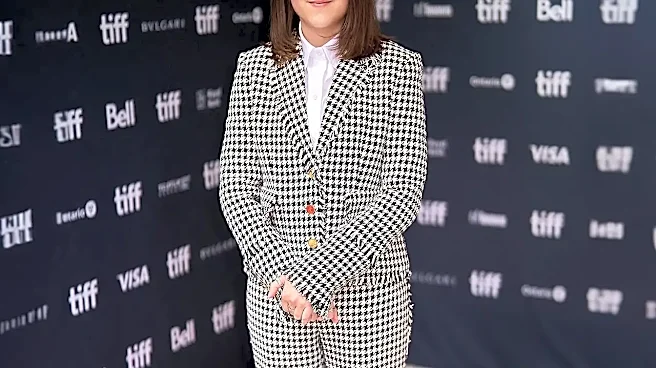
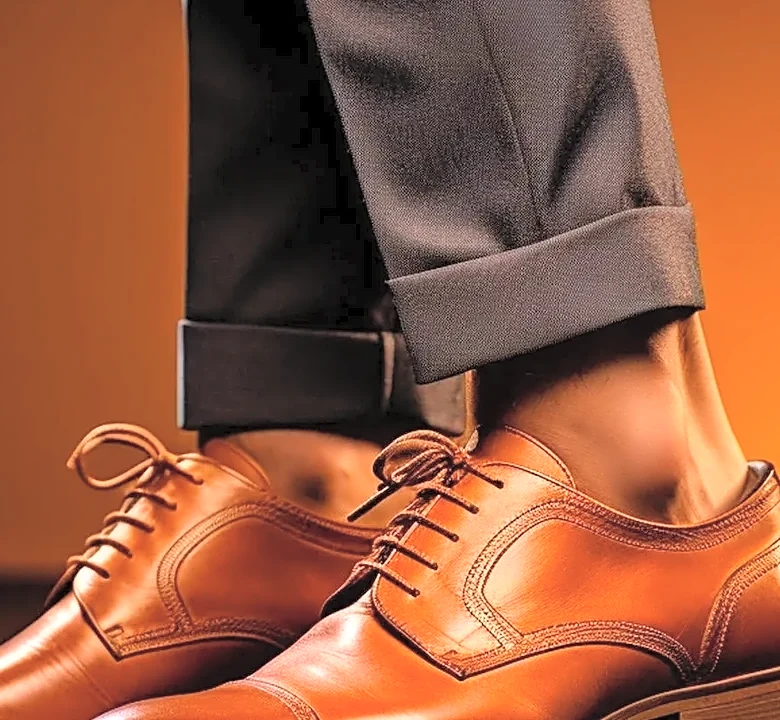
One of the most striking differences in vintage photos is how both men and women wore trousers. For men, the standard was a higher rise, with the waistband sitting at the natural waist. This elongates the leg line and provides a much cleaner look, especially when wearing a jacket. For women, the tailored pantsuits of the 70s and 80s, as seen on icons like Bea Arthur and Angie Dickinson, often featured a similar high-waisted, wide-leg cut. This silhouette was powerful and elegant, creating an unbroken line from waist to floor. It’s a far cry from the low-slung styles that dominated later decades and serves as a masterclass in proportion.
Lesson 4: Simplicity Is the Ultimate Statement
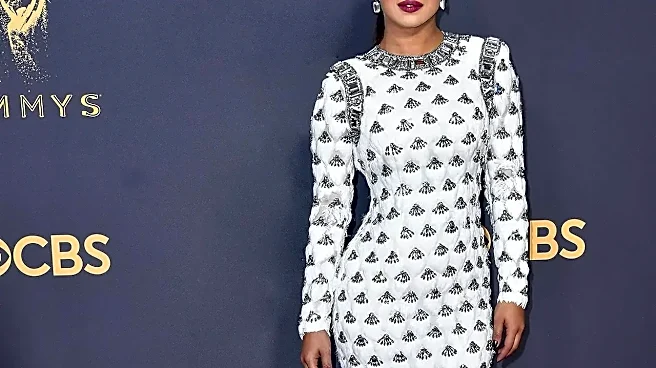
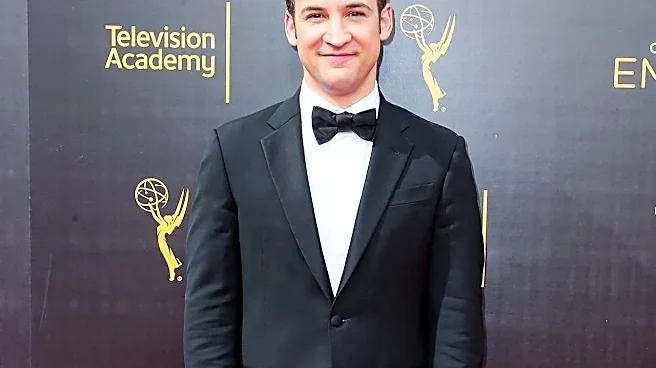
While there were certainly frills and dramatic flourishes at early Emmy ceremonies, the most enduring looks are often the simplest. A perfectly cut dress in a solid color or a classic black-tie tuxedo makes a more powerful statement than a garment overloaded with distracting elements. The confidence comes from the fit, not the fanfare. Tailoring techniques from that era focused on clean design lines and an impeccable fit. Pockets were designed not to gape, collars were shaped to curve gently toward the body, and vents were expected to lie flat. This attention to subtle detail ensured the focus remained on the wearer, not just the dress.
Lesson 5: It’s Made for the Person, Not Just the Photo
A key difference in vintage tailoring is that clothes were made to be moved in. A well-tailored jacket allows for ease of movement without pulling, and a gown is constructed to be worn comfortably through a long evening. While modern red carpet dressing can sometimes feel like a static art installation designed for a single pose, classic tailoring prioritized the relationship between the garment and the person. The goal was a controlled yet graceful presentation that looked good from every angle, whether standing still or walking across the stage to accept an award. This functionality is perhaps the greatest lesson of all: truly great style has to work in real life, not just for the camera.