






The Foundation: Respect and Modesty
Before we even get to style, the primary rule for attending a service in a place of worship is respect. Most religious traditions emphasize modesty, so your outerwear should align with that principle. This often means ensuring your shoulders and, in some
contexts, your knees are covered. For guests, this isn't about adhering to a specific theological doctrine but showing consideration for the sanctity of the space and the community. A beautiful pashmina, shawl, or wrap is often a perfect solution for sleeveless dresses, providing coverage without requiring a heavy coat. For more conservative services, like those in many Orthodox synagogues or traditionalist churches, ensuring your arms are covered is a sign of respect. The goal is to blend in gracefully, allowing the focus to remain on the ceremony itself.
Fabric Is the First Clue
Here’s where the difference between 'getting it right' and 'not quite' becomes obvious. The person who nails it chooses outerwear in a fabric that signals formality and intention. Think wool, cashmere, crepe, or a substantial wool-blend. These materials have structure and a refined finish that complements a formal dress or suit. What doesn't work? Puffer coats, denim jackets, athletic fleeces, or anything overly utilitarian. While practical for a commute, these pieces scream casual and can look jarring in a setting that calls for reverence. For a celebratory event like a wedding, a faux-fur stole or a silk-blend wrap can add a touch of glamour, while for a somber occasion like a funeral, a simple, unadorned black wool coat is always appropriate.
A Structured Cut Signals Intent
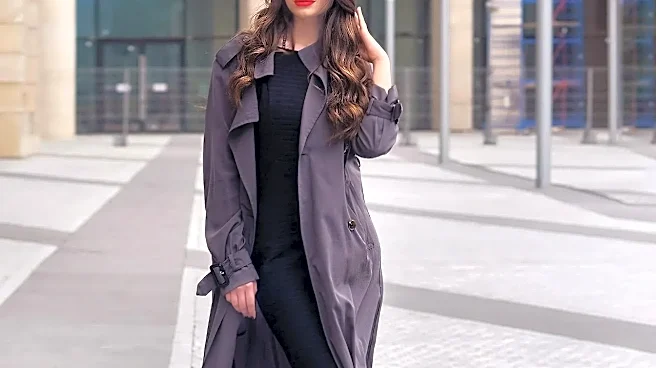
Beyond fabric, the silhouette of your outerwear is crucial. People who look effortlessly polished almost always choose a structured cut. A tailored overcoat, a classic trench, a cape, or a sharp blazer creates clean lines and demonstrates that your outerwear is part of the outfit, not an afterthought. It frames your formalwear rather than smothering it. In contrast, shapeless or overly casual styles—like a baggy cardigan or an unstructured poncho—can make an entire ensemble feel sloppy. The right cut provides definition and maintains a sense of decorum. Even a simple 'coatigan' can work if it has a defined collar and a cut that doesn’t just hang, but drapes with purpose. The key is to avoid anything that looks like you just grabbed it on your way out the door.
Color and Context Go Hand in Hand
Color choice is deeply contextual. For funerals, the standard is dark and muted: black, charcoal gray, and navy are the safest and most respectful options. The purpose is to recede, showing solidarity in mourning without drawing attention. For celebratory occasions like baptisms or spring weddings, lighter neutrals like beige, camel, or soft pastels are perfectly acceptable. However, it's still wise to avoid anything excessively bright or flashy that might pull focus. A guest should never appear to compete with the central figures of the ceremony. And while rules have relaxed, wearing white is still best avoided at a Christian wedding. When in doubt, a classic neutral coat in camel, gray, or navy is a versatile investment that works for almost any formal religious event.
The Finishing Touches That Elevate
Finally, the details matter. The length of your coat should correspond with the hem of your dress or skirt. A coat that is significantly shorter than a midi or maxi dress can create an awkward visual break. Ideally, the coat should be of a similar length or longer. Hardware should be minimal; overly shiny zippers or large, branded buttons can look cheap or distracting. Sometimes, the best outerwear isn't a coat at all. A large, high-quality cashmere or wool shawl offers incredible versatility. It provides warmth and modest coverage, can be elegantly draped, and easily removed and folded during the service. It’s a sophisticated and practical solution that shows both style consciousness and respect for the occasion.