






Defining the 'Clean Couture' Wave
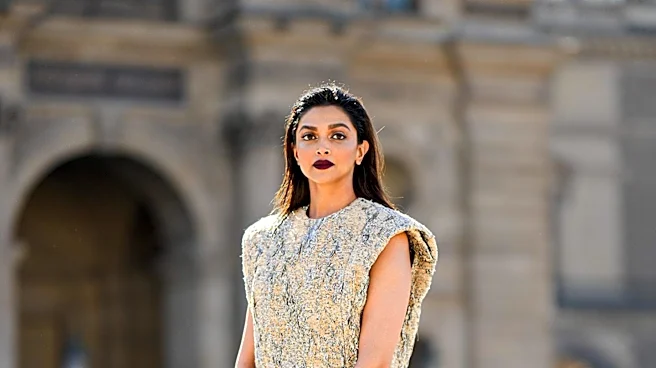
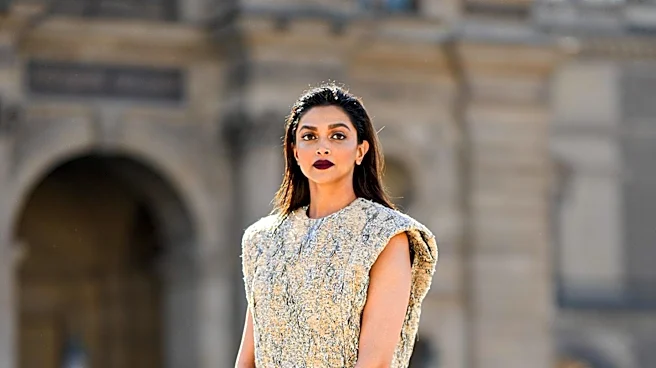
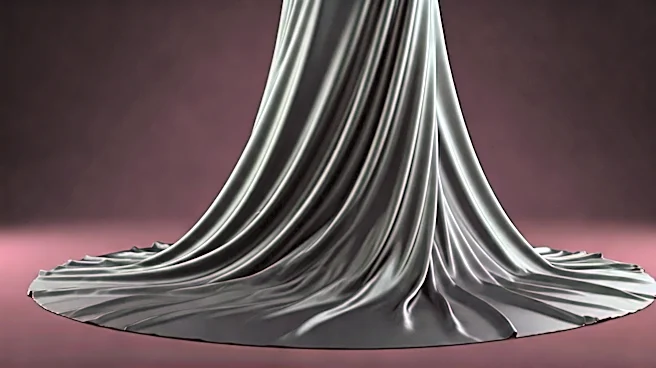
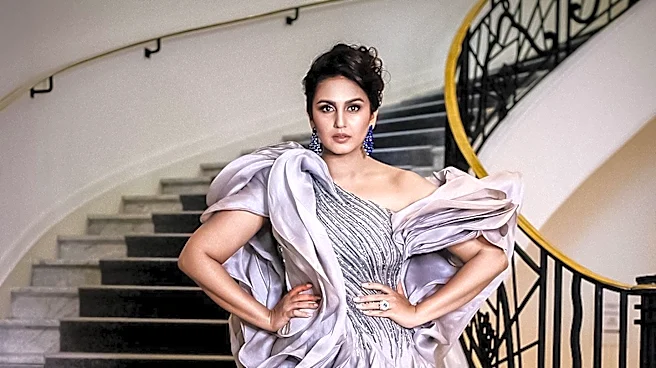
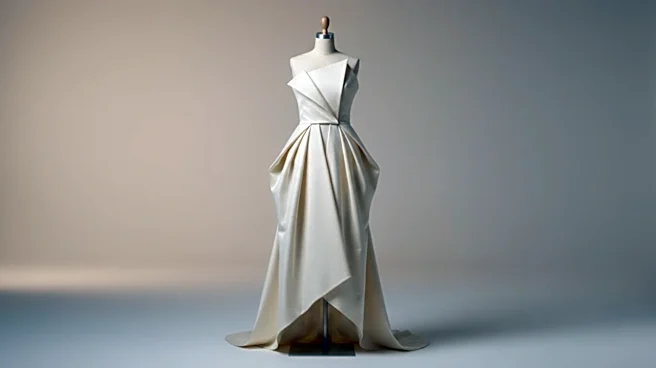
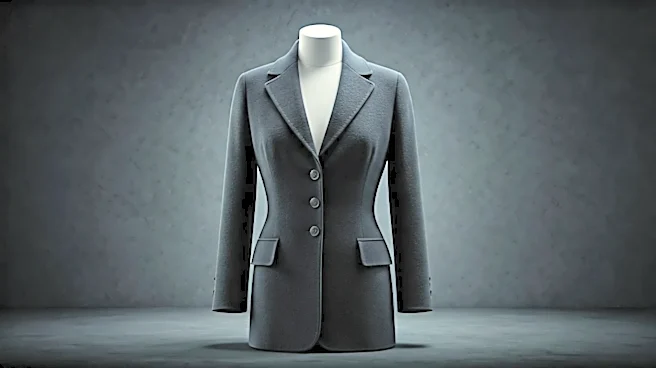
Before we look back, let’s define the present. Today’s “clean couture” is a direct response to years of embellishment, logos, and visual noise. It’s a trend characterized by its confidence in simplicity. Think sculptural gowns with minimal ornamentation,
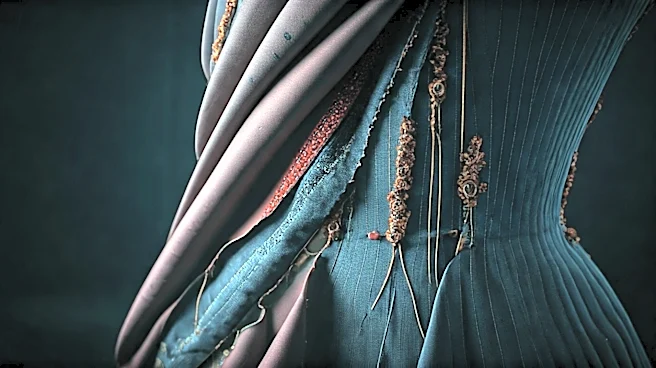
a focus on exquisite tailoring, and a restrained color palette of black, white, and powerful monochrome. It prioritizes the cut, fabric, and silhouette above all else, creating a look that is both modern and timeless. This isn't about being plain; it's about the supreme confidence of a perfect line. The drama comes from the shape of the garment itself, not from anything sewn on top of it.
The Original Architect: Hubert de Givenchy
To understand this revival, you have to know Hubert de Givenchy. Opening his Parisian house in 1952, he entered a fashion world dominated by the hyper-feminine, heavily structured “New Look.” Givenchy, a 6'6" aristocrat with a keen eye for modernity, offered a different path. Mentored by the legendary Cristóbal Balenciaga—whom he called “the architect of haute couture”—Givenchy learned to value construction and purity of form. He believed clothing should serve the woman, not overwhelm her. His philosophy was one of refined simplicity, creating clothes for a modern, active woman who valued elegance and ease in equal measure.
The Power of the Simple Silhouette
Givenchy’s genius was most evident in his revolutionary silhouettes. In 1957, he and Balenciaga introduced the “sack” dress (also called the chemise), a design that hung straight from the shoulders, completely eliminating a defined waistline. It was a radical idea that prioritized comfort and movement, trusting the beauty of the fabric and the cut. He was also a pioneer of “separates” in haute couture, designing elegant blouses and skirts that clients could mix and match—a concept of versatile, personal style that was unheard of at the time. This focus on sculptural, unfussy shapes is the direct ancestor of the architectural gowns we see today.
Audrey Hepburn and the Little Black Dress
No discussion of Givenchy is complete without Audrey Hepburn. Their 40-year collaboration was one of fashion’s most iconic pairings, beginning with the 1954 film Sabrina. Hepburn became his ultimate muse, embodying the gamine, modern spirit of his designs. This partnership cemented the “Givenchy look” in the global imagination, most famously with the black sheath dress from 1961's Breakfast at Tiffany's. While Coco Chanel may have invented the little black dress, Givenchy perfected its modern iteration: a simple, elegant canvas for personality. He proved that true glamour didn't require ornamentation, just a flawless cut and an attitude of grace—a core tenet of today's clean couture.
An Enduring Legacy of Understated Confidence
So why is this particular aesthetic resonating so strongly right now? In a world of fleeting trends and constant digital noise, the clean, confident lines of Givenchy’s archival work feel like an anchor. It’s a return to the fundamentals of great design: fabric, form, and silhouette. The modern designers embracing this ethos are tapping into a desire for permanence and quality over flash. They are rediscovering what Hubert de Givenchy knew all along: that simplicity is the hardest thing to achieve, and that true elegance speaks in a quiet, assured voice. His work wasn't just about creating beautiful dresses; it was about creating a personality and a presence for the woman wearing them.