




A Promise Forged in the Premier League
Imagine a national team from a country smaller than Maryland suddenly producing a flood of world-class superstars, all at the same time. That was Belgium in the early 2010s. For years, they were a soccer afterthought. Then, a miracle. You had Eden Hazard,
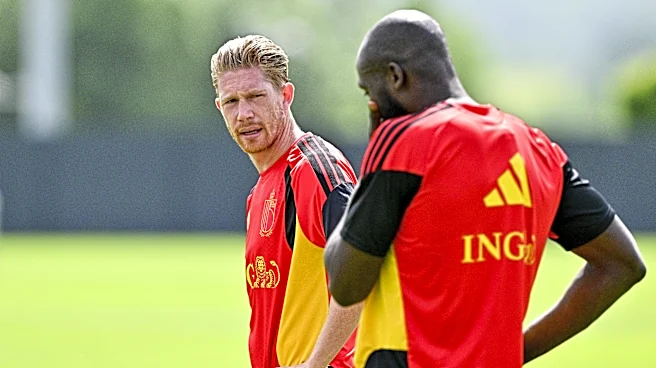
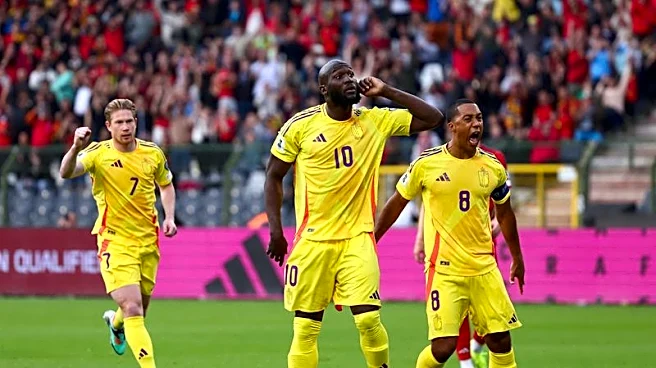
a dribbling wizard at Chelsea. You had Kevin De Bruyne, arguably the world’s best passer, running the show for Manchester City. Romelu Lukaku was a goal-scoring machine. Vincent Kompany was a titan of a defender, and Thibaut Courtois was a giant in goal. On paper, they were unstoppable—a fantasy team made real. They weren't just good; they were icons at the biggest clubs in the world. Hopes weren’t just high; they were stratospheric. This wasn’t just a team; it was a phenomenon, and they were dubbed the “Golden Generation,” destined to finally bring a major trophy to Belgium.
The Peak and The Agonizing 'What If'
The 2018 World Cup in Russia was supposed to be their coronation. Everything seemed to be clicking. Under manager Roberto Martínez, they played a thrilling, attacking style. The high point was a masterful 2-1 quarterfinal victory over Brazil, a tactical masterclass where De Bruyne and Lukaku dismantled the tournament favorites. It felt like destiny was at hand. This, right here, was the moment the promise became reality. But in the next round, the dream hit a wall. In a tight, tense semifinal against eventual champions France, they lost 1-0. They dominated possession but couldn't break down a disciplined French defense. They went on to win the third-place match, securing their best-ever World Cup finish, but it felt hollow. This wasn’t the trophy they came for. The bronze medal was a historical achievement, but it also became the symbol of their era: brilliant, but ultimately falling just short when it mattered most.
The Slow Unraveling and Public Implosion
If 2018 was a noble failure, 2022 was a catastrophe. The core was older, the tactics felt stale, and the magic was gone. At the World Cup in Qatar, the team looked like a collection of strangers who resented being in the same room. Rumors of bitter infighting swirled, and the players themselves did little to quiet them. In a now-infamous interview, De Bruyne bluntly stated the team was “too old” to win, a brutal assessment that reportedly caused a rift with his defensive teammates. After a dismal goalless draw with Croatia sealed their group-stage exit, a visibly frustrated Lukaku punched through the dugout wall. It was a pathetic, embarrassing end. The Golden Generation didn't go out with a bang; it fizzled out amid public squabbling and on-field mediocrity, a team that had seemingly forgotten how to play together.
The Lesson for 2026: Talent Isn't Enough
So, what’s the lesson here for the casual fan? It’s simple: a roster of superstars guarantees nothing. The story of Belgium is the ultimate proof that team chemistry, tactical evolution, and seizing the moment are just as important as individual brilliance. A team is more than just the sum of its parts. Ego, internal politics, and the immense pressure of a “now or never” window can shatter a dream just as easily as a stronger opponent can. It’s a compelling human drama that plays out on the world’s biggest stage. A great team needs more than just great players; it needs a unified soul.