



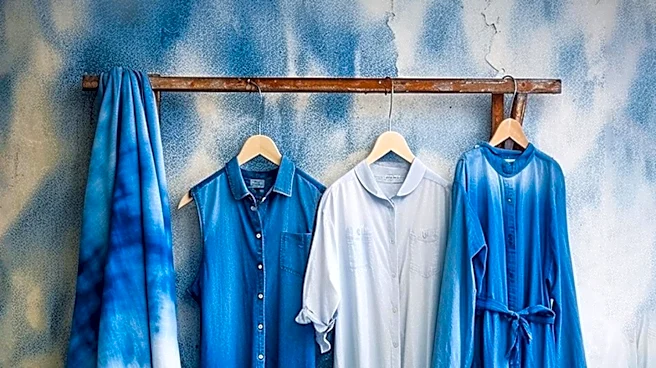

We’ve all been told to choose cotton over polyester. The logic feels simple: natural is good, synthetic is bad. But in the complex world of textiles, what sounds right isn't always true. The best fabric for your closet is rarely so clear-cut.
Myth: All Natural Fibers Are Eco-Friendly
The image
of a fluffy cotton boll feels pure and wholesome, but the reality of conventional cotton farming is often anything but. Cotton is a notoriously thirsty crop. Producing a single kilogram of cotton, enough for a t-shirt and jeans, can require thousands of liters of water. In some regions, this intense water demand has contributed to ecological disasters, like the near-total disappearance of the Aral Sea. Furthermore, conventional cotton farming often relies on significant amounts of pesticides and fertilizers. While options like organic cotton reduce chemical use and can be grown with less irrigation, the 'natural' label on its own doesn't guarantee a low environmental impact.
Myth: Synthetic Fibers Are Always the Enemy
Polyester, nylon, and other synthetics get a bad rap, and for some good reasons. They are derived from fossil fuels and, most notably, shed tiny plastic microfibers with every wash, contributing to widespread pollution in our oceans, air, and even our bodies. However, these materials have properties that natural fibers simply can't match, making them the superior choice for certain garments. For high-performance activewear, you need the moisture-wicking and quick-drying capabilities of polyester. For a durable, water-resistant rain jacket or sturdy backpack, nylon is often the most practical and long-lasting option. A synthetic garment that is engineered for a specific purpose and lasts for a decade can have a better lifecycle footprint than a natural-fiber alternative that wears out quickly and needs frequent replacement.
Myth: If It's Plant-Based, It's Green
Enter the world of semi-synthetics like rayon and viscose, often marketed with appealing 'plant-based' origins from bamboo or wood pulp. While the raw material is natural, the process to transform it into silky-smooth fabric is chemically intensive. The most common method, the viscose process, uses toxic chemicals like carbon disulfide, which can harm factory workers and pollute local air and water if not handled in a closed-loop system. Additionally, the demand for wood pulp can drive deforestation, with some analyses finding that a significant portion of the material comes from ancient and endangered forests. More sustainable alternatives like Lyocell (often sold as Tencel) use a closed-loop process that recycles water and non-toxic solvents, but they aren't as common as conventional viscose.
Myth: The Only Thing That Matters Is the Fiber
Focusing only on the material misses the bigger picture. The most sustainable garment is the one you already own, and the secondndndndndndndndndndndndndndndndndndndndndndndmost sustainable is one you will wear for years. Durability is a key, and often overlooked, component of sustainability. A wellstmade polyester jacket that you wear for 15 years is arguably a better choice than five cheap cotton hoodies that pill, shrink, or fall apart after a season. How you care for a garment also matters. Washing in cold water on a gentle cycle and air drying can dramatically extend a garment's life, regardless of its fiber content. Ultimately, the environmental impact of your wardrobe is determined by a combination of the material's source, its durability, how you care for it, and how long you keep it in use.