
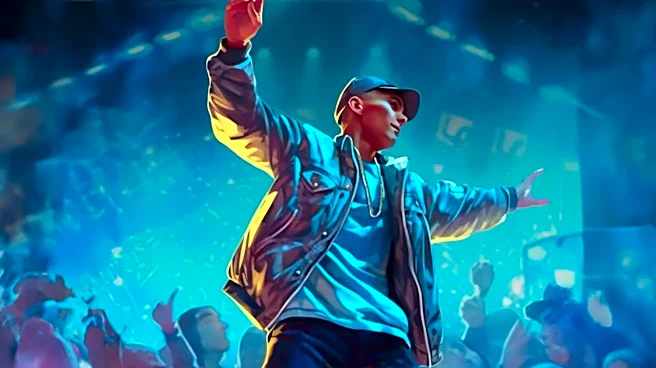
The All-Star Traffic Jam
Picture the scene: a stage flooded with legends, each given a 30-second snippet of a classic verse. The 2023 Grammy Awards' 50th-anniversary hip hop tribute was a prime example, featuring over two dozen artists in a whirlwind 14-minute medley. While epic
in scope, these moments often feel less like a tribute and more like a frantic roll call. The audience's attention is scattered, spent identifying the next famous face rather than immersing themselves in the performance. Instead of a cohesive emotional arc, you get a series of disconnected applause breaks. The focus shifts from honoring the subject—be it a person, a group, or the genre itself—to simply accommodating the sheer volume of star power on stage. The result is often a spectacle that’s wide in celebrity but shallow in feeling, where the honoree becomes a backdrop for a parade of guests.
From Homage to Self-Promotion
A fundamental problem arises when a tribute morphs into a talent showcase for the performers. A cameo should serve the story, not distract from it. When artists use the platform to outshine each other or simply remind the audience of their own hits, the act of honoring gets lost. Critics of such performances point out that this can feel exploitative, capitalizing on the fame of a beloved figure for a fleeting moment of self-promotion. Hip hop, at its core, is a genre built on raw, personal expression and storytelling. A truly great tribute taps into that authenticity. It requires the performers to channel the original artist's spirit with reverence and precision. When the stage becomes a competition for the spotlight, it betrays that core value, leaving the audience with a performance that feels more like a business transaction than a heartfelt thank you.
When More Is Actually More
This isn't to say all multi-performer tributes are doomed. The key is curation and connection. A tribute works when the guest list feels purposeful, not like a desperate grab for applause. Consider the 2005 VH1 Hip Hop Honors tribute to Big Daddy Kane, which featured T.I., Common, and Black Thought. The performance built momentum, with each artist adding a layer before the man himself appeared to perform "Warm It Up Kane." It told a story of influence, showing how Kane’s legacy was carried forward by the next generation. The cameos weren't random; they were part of a narrative. The difference lies in whether the performers are there to celebrate the icon or to celebrate themselves. When each artist shares a genuine connection to the honoree's music or story, their presence adds depth and dimension rather than diluting the focus.
The Power of Singular Focus
Ultimately, the most powerful tributes often rely on simplicity. They understand that emotion doesn't come from a bigger guest list but from a deeper connection. A single artist, fully immersed in the material, can often deliver a more potent emotional punch than a dozen stars rushing through their lines. This approach allows the audience to connect with the music on a visceral level, reminding them of the honoree's unique genius without distraction. It's about capturing the essence, not just mimicking the sound. By stripping away the excess, the performance recenters on what truly matters: the music and the artist who created it. A tribute should feel like an intimate act of appreciation, and sometimes, the most profound statements are made when there’s only one voice in the room.