
An Invasion of Sights and Sounds
To understand CMA Fest, you have to understand its scale. For four days every June, downtown Nashville ceases to be a regular city. It becomes a sprawling, open-air campus for country music. Lower Broadway,
the city’s famous strip of honky-tonks, is shut down to vehicle traffic and transforms into a pedestrian sea of denim, fringe, and festival lanyards. The event isn’t confined to one venue; it’s a strategic takeover. There are multiple free, outdoor stages operating simultaneously from morning until late afternoon, featuring hundreds of artists from rising stars to established hitmakers. Fans with stamina can pinball between the Chevy Riverfront Stage, the Dr. Pepper Amp Stage, and others, curating their own personal festival lineup on the fly. This daytime sensory overload is the “chaos” in its purest form—a choose-your-own-adventure of non-stop music where the biggest challenge is deciding what you’re willing to miss.
The Unwritten Fan Contract
The festival’s DNA is rooted in its origin as Fan Fair, which began in 1972 as a more intimate gathering for fan club members to meet their favorite artists. That spirit endures and forms the core of the event's unique culture. The “controlled” part of the chaos is most visible inside the Music City Center at Fan Fair X, where a labyrinth of booths houses autograph sessions, Q&As, and surprise performances. Here, the artist-fan relationship is the main currency. Fans wait in line for hours for a 30-second interaction and a selfie with a star, and the artists, in turn, show up. This unspoken agreement—that the fans’ devotion will be rewarded with access—is what separates CMA Fest from more artist-centric festivals like Coachella or Lollapalooza. It’s a marathon of gratitude, and it’s why generations of fans feel a deep sense of ownership over the event.
From Daytime Frenzy to Stadium Spectacle
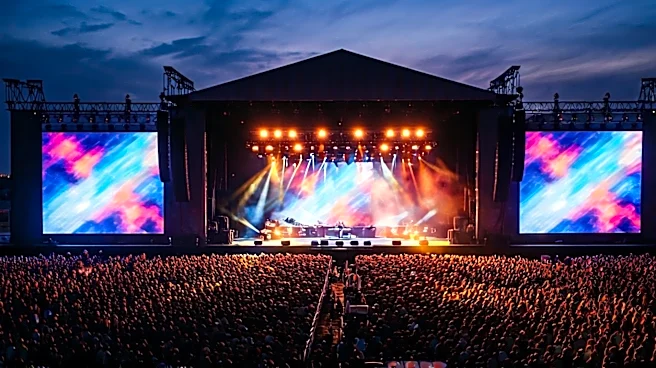
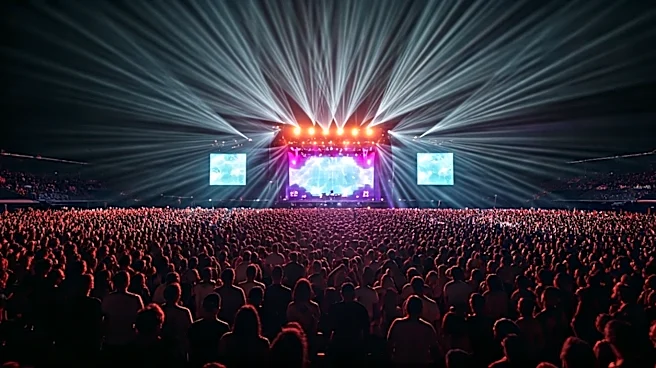
Just as the daytime heat and energy seem to peak, the festival pivots. The free stages wind down, and the crowds migrate across the Cumberland River to Nissan Stadium for the main event: four nights of stadium-sized concerts. This is where the true headliners take the stage—the Luke Combs, Lainey Wilsons, and Morgan Wallens of the world. The transition is a masterful piece of crowd control. The chaos of the streets gives way to the structured order of a major sporting event, complete with assigned seating, massive video screens, and perfectly timed sets. Yet, the energy remains electric. The nightly shows serve as the festival's grand finale, a communal celebration where 50,000 people sing along to the year’s biggest hits. It’s the reward for braving the daytime heat and crowds, a grand spectacle that unites everyone under one roof.
The Symphony of Logistics
None of this would be possible without a logistical operation of military precision. The “controlled” element is the invisible framework holding the beautiful mess together. Hundreds of artists are scheduled across a dozen stages, requiring pinpoint timing and transportation. A legion of volunteers, many of whom are fans themselves, work shifts to guide crowds, answer questions, and keep things moving. Perhaps most remarkably, the artists aren't paid for their performances. Instead, they donate their time, and a portion of the festival’s proceeds goes to the CMA Foundation to support music education programs across the country. This charitable mission fosters a sense of goodwill that permeates the entire event. It’s a reminder that beneath the corporate sponsorships and the sheer commercial scale, CMA Fest is still powered by a shared love for the music.