
More Than Just Picking a Face
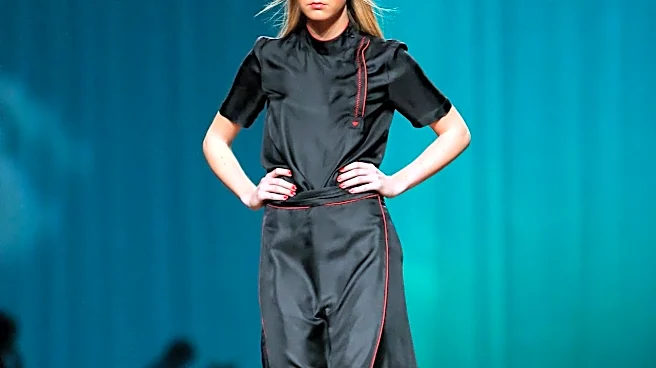
Forget the old idea of a casting director simply flipping through headshots. Today’s top runway casters are core creative strategists, working alongside designers months in advance to build the narrative
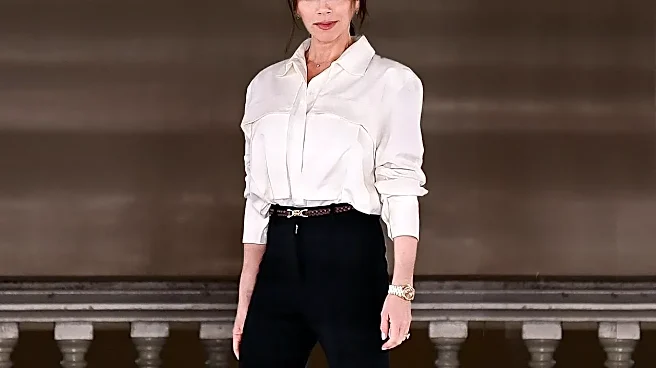
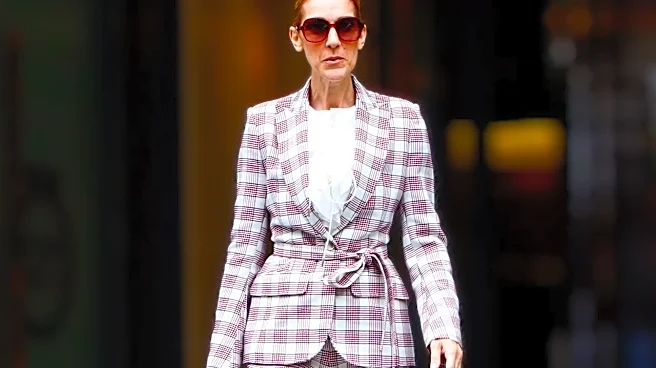
of a collection. They are less like hiring managers and more like film directors, assembling a cast of characters to bring a specific vision to life. Figures like Ashley Brokaw, known for her influential work with Prada and Louis Vuitton, or the duo Piergiorgio Del Moro and Samuel Ellis Scheinman of DM Casting, who have shaped the look of brands from Versace to Saint Laurent, are architects of identity. Their job is to translate a designer’s abstract ideas—be it '90s nostalgia, futuristic rebellion, or soft romance—into a lineup of human beings. The choice of models communicates who the brand is for, what it values, and what story it wants to tell before a single piece is sold.
The Storyteller Behind the Lineup
Every casting decision is a piece of storytelling. A show populated by established supermodels, for example, can telegraph power, luxury, and a connection to fashion history. Think of Versace bringing back icons like Carla Bruni and Cindy Crawford, a move that created a viral moment of pure, unapologetic glamour. In contrast, a designer who opts for "street casting"—finding unknown, often unconventional faces on the street or social media—is making a different statement. This approach signals authenticity, a connection to youth culture, and an edgier, more democratic vision of beauty. It suggests the clothes are for real people, not just mythical figures. A casting director's skill lies in blending these elements. They might mix a few big names with a host of new faces to create a dynamic texture, making the entire show feel both aspirational and accessible.
The Two Schools of Thought: Character vs. Classic
In Paris, you can often see two distinct casting philosophies at play. On one side, you have brands like Balenciaga, which famously use models with unique, character-rich faces and assertive walks that challenge traditional norms. This is casting as world-building; the models feel like they inhabit a specific, often dystopian, universe that is entirely the brand's own. On the other side, a house like Chanel has historically favored a more classic, uniform beauty that allows the intricate designs to remain the primary focus, though even they have recently brought in outside casting directors like Anita Bitton to evolve their vision. Neither approach is inherently better; they are simply different tools for establishing an identity. Ashley Brokaw has noted the rising importance of a model's personality and personal style, even using video submissions to gauge who they are beyond a static image. This shift shows that the person can no longer be a blank canvas; their individuality is now part of the brand's message.
The Face of the Future
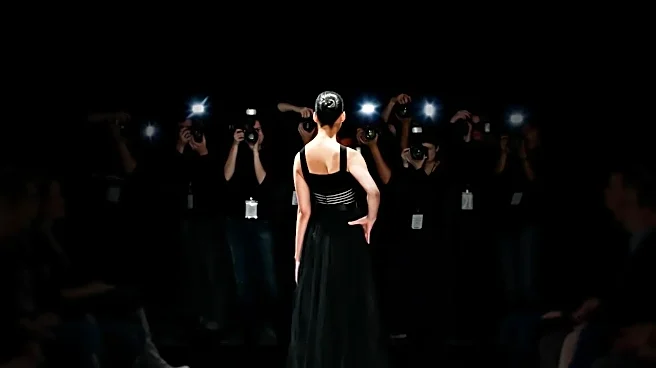
As the industry continues to evolve, the role of casting has become more crucial than ever. It's the front line for conversations around diversity and representation, with casting directors holding the power to champion a more inclusive vision of beauty. They act as a bridge between the designer's insular creative bubble and the wider world, ensuring the runway reflects the culture it's meant to serve. The lineup for a show is no longer just a series of models; it is a brand's thesis statement. It’s a declaration of who they find beautiful, whose stories they believe are worth telling, and what kind of world they want to create. The models are the protagonists, and through them, the brand's identity truly comes alive.