
An Escape from the Gorno Hangover
To understand the revolution, you have to remember what came before it. The 2000s were largely dominated by the “torture porn” subgenre, with franchises like Saw and Hostel prioritizing graphic violence
and intricate, gruesome traps. While commercially successful, this trend, along with the found-footage boom sparked by Paranormal Activity, left many horror fans feeling fatigued by a cycle of visceral shocks and shaky cameras. The focus was on the spectacle of death, not the psychological weight of it. By the decade's end, the genre felt creatively stagnant, ripe for a disruption that would pivot from what made audiences jump to what made them think and feel.
A New Breed of Fear Emerges
The 2010s indie wave offered a powerful counter-narrative. Often dubbed “elevated horror,” this movement prioritized thematic depth, arthouse aesthetics, and slow-burn psychological terror. Instead of masked killers, the monsters were often metaphors for real-world anxieties: grief, trauma, mental illness, and societal decay. Films like Jennifer Kent’s The Babadook (2014) used a storybook monster to explore the crushing weight of a mother’s unresolved grief. David Robert Mitchell’s It Follows (2014) created a relentless sense of dread with a supernatural entity that served as a powerful allegory for sexual anxiety and the inescapable consequences of intimacy. These films weren't just scary; they were profoundly unsettling, leaving a mark that lingered long after the credits rolled.
The Auteurs and Their Anxieties
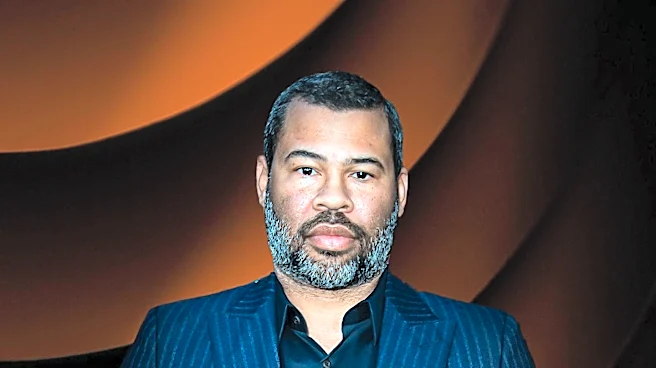
This era was defined by a new class of directors who were celebrated as authors of their vision. Robert Eggers’ The Witch (2015) was a meticulously crafted period piece that weaponized historical paranoia and religious fanaticism, proving that horror could be both terrifying and rigorously authentic. Ari Aster became a household name with Hereditary (2018), a film that masterfully depicted the horrifying disintegration of a family under the weight of inherited trauma, featuring a performance from Toni Collette that blurred the line between horror and high drama. Jordan Peele’s Get Out (2017) brilliantly blended horror, comedy, and sharp social commentary to tackle systemic racism, winning an Oscar for its screenplay and demonstrating the genre's power to address pressing social issues.
How A24 and Streaming Built the Wave
This creative renaissance couldn't have happened without a seismic shift in the film industry. Independent production company A24 became synonymous with this new brand of horror, building a loyal following by giving visionary directors creative freedom. They turned movies like The Witch and Hereditary into cultural events, using strategic festival debuts and savvy marketing to build prestige and attract audiences who might typically avoid horror. Simultaneously, the rise of streaming services provided a vital platform. Platforms like Netflix and the horror-centric Shudder gave these smaller, often challenging films a direct path to viewers, bypassing the traditional gatekeepers of wide theatrical releases and allowing word-of-mouth to build a dedicated audience.