




The Modern Shockwave
Ask any German soccer fan. In 2018, Germany arrived in Russia as the reigning world champions, a finely tuned machine expected to contend for a repeat title. Their tournament lasted just three games. A stunning opening loss to Mexico set a panicked tone they never recovered from, culminating in an embarrassing group stage exit. Four years later in Qatar, the script was eerily similar. A shock defeat to Japan in their first match sent the four-time winners into a tailspin, leading to a second consecutive group stage elimination. Germany, the very definition of tournament efficiency, had become the poster child for a phenomenon that haunts the world’s best: the early-tournament collapse.
A Curse Decades in the Making
This isn't just a recent trend. The “Curse of the Champions”
has become a well-documented part of World Cup lore. It began in earnest with France in 2002. Arriving in Asia as both world and European champions, Zinedine Zidane’s legendary squad failed to score a single goal and crashed out in the group stage after an opening-day loss to Senegal. The pattern continued: Italy, champions in 2006, finished last in their group in 2010. Spain, the universally celebrated 2010 winners, were humiliated in 2014, getting thrashed 5-1 by the Netherlands in their first game and being sent home after just two matches. Between 2002 and 2018, four out of five defending champions were eliminated in the first round. It’s a statistic so stark it defies belief.
The Psychology of Pressure
So why does this happen? The first answer is psychological. The pressure on a favorite or defending champion is suffocating. An entire nation expects victory, and the global media scrutinizes every pass. This weight of expectation can lead to a kind of paralysis, where players are afraid to make a mistake rather than free to create magic. Furthermore, every opponent circles the match on their calendar. For teams like Saudi Arabia facing Argentina or Senegal facing France, playing the champions is their own personal World Cup final. They play with a ferocious intensity and a nothing-to-lose freedom that the favorites, burdened by their status, often struggle to match in an opening game.
The Tactical Guillotine
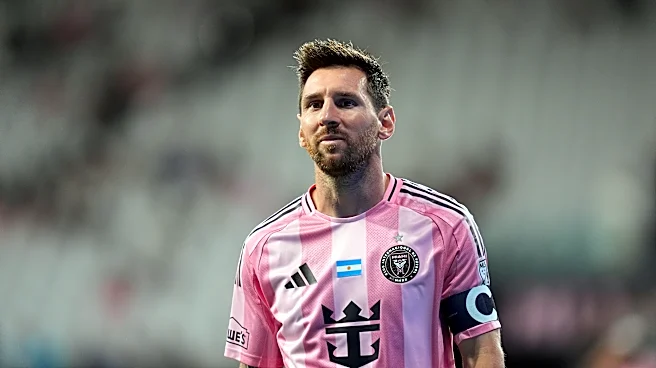
It’s not just about heart; it’s about strategy. In the modern game, there are no secrets. Analysts spend years studying top teams, identifying their weaknesses. The blueprint to beat a possession-based powerhouse is now well known: stay compact in defense, cede the ball, and strike with devastating speed on the counter-attack. We saw it when Saudi Arabia perfectly executed a high-line offside trap to frustrate Lionel Messi’s Argentina in 2022. We saw it when Mexico swarmed Germany in 2018. Favorites often come into a tournament with a rigid tactical identity, while their supposedly lesser opponents come in with a specific, targeted plan designed to cause an upset. In a short, high-stakes tournament, one brilliant tactical game plan can be enough to create a panic that unravels a favorite's entire campaign.
The Wake-Up Call Exception
However, an early panic is not always a death sentence. Sometimes, it’s the jolt a team needs. After Spain’s shocking loss to Switzerland in their 2010 opener, they didn’t panic; they regrouped. They went on to win their next six games without conceding a single goal in the knockout rounds, lifting the trophy. More recently, Argentina’s 2022 journey is the ultimate example. Their humiliating loss to Saudi Arabia was seen as a catastrophe. Instead, it forced the team to shed its complacency. It galvanized Messi and his teammates, who played every subsequent game with a desperate, backs-against-the-wall intensity that carried them all the way to glory. These cases show that an early stumble can serve as a necessary wake-up call, shaking off the rust and focusing the minds of a team that may have started to believe its own hype.