



When Beauty and Fashion Harmonize
The most straightforward role for beauty is to amplify the message of the clothes. Think of a collection filled with soft, flowing fabrics and romantic silhouettes. The natural beauty direction is one that reinforces this dreaminess. At recent London
shows, designers like Emilia Wickstead have often favored this approach, pairing their elegant designs with luminous, minimal makeup and soft, flowing waves. The goal is to create a cohesive, singular vision. The makeup, hair, and clothing all speak the same language, telling the audience exactly what to feel. This harmony was seen at Rixo, where a modern take on '60s boho-chic waves was used to echo the feel of the collection. This approach ensures the garment remains the undisputed star, with the beauty look acting as a devoted supporting character that enhances the overall narrative without stealing the scene.
The Power of a Purposeful Clash
More intriguing, however, is when the beauty direction intentionally creates tension with the clothes. A designer might present a collection of prim, tailored suits, but send models down the runway with smudged, grungy eyeliner and messy hair. This is where the real storytelling begins. London has a reputation for this kind of subversive experimentation. For instance, Harris Reed’s recent collection drew inspiration from film noir and punk rebellion, using dramatic, sharp eyeliner to inject a sense of high drama and defiance into the clothing. This clash isn't a mistake; it's a deliberate choice to create a new, more complex character. The prim suit is no longer just a suit—it's now worn by someone with a rebellious streak. This technique forces the audience to look closer and reconsider their initial interpretation. It adds grit, modernity, and an element of surprise, preventing a collection from feeling one-note.
Making a Statement with Minimalism
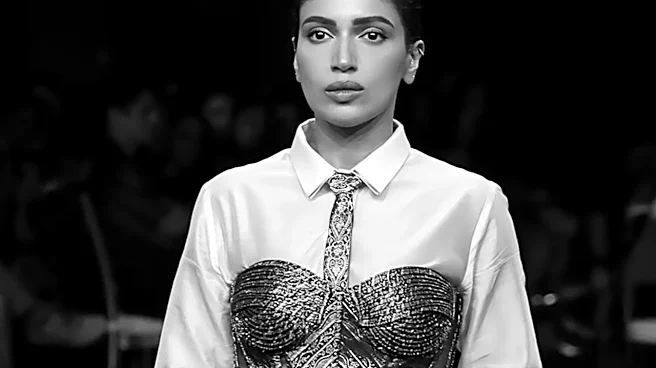
Then there’s the powerful statement of barely-there beauty. In a world of dramatic transformations, sending a model out with what appears to be a clean face and unstyled hair is one of the boldest moves a designer can make. This “mannequin skin” or “lit-from-within” glow has been a recurring theme, seen at shows for designers like Tove and Ahluwalia. This choice strips everything back, placing the focus squarely on the garment’s construction and the model’s natural form. It can suggest a mood of raw authenticity, vulnerability, or quiet confidence. The look is rooted in skin, often achieved with meticulous skincare preparation rather than layers of makeup, to create a luminous, healthy glow. It’s a purposeful rejection of artifice, suggesting the clothes—and the person in them—are enough on their own, without need for decoration.
Beauty as the Co-Author
Ultimately, the relationship between a collection and its beauty look is a creative collaboration. Lead makeup artists and hairstylists are not just technicians; they are interpreters and co-authors of the season's narrative. Backstage, conversations revolve around the mood and inspiration of the collection. For example, at Richard Quinn, sleek, sculpted updos were crafted to reflect the glamour inherent in the designer's opulent clothing. At Roksanda, hairstyles with high-gloss shapes and graphic lines were created to mirror the collection's exploration of form. These creative teams translate a designer's abstract ideas into a tangible look that can be communicated in a matter of seconds on the runway. Whether through harmony, contrast, or minimalism, the beauty direction is the crucial final brushstroke that completes the painting.