



The Weight of History
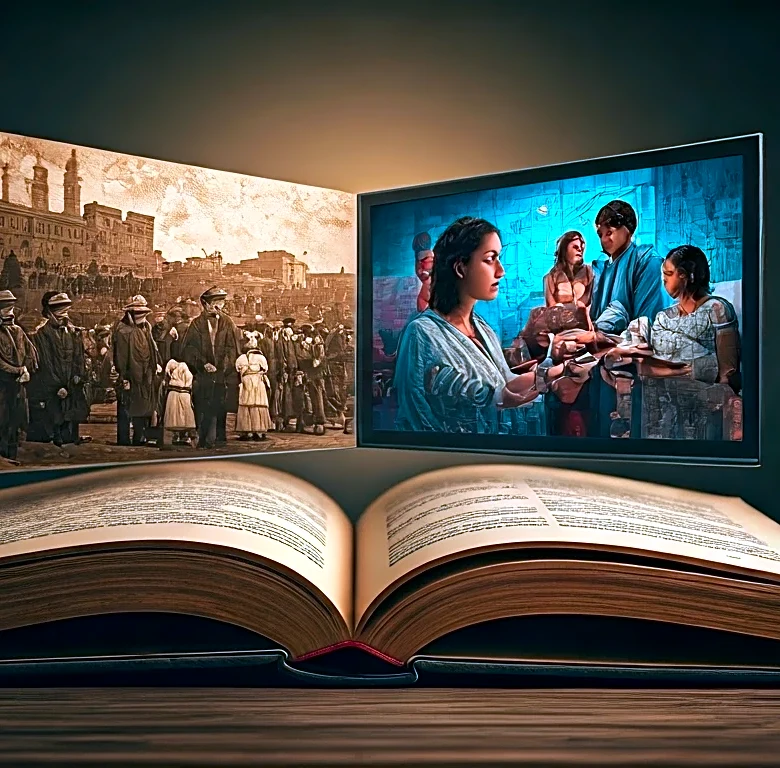
At its core, Juneteenth commemorates the end of slavery in the United States—a moment of profound liberation rooted in centuries of brutal trauma. Any honest television treatment must acknowledge this. Producers of Juneteenth specials are tasked with
incorporating the historical weight of the day without creating content that is too painful or didactic for a broad primetime audience. This often manifests as carefully produced historical packages, short documentary-style segments narrated by respected figures, or somber musical performances. For example, a special might transition from a high-energy artist to a spoken-word piece about emancipation or a quiet moment reflecting on the Galveston, Texas, announcement. The goal is to provide essential context and emotional gravity, reminding viewers *why* the celebration is necessary in the first place. It’s a crucial narrative anchor, preventing the event from becoming just another music festival on the calendar.
The Mandate to Celebrate
While trauma is the foundation, celebration is the point. Juneteenth is, after all, Freedom Day. Television, as a medium, excels at spectacle and joy, and this is where Juneteenth programming truly comes alive. These specials are often built around star-studded musical lineups, featuring a mix of legacy acts and contemporary stars from R&B, hip-hop, gospel, and jazz. Questlove’s curated CNN special, “Juneteenth: A Global Celebration for Freedom,” is a prime example, blending performances from artists like Jill Scott and Jhené Aiko with uplifting profiles of Black excellence in business, arts, and community leadership. The visual language is one of vibrancy, resilience, and cultural pride. This celebratory element serves a dual purpose: it makes for compelling television that attracts a wide audience, and it powerfully reframes the narrative from one of pure victimhood to one of enduring strength and creativity.
The Unseen Hand of Commerce
Here’s the part you don’t always see, but absolutely feel: sponsor expectations. Major television events are expensive, and they don’t happen without corporate backing. For Juneteenth, this creates a unique set of challenges. Brands want to be associated with the positive, unifying aspects of the holiday—allyship, freedom, and community. They are, however, typically wary of being too close to the raw, uncomfortable truths of slavery and systemic racism. This pressure shapes the content. It encourages a tone that is more celebratory than confrontational, more focused on progress than on lingering injustices. You’ll see “brought to you by” segments featuring feel-good ads about diversity and inclusion, or branding subtly integrated into the stage design. Producers must thread a needle, securing funding from corporations who demand a brand-safe environment while trying to maintain the historical and cultural integrity of the day. It’s a commercial reality that subtly nudges the balance away from trauma and more firmly toward feel-good celebration.
The Art of the Mix
Ultimately, the success of a Juneteenth special hinges on the skill of its producers and hosts in blending these competing elements into a cohesive whole. The best examples don't feel like they’re lurching between a history lesson, a concert, and a commercial break. Instead, they find a natural rhythm. The host might expertly transition from a performance to a personal reflection on what the day means. A segment on a Black-owned business (a sponsor-friendly topic) can be framed within the larger story of economic empowerment as a form of liberation. It’s a delicate form of cultural and commercial alchemy. They are trying to create a program that feels authentic to Black audiences who have long understood the day's significance, accessible to newer audiences who are just learning, and palatable to the advertisers who are footing the bill. It is, in many ways, a microcosm of the larger American conversation about race: how to acknowledge a painful past while celebrating the present and navigating a commercialized world.