







A Fabric of Contradictions
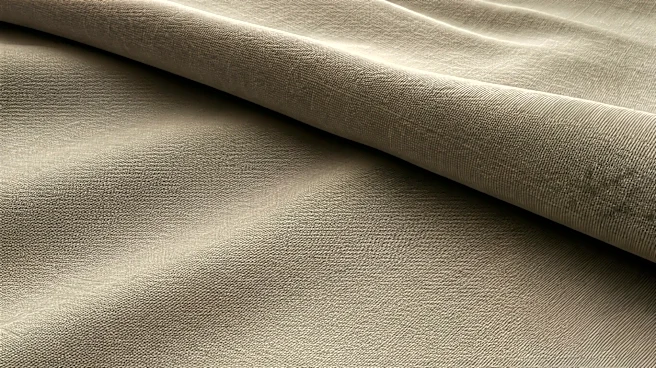
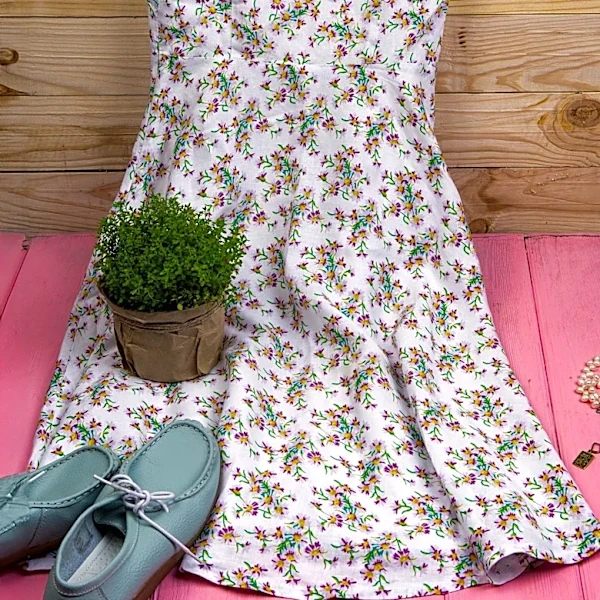
Linen is a paradox. Woven from the fibers of the flax plant, it is one of humanity’s oldest textiles, lauded for its exceptional coolness and breathability. Its open weave allows air to circulate, making it the undisputed champion of hot-weather comfort.
But this breezy elegance comes with a notorious trade-off: wrinkles. Linen fibers are strong but inelastic; they don’t stretch, they break. Every time you sit, stand, or bend your arm, you’re creating a memory in the fabric—a crisp, defined crease. In the world of casual weekend wear, this is part of its charm, signaling a relaxed, devil-may-care attitude. But in the context of formal attire, where sharp lines and a pristine finish are the currency of sophistication, linen’s natural tendency to rumple seems like a fatal flaw. It’s the sartorial equivalent of bringing a beach read to a board meeting.
The Unforgiving Royal Enclosure
To understand why pulling off linen at Royal Ascot is such a feat, you have to appreciate the environment. The Royal Enclosure, the event’s most exclusive area, operates on a dress code that is famously, almost comically, strict. For men, this means morning dress: a waistcoat and tie, a top hat, and polished black shoes. The rules are non-negotiable. This isn’t a suggestion; it’s a condition of entry. This rigid standard sets an incredibly high bar for any outfit. Every detail is scrutinized. In this arena of sartorial perfection, showing up in a garment that looks even remotely disheveled is a cardinal sin. The challenge, then, is not just to wear linen, but to make it conform to a code that seems designed to outlaw its very existence. It’s a high-wire act performed without a net.
The Art of 'Ruthless' Tailoring
This is where the tailor becomes a magician. “Ruthless” tailoring isn’t about eliminating linen’s character; it’s about controlling it with absolute precision. First, the choice of fabric matters. A high-quality, heavier-weight linen has more body and is less prone to frantic, tiny wrinkles, instead developing larger, more graceful creases. Second, the construction is key. A master tailor will often give a linen jacket more structure than usual—a half-canvassed or even fully canvassed chest piece and a light, breathable lining. This internal architecture helps the jacket hold its shape and drape correctly over the body, preventing it from collapsing into a shapeless mess. The fit must be immaculate, skimming the body without pulling or restricting movement. A tailor will cut the suit knowing how linen behaves, ensuring that when creases do form, they follow the natural lines of the body, appearing intentional rather than accidental. It’s about turning a bug into a feature, domesticating the fabric’s wild nature without breaking its spirit.
It’s More Than Just the Suit
Finally, a linen suit never looks expensive in a vacuum. The most successful linen ensembles at Ascot are a masterclass in contrast. The slightly relaxed texture of the linen is anchored by the unimpeachable formality of everything around it. The shirt beneath must be immaculate—a crisp, high-thread-count cotton poplin with a starched collar. The tie is not casual but a formal silk, knotted perfectly. The shoes are not loafers but mirror-shined black leather Oxfords. The top hat is pristine. These high-formality elements act as a frame, signaling that the choice of linen was a deliberate, confident move by someone who understands the rules so well they know how to bend them. The linen doesn’t drag the outfit down to a casual level; instead, the formal accessories elevate the linen, presenting it as a considered, sophisticated choice for navigating the heat with style.