




A Story in Three Acts
The most powerful reason for the three-stone ring's endurance is its inherent symbolism. Often called a trilogy or trinity ring, its stones are traditionally seen as a narrative of a couple's journey: the past, the present, and the future. The center
stone, typically the largest, represents the current moment of commitment, flanked by two stones that honor the memories that built the relationship and the shared dreams yet to come. This simple, poignant story gives the ring a personal significance that a single solitaire can't quite match. While this is the most common interpretation, the design's meaning is wonderfully flexible. For some, the stones represent friendship, love, and fidelity—the pillars of a strong partnership. For others, they can symbolize family, with the stones representing parents and a child, or even a spiritual trinity.
From Victorian Romance to Modern Royalty
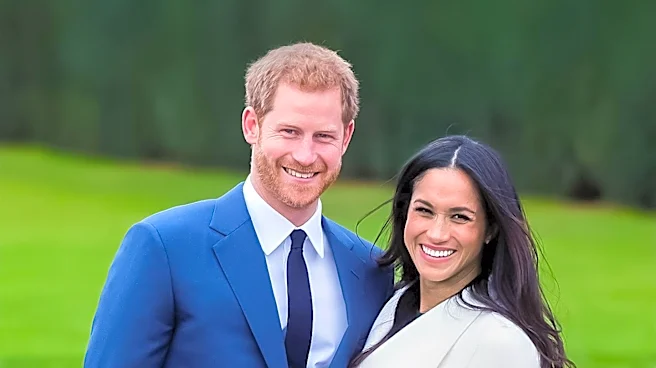
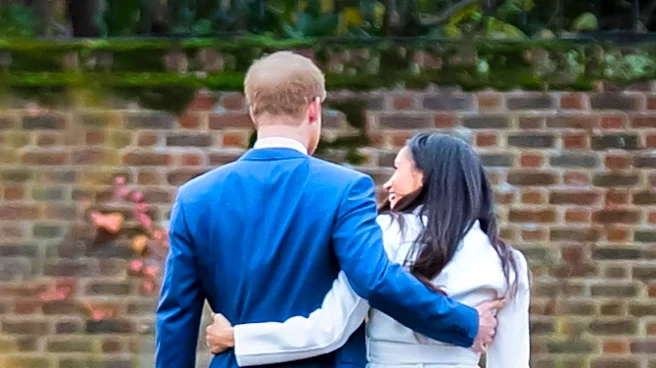
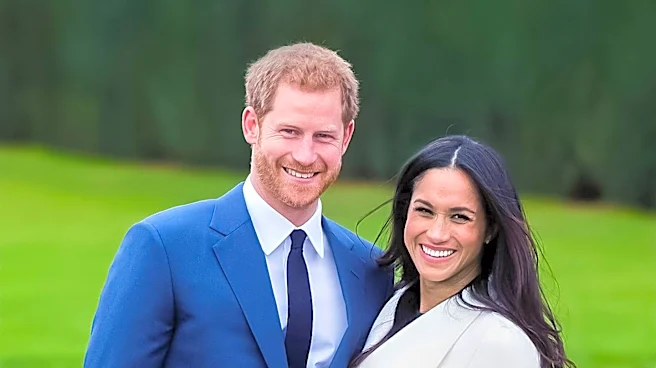
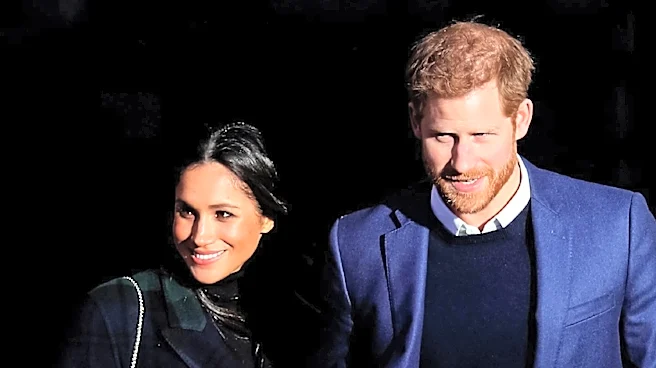
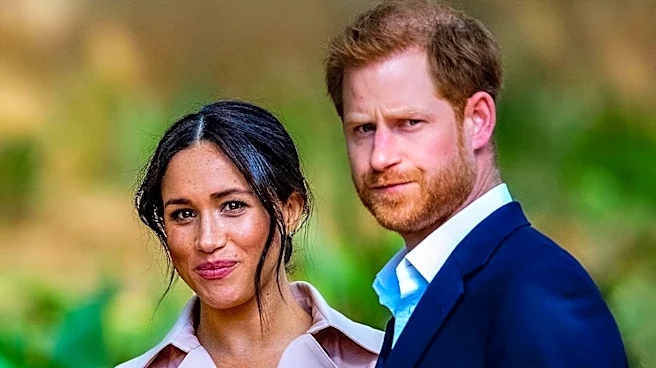
While the design feels timeless, its roots trace back to the sentimental Victorian era, a period when jewelry was rich with hidden meaning. The concept of using multiple stones to tell a story flourished during this time. The style saw waves of popularity throughout the 20th century, particularly during the Art Deco period, which favored geometric arrangements and bold, structured designs. However, the three-stone ring cemented its place in the modern consciousness in the early 2000s, thanks to a major De Beers marketing campaign that popularized the “Past, Present, Future” tagline. More recently, the style received a significant royal endorsement when Prince Harry proposed to Meghan Markle with a three-stone ring featuring a center diamond from Botswana flanked by two diamonds from Princess Diana's personal collection. This high-profile moment reintroduced the design's sentimental power to a new generation, proving its ability to feel both historic and perfectly contemporary.
The Art of Versatility
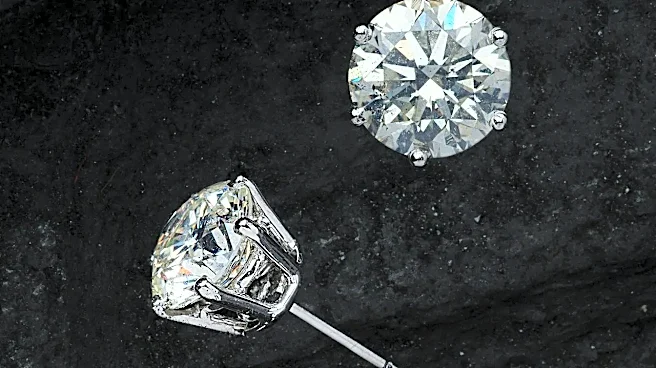
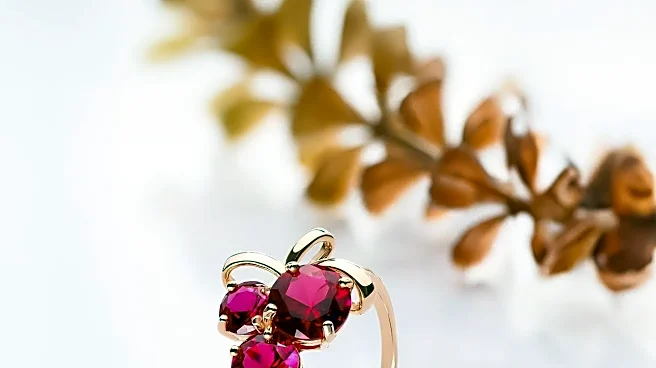
Beyond its meaning, the three-stone setting is a masterclass in design versatility. Unlike a rigid trend, it’s more of a framework than a fixed rule, allowing for endless customization. The classic look might be three round brilliant diamonds, but the variations are what keep it fresh. A structured emerald-cut diamond can be flanked by tapered baguettes for an elegant, architectural feel. A soft oval center stone might be paired with two pear-shaped diamonds to create a more romantic, flowing silhouette. The options extend to color, too. A central diamond can be accented with sapphires, emeralds, or rubies, adding a deeply personal touch and a pop of color. This adaptability is key; the ring can be tailored to reflect any style, from minimalist to opulent, without losing its essential character.
More Than the Sum of Its Parts
A key aesthetic advantage of the three-stone design is its visual impact. The side stones naturally enhance the center stone, making it appear larger and creating a brilliant spread of light across the finger. This creates a substantial presence without necessarily requiring a massive center diamond, offering a bigger look that can be more accessible. The arrangement of the stones draws the eye across the ring, creating a balanced and harmonious composition. Whether the stones are of equal size for a uniform look or graduated to emphasize the center, the result is a design that feels complete and intentional. It's a style that doesn't need to shout for attention; its elegance is built into its thoughtful structure and the story it tells.