

Curated Chaos with a Clear Vision
At first glance, a Camp Flog Gnaw lineup poster can feel like a beautiful, intentional mistake. A hardcore punk band might be listed next to a soulful R&B crooner, a trap superstar followed by an indie-pop act, and a legacy hip-hop group sharing space
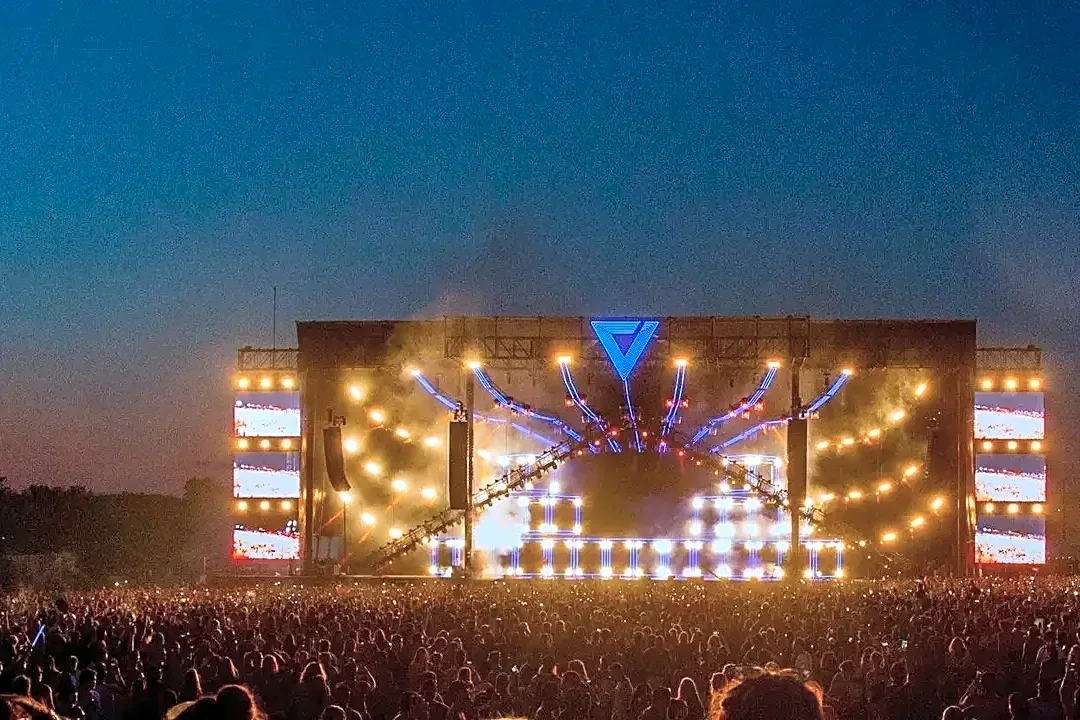
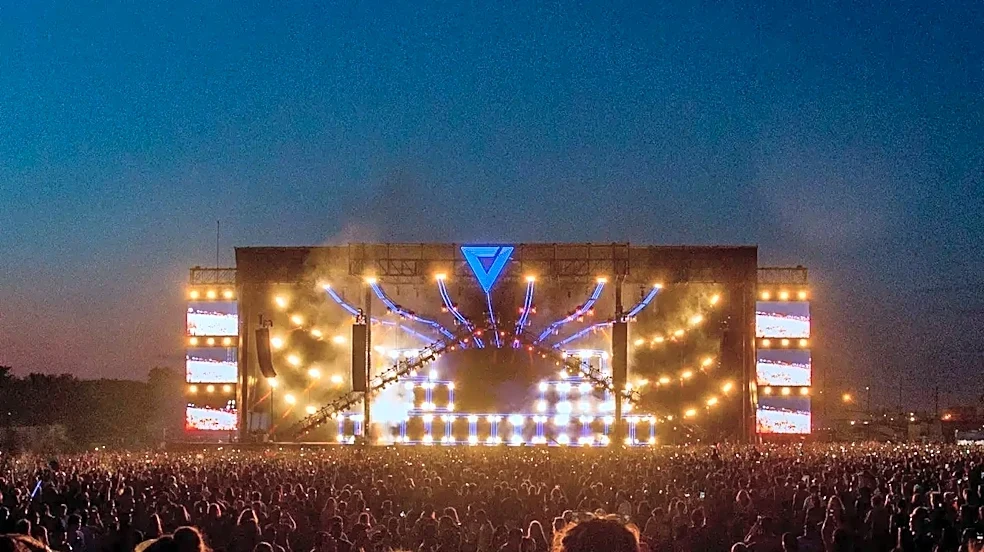
with an experimental electronic artist. This isn’t random; it’s a direct reflection of its founder's famously eclectic taste. Tyler, the Creator has built his career on defying categorization, blending rap, jazz, soul, and pop into his own unique sound. The festival, held annually at Dodger Stadium, is the live manifestation of that philosophy. It’s less a genre-specific gathering and more a giant, human-curated playlist where the only connecting thread is the creator's co-sign. This approach asks attendees to trust the curation, creating an environment where discovery is not just possible, but practically guaranteed.
A Human-Powered Discovery Engine
Music discovery in the modern era is often a passive experience. Streaming services learn what you like and serve you more of the same, creating a comfortable but often predictable bubble. Camp Flog Gnaw offers a powerful counter-proposal. The 2026 lineup, for instance, places trap king Future on the same bill as hardcore breakouts Turnstile, indie darling Wallows, and retro-soul group Thee Sacred Souls. Past years have seen similar genre collisions, like SZA and Kendrick Lamar's project The Hillbillies sharing a weekend with punk band Turnstile and the reunited Clipse, or Latin Grammy winners like Kali Uchis on the same poster as alt-rockers. This intentional mixing forces audiences to cross-pollinate. A fan who came for Vince Staples might find themselves captivated by the synth-pop of Magdalena Bay or the experimental sounds of Jane Remover. It’s a real-world discovery engine powered not by code, but by genuine artistic appreciation.
More Than a Festival, It’s a Community
The festival’s name, a spin on 'Wolf Gang' from Tyler’s Odd Future collective, hints at its communal roots. From its early days, the event has featured a mix of Odd Future alumni like Earl Sweatshirt, Syd, and Domo Genesis alongside artists from completely different scenes. This blend of familiar faces and new discoveries fosters a unique environment. It’s part reunion, part talent showcase. This philosophy extends to the undercard, where Tyler often platforms lesser-known acts he believes in, giving them exposure to tens of thousands of curious fans. In a market saturated with festivals that cater to increasingly narrow niches—be it EDM, country, or indie rock—Flog Gnaw’s broad-spectrum approach feels like a radical act. It suggests that a love for music shouldn’t have borders and that the most exciting cultural moments happen when different worlds collide.
Why This Still Matters
In a world of infinite choice, true curation has become more valuable than ever. While it’s easy to dismiss a festival lineup as just a list of names, Camp Flog Gnaw’s construction represents a deeper cultural statement. It champions the idea of an active listener—someone who is open to surprise and willing to step outside their comfort zone. It respects the audience enough to challenge them, betting that the thrill of discovering something new is more powerful than the comfort of the familiar. The festival has had its infamous moments, like the controversial 2019 surprise guest appearance by Drake, which proved that even the most open-minded crowds have their limits. Yet, the incident only underscores the passionate, opinionated nature of the community Tyler has built. The fans who flock to Dodger Stadium each year aren't just there to see a show; they're there to participate in a cultural event built on a foundation of bold, unapologetic taste.