


1. Prioritize the Hat, Not the Headpiece
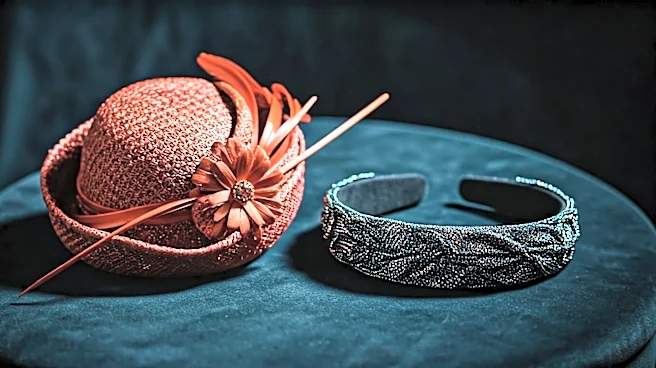
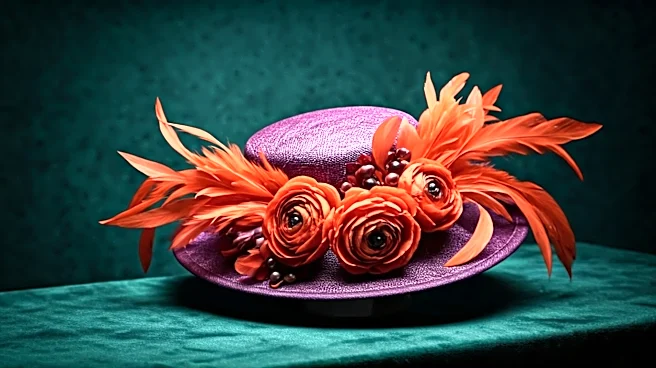
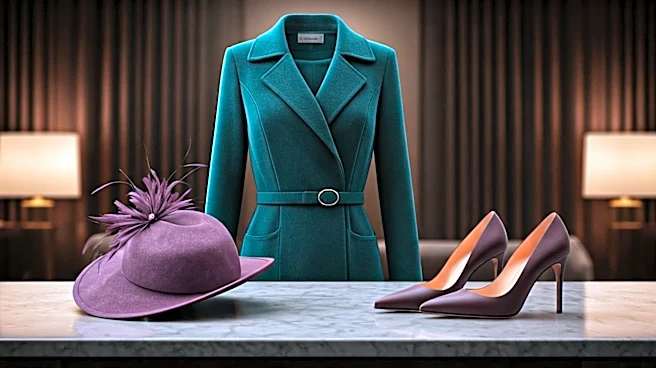
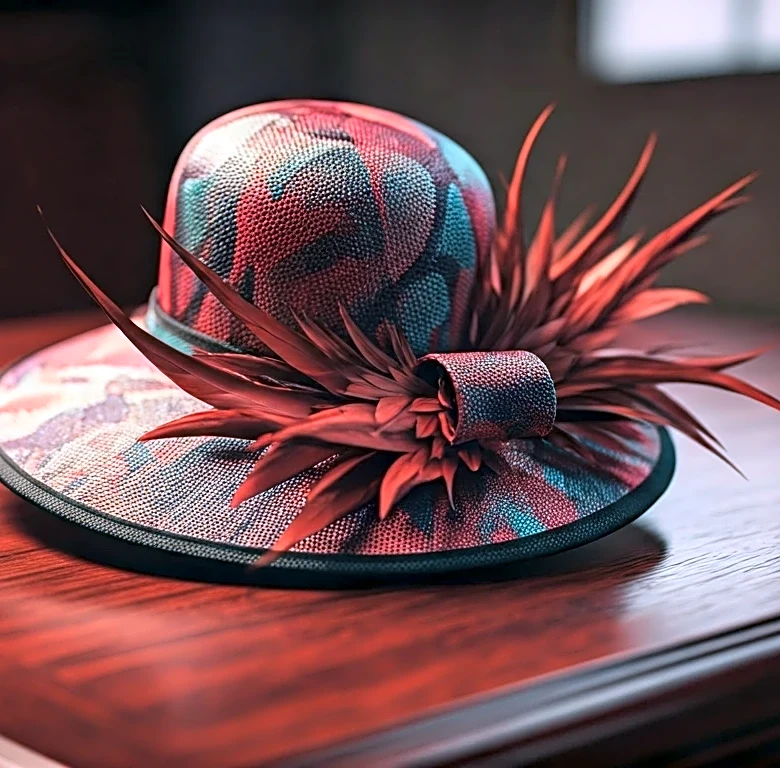
The hat is the main event. While fascinators are permitted in some enclosures, fashion insiders know a true hat is the superior choice. For the prestigious Royal Enclosure, the rule is unambiguous: a solid base of 4 inches (10cm) in diameter is the minimum.
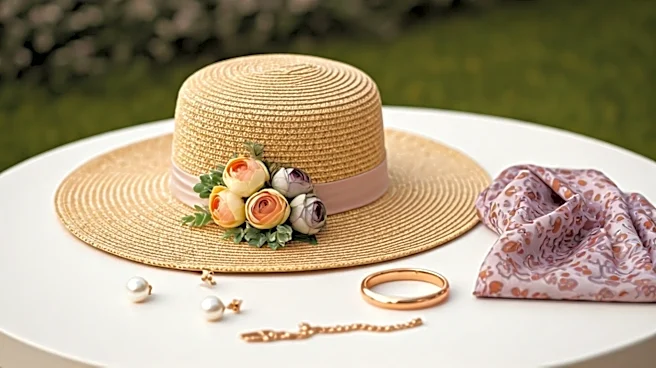
Instead of seeing this as a restriction, view it as the anchor of your entire look. A well-chosen hat with structure and a considered silhouette speaks volumes more than a flimsy fascinator perched on a headband. Look for sculpted sinamay, elegant straw boaters, or artfully tilted discs. The goal isn't to wear the biggest hat, but the most balanced and complementary one.
2. Understand 'Modest' Hemlines and Straps
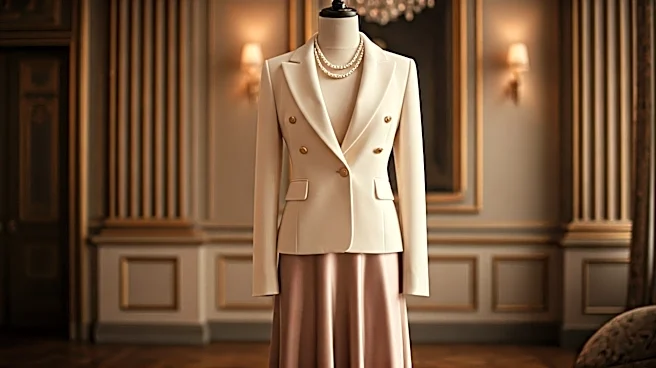
The official rules for the Royal and Queen Anne Enclosures call for 'modest' hemlines—falling just above the knee or longer—and straps of 'one inch or greater'. This is where many go wrong, defaulting to matronly or uninspired shapes. A savvy attendee uses these guidelines to explore sophisticated silhouettes. Think elegant midi dresses, fluid A-line skirts, or tailored sheaths with interesting necklines. A dress with a sleek, structured shoulder and a one-inch strap looks far more modern than a basic spaghetti-strap dress with a required shrug or jacket thrown over it. The key is to find a garment where the modesty is integral to the design, not an afterthought.
3. The Jumpsuit is an Advanced Move
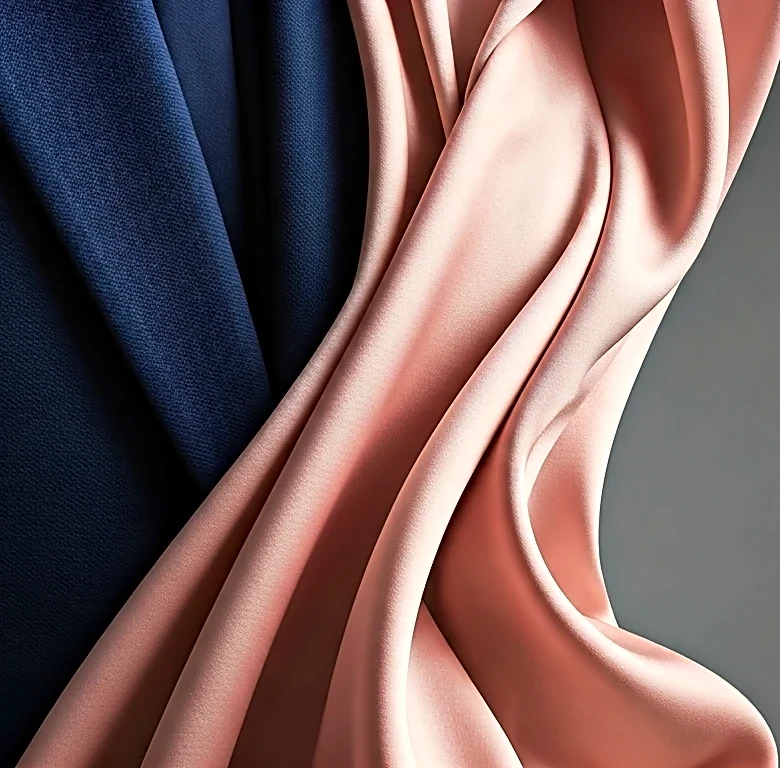
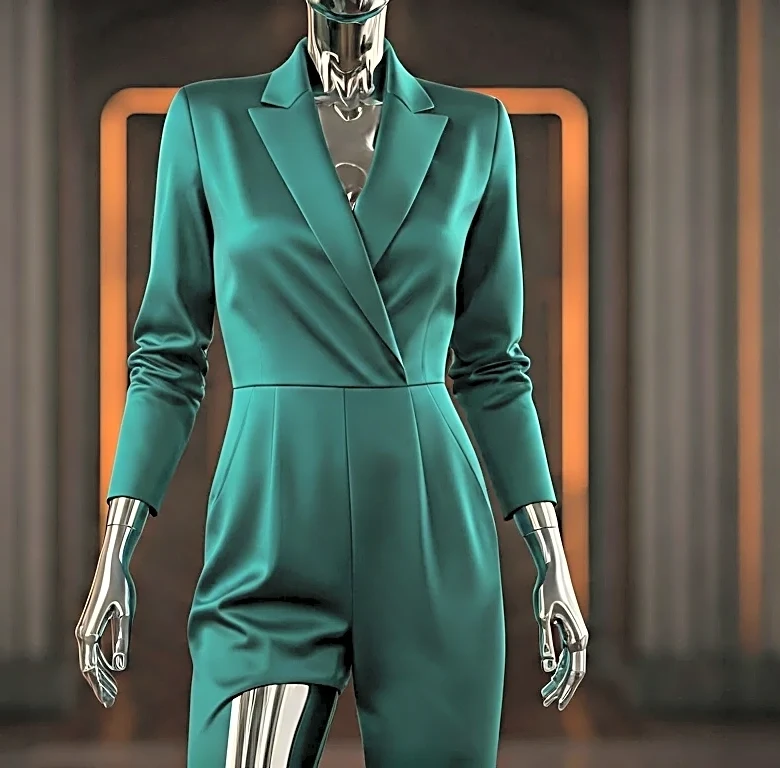
Jumpsuits were a welcome modern addition to the Ascot dress code a few years ago, but they are tricky to get right. To meet the standard, they must be full-length and adhere to the same neckline and strap rules as dresses. The mistake is choosing a jumpsuit that looks too casual, corporate, or evening-wear-adjacent. The best Ascot jumpsuits are crafted from high-quality, structured fabrics like crepe or silk blends in a wide-leg or palazzo silhouette. A solid, bold color often works better than a busy print. Treat it as you would a formal dress: it needs to project daytime elegance, not look like something you'd wear to a business meeting or a nightclub.
4. Master Tonal and Coordinated Dressing
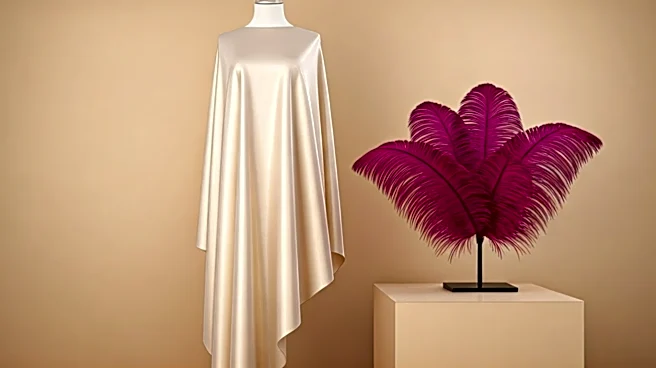
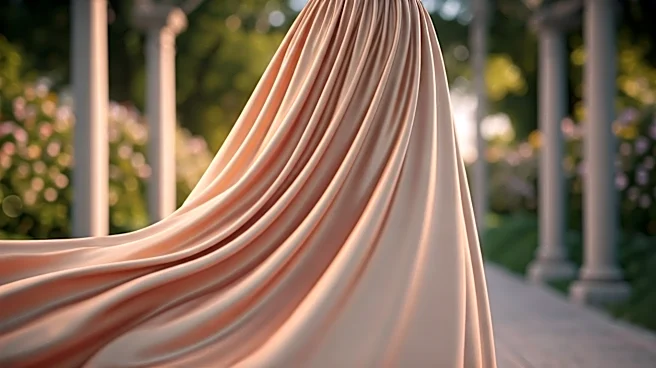
While a riot of clashing prints can be fun, a more respected and timeless approach is tonal dressing or a carefully coordinated two-piece set (a 'co-ord'). Wearing varying shades of a single color—like blush, cream, and rose—creates an incredibly chic, elongated silhouette. Alternatively, a matching top and skirt can provide the elegance of a dress with a more contemporary feel. This shows intentionality and a strong understanding of color theory. It looks polished and expensive, even when it isn't, and provides a perfect canvas for a statement hat.
5. Choose Footwear for Grass and Grandstands
There are no official rules about footwear, but this is the ultimate insider test. Stiletto heels are an amateur move. You will be on your feet for hours, walking across manicured lawns that are surprisingly soft. Sinking into the grass is neither elegant nor comfortable. The veteran’s choice is a stylish block heel, a sophisticated espadrille wedge (not a chunky beach wedge), or a chic pointed flat. Your footwear should be practical enough for a full day of standing and walking, but still polished enough to complete a formal outfit. Comfort here isn't about giving up; it's about being smart enough to enjoy the day in style.
6. The Bag is a Supporting Actor
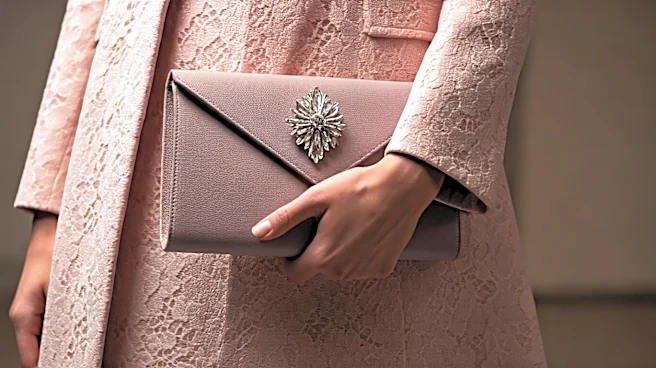
Your bag's job is to be discreetly useful. A giant tote or a casual crossbody bag will ruin the line of your outfit. The correct choice is a small clutch or a delicate top-handle bag that complements your look without competing for attention. It should be large enough to hold your essentials—phone, lipstick, race card, and payment method—but nothing more. Let your hat and dress do the talking; the bag is there to harmonize, not to shout. Think of it as the final, quiet punctuation mark on your sartorial statement.