

A Throne Suddenly Empty
The drama began with a power vacuum. In late 2014, Gucci's parent company, Kering, announced the departure of its power couple: Creative Director Frida Giannini and her partner, CEO Patrizio di Marco. After years of stagnating sales and lukewarm reviews,
the brand was ready for a change. Giannini was originally slated to present her final menswear collection in January 2015 before her exit, but the transition was anything but smooth. The new CEO, Marco Bizzarri, arrived and Giannini was abruptly dismissed, leaving the house without a creative leader just days before Milan Men's Fashion Week. The collection she had prepared was now irrelevant, and a massive, expensive runway show was looming with nothing to show for it. The stage was set for a full-blown catastrophe.
The Man Behind the Curtain
Enter Alessandro Michele. At the time, he was a virtual unknown to the public, a quiet, long-haired designer who had worked behind the scenes at Gucci for over a decade, primarily as the head of accessories. He was Frida Giannini's associate, a trusted member of the internal team but certainly not a superstar designer with global name recognition. As the fashion world speculated on a high-profile replacement like Riccardo Tisci or Hedi Slimane, Gucci's new CEO made an audacious gamble. Instead of hiring an outsider, Bizzarri turned to the inside man. He challenged Michele, who had been at the company since the Tom Ford era, to prove his vision.
A Five-Day Miracle
The challenge was monumental: create an entirely new menswear collection, from concept to runway-ready garments, in just five days. The existing collection was scrapped. Michele and a small, dedicated team reportedly worked around the clock in a flurry of creative desperation. It was an impossible task that forced a complete break from the past. There was no time for careful market research or to cautiously evolve the brand's aesthetic. Michele had to rely entirely on his own creative instincts. This pressure-cooker environment became the crucible for a new Gucci, forcing a raw, unfiltered and deeply personal vision to the forefront. It was a do-or-die moment, not just for Michele's career, but for the immediate future of the Gucci brand on the world stage.
The Show That Changed Everything
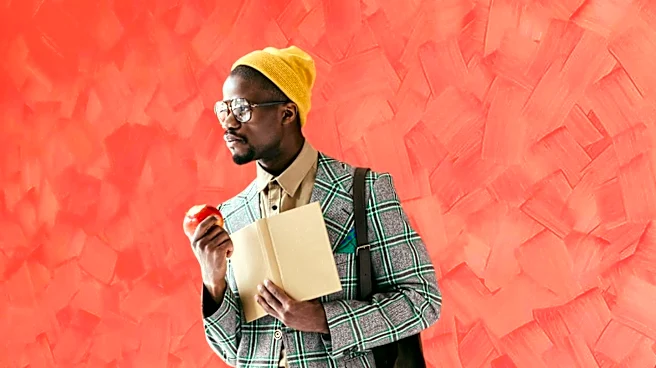
When the first model stepped onto the runway, the fashion industry was stunned. Instead of the hyper-sexualized, glossy masculinity of the Tom Ford and Giannini eras, Michele sent out a romantic, androgynous poet in a striking red pussy-bow blouse. What followed was a collection that shattered conventions: men in lace tops and fur-lined slippers, delicate floral prints, and a nerdy, intellectual, “geek-chic” sensibility. It was romantic, eccentric, and radically different from anything Gucci had ever been. It wasn't just a new collection; it was a new philosophy. Michele's work celebrated individuality and blurred the lines between masculine and feminine, trading jet-set glamour for vintage-store whimsy and intellectual charm. The show was an immediate, critical success.