




More Than a Premiere Hotspot
Mention the major fall film festivals, and the mind immediately leaps to red carpets, Oscar buzz, and the frantic discovery of the year's most anticipated new movies. Telluride certainly plays a role in that cycle, having premiered future classics like
"Brokeback Mountain," "Juno," and "Slumdog Millionaire". But to see the festival solely as a stop on the awards circuit is to miss its fundamental purpose. While other festivals are markets, Telluride is a retreat. Operated by the National Film Preserve, its mission has always been focused on celebrating the art of film in its entirety. It's an event dedicated not to commerce, but to the love of cinema, where a new masterpiece can be discovered alongside a forgotten classic. This ethos transforms the viewing experience from a passive consumption of new content into an active engagement with a living, breathing art form.
Tributes That Build a Bridge to the Past
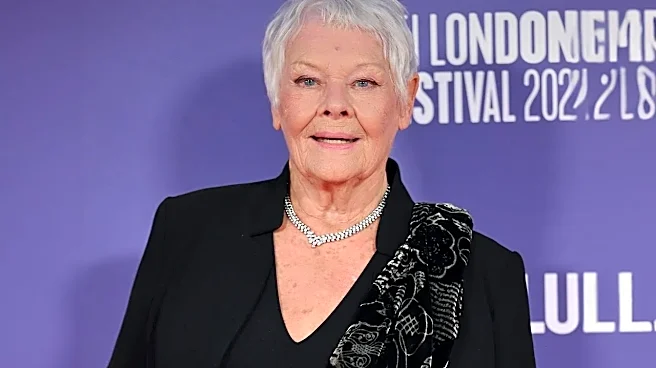
A core component of Telluride's identity is its deep and abiding respect for film history, which is most visibly expressed through its tribute programs. Each year, the festival presents its Silver Medallion to artists for their significant contributions to cinema. Honorees have ranged from global icons like Meryl Streep and Francis Ford Coppola to influential but perhaps less universally known masters. These tributes are more than just lifetime achievement awards; they are curated deep dives into an artist's work, often including screenings of their films and on-stage conversations. Furthermore, the festival's Special Medallion honors heroes of film preservation, such as Martin Scorsese's The Film Foundation, underscoring the importance of saving cinema's heritage. By placing these pioneers on the same pedestal as the directors of the year's hottest new films, Telluride makes a powerful statement: today's cinema stands on the shoulders of giants.
A Curated Conversation on Screen
Telluride’s genius lies in its curation, which actively fosters a dialogue between old and new. The schedule, famously kept secret until attendees arrive, might place a screening of a restored silent film from the 1920s just hours before the world premiere of a gritty contemporary drama. This intentional juxtaposition encourages audiences to draw connections across decades of filmmaking. You might watch a newly restored work by a Mexican director from the 1950s in the morning, and that afternoon see a debut feature from a young filmmaker that echoes similar themes or visual language. Each year, a guest director—a respected filmmaker in their own right—is also invited to curate a selection of often overlooked films, adding another layer of historical context to the program. This structure isn't accidental; it’s designed to show that film is a continuous conversation, where modern techniques are often refinements of ideas born long ago. The modus operandi is clear: "the past bumps up against the present."
An Egalitarian Viewing Experience
The festival's most unique feature—its secret program—is the final piece of the puzzle. By not releasing the schedule in advance, Telluride strips away the hype and preconceptions that often dominate other festivals. Attendees arrive with an open mind, ready for discovery. In this environment, a 100-year-old restored classic and a potential Best Picture winner are on equal footing. This creates a purely cinephilic atmosphere where the love of the medium is the main attraction. It's a place for total cinematic immersion, where enthusiasts and creators mingle, and the person standing behind you in line might be the director of the film you just saw. This fosters a community that appreciates cinema not as a disposable product, but as a rich and evolving cultural heritage. The festival exists to bring lovers and creators of cinema together to discuss the most interesting work of both the past and the present.