





The Flashy, Formal First Wave
Before the b-boy look took over, early 1980s hip-hop style was a mashup of lingering disco flash and aspiring formalism. Groups like Grandmaster Flash and the Furious Five were known for elaborate, custom-made leather outfits that cost a small fortune.
Others, like the Cold Crush Brothers, would perform in full suits and mink coats. Even early versions of Run-DMC, under the guidance of Russell Simmons, sported a more clean-cut image with plaid sport jackets and corduroy suits. This era was less about reflecting the street and more about classic showmanship—a kind of flashy professionalism that borrowed from funk and soul performers. It was a look designed for the stage, not the sidewalk.
The Preppy Detour
Alongside the stage-wear, another surprising trend gained traction in the early '80s: the preppy look. As hip-hop culture grew, a contingent of upwardly mobile Black youth, sometimes called 'buppies', adopted the markers of collegiate and country club style. Think Polo, Tommy Hilfiger, and Timberland boots worn for their elite, all-American appeal. This wasn't appropriation; it was a re-contextualization of status symbols. It was about taking the uniform of the establishment and making it their own. For a time, this clean, aspirational aesthetic existed as a real and popular alternative to what would come next. It was a vision of hip-hop style that was less about the block and more about the country club.
Run-DMC Draws a Line in the Sand
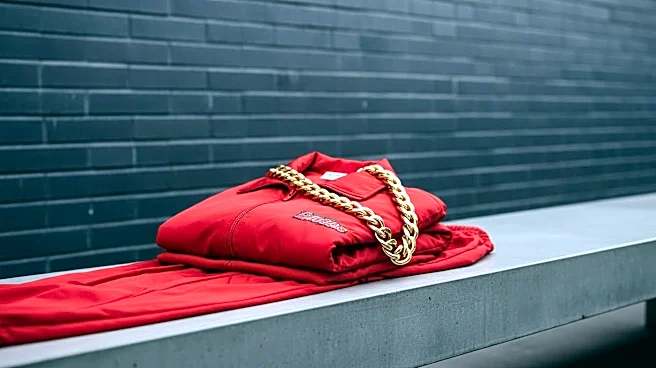
The major pivot point came from Queens. Run-DMC made a conscious decision to reject the polished, costume-like aesthetics of their predecessors. They chose to dress on stage exactly how they dressed on their neighborhood streets in Hollis: Lee jeans, leather jackets, Cazal glasses, and, most famously, Adidas Superstar sneakers with the laces removed. Their 1986 track, "My Adidas," wasn't just a song; it was a cultural anthem that solidified the bond between hip-hop and streetwear. When an Adidas executive saw a whole arena of fans hold their sneakers in the air at a Madison Square Garden show, the game changed. The group signed a groundbreaking $1.6 million endorsement deal, the first of its kind between a rap group and a major sportswear brand. This move single-handedly cemented the tracksuit and sneaker combo as the official uniform of hip-hop, steering fashion away from suits and polos for good.
The High-Fashion Remix of Dapper Dan
While Run-DMC was championing authentic streetwear, another force in Harlem was pushing style in a different, more luxurious direction. Dapper Dan was a boutique haberdasher who became legendary for his custom creations that remixed the logos of high-fashion European brands like Gucci, Fendi, and Louis Vuitton onto tracksuits, bomber jackets, and car interiors. This wasn't preppy aspiration; it was a bold and audacious claiming of luxury. He provided a bespoke, high-status look for rappers, athletes, and street hustlers who were excluded from the traditional luxury market. Dapper Dan’s work proved that street style could also be high fashion, creating a parallel track that celebrated opulence and craftsmanship, influencing generations of artists and designers and adding another layer of complexity to the look of the era.