





A King Without a Kingdom
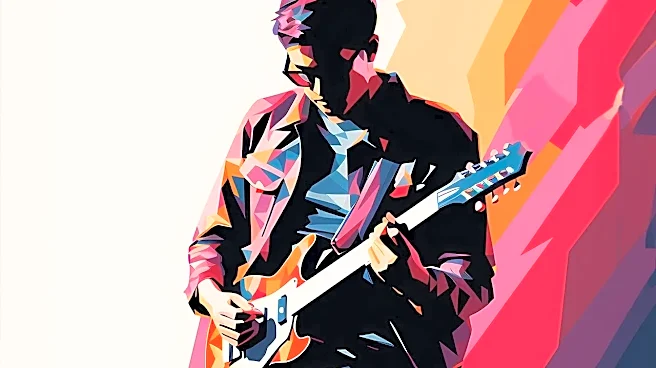
By the end of the 1960s, Freddie King was already a legend, one of the revered “Three Kings” of blues guitar alongside B.B. and Albert. His early '60s instrumentals like "Hide Away" were required learning for budding guitarists on both sides of the Atlantic.
But the music landscape had shifted. Blues-rock was booming, yet King, a foundational artist, found his career stalling. He'd been rejected by the iconic Chess Records early in his career and had bounced between labels. To many record executives, his raw, Texas-inflected blues style felt like a relic from a previous era, not the kind of sound that would connect with the rock audiences of the day.
An Unlikely Alliance
Enter Leon Russell. In the early 1970s, Russell was a musical force of nature—a bandleader, songwriter, producer, and solo artist at the epicenter of American rock and roll. He had just established Shelter Records and, as a longtime fan, had a vision for recording Freddie King. Russell saw the explosive power in King’s playing that the major labels were missing. He signed King in 1970 and brought him into his orbit of top-tier session players, including bassist Donald "Duck" Dunn of Booker T. & the M.G.'s fame. This wasn't just a record deal; it was a rescue mission. Russell believed he could bridge the gap between King's blues authenticity and the massive rock audience that was primed for it.
The Sound of 'Getting Ready...'
Recorded in 1970 at the former Chess studios in Chicago and released in 1971, the album was aptly titled Getting Ready... The conventional wisdom was that a pure blues album wouldn't sell in the rock-dominated market. But Russell and co-producer Don Nix didn't make a pure blues album. They created something new: a high-energy, soulful, and gritty record that fused King’s ferocious guitar licks with Russell’s swampy, gospel-tinged piano and a thundering rhythm section. Songs like the Don Nix-penned "Going Down" became anthems, roaring out of speakers with a power that was more rock than traditional blues. The sound was a gamble—it wasn't strictly for blues purists, nor was it polished enough for pop radio. It was raw, immediate, and honest.
Vindication and Lasting Legacy
The industry's hesitation proved unfounded. Getting Ready... was a success, reigniting King's career and catapulting him onto the festival circuit, where he shared stages with the very rock acts he had influenced. The album and its two Shelter follow-ups, Texas Cannonball (1972) and Woman Across the River (1973), introduced him to a younger, wider audience who embraced his electrifying stage presence. The impact of the record far outlasted its chart performance. It became a sacred text for guitar players, demonstrating how to play blues with rock-and-roll intensity without losing an ounce of soul. The raw energy captured on Getting Ready... can be heard in the DNA of artists like Stevie Ray Vaughan and countless others who followed.