



The Philosophy of 'No-Style' Style
In Silicon Valley, the most powerful statement you can make with your clothes is that you're too busy changing the world to think about them. This calculated nonchalance, however, is anything but thoughtless. It’s a concept often called 'stealth wealth'
or 'quiet luxury.' The goal isn't to be anti-fashion, but rather post-fashion. The uniform—popularized by figures like Mark Zuckerberg and the late Steve Jobs—is meant to signal a focus on function, efficiency, and intellect over fleeting trends. By wearing the same high-quality basics daily, the narrative goes, one eliminates 'decision fatigue,' saving mental energy for more important problems. This creates a uniform that projects a specific kind of power: one that's so secure it doesn't need to shout.
The Uniform Deconstructed
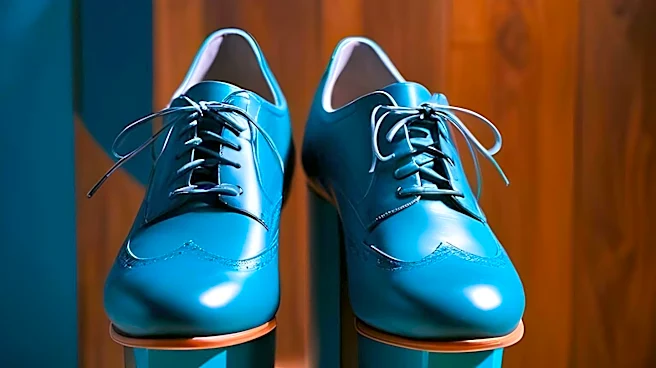
At first glance, it's just a grey t-shirt, dark jeans, and clean sneakers. But for those who 'get it,' the difference is in the details. That grey t-shirt isn't a generic multi-pack item; it's often a custom-made piece from an Italian luxury brand like Brunello Cucinelli, known for its exquisite materials and costing hundreds of dollars. Steve Jobs' iconic black turtleneck was from Japanese designer Issey Miyake. The hoodie isn’t a college leftover; it's likely a soft, perfectly structured cashmere blend. The sneakers are rarely flashy; think minimalist, logo-free designs from brands like Allbirds or Veja. The entire look is a carefully assembled collection of investment pieces that prioritize material and fit above all else.
It’s All About Fabric, Fit, and Function
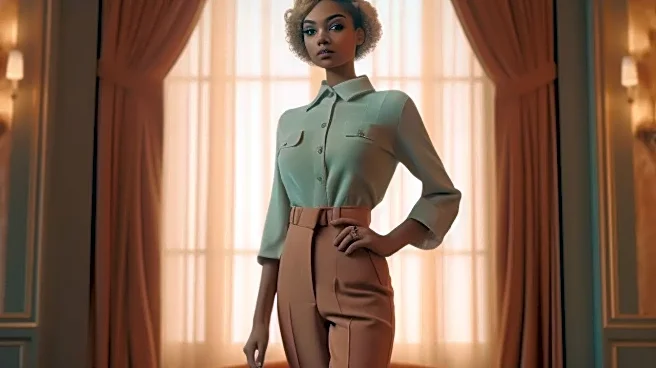
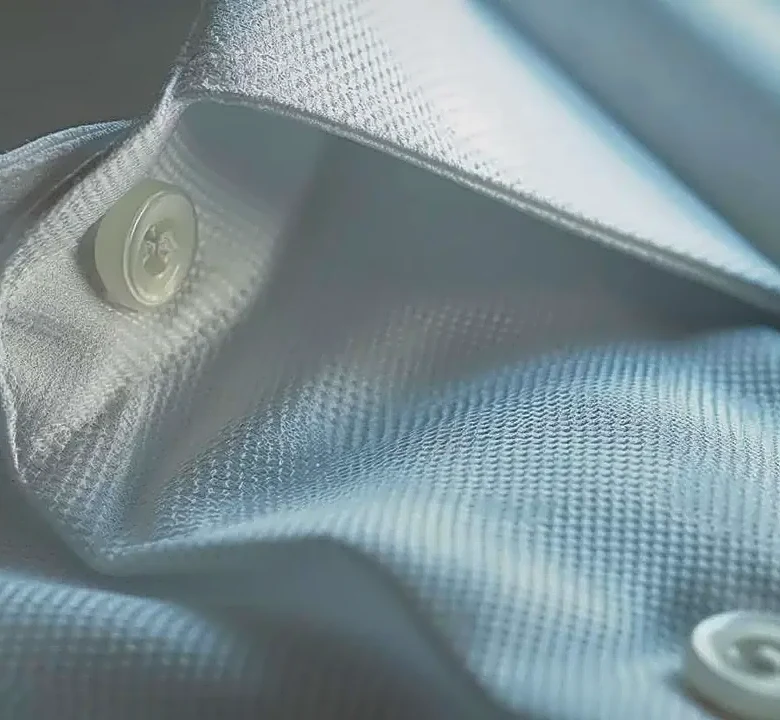
Getting the Silicon Valley look right is an exercise in subtlety. The first rule is that logos are for outsiders. A true insider's garment is identifiable not by a brand name splashed across the chest, but by the quality of its construction. The fabric is key: think ultra-soft cashmere, merino wool, and premium combed cotton that drapes just right. Fit is the second pillar. The clothes are never sloppy; they are tailored to be comfortable yet clean-lined. The silhouette is streamlined and optimized. Finally, there's function. The clothing is practical for a life that might involve a morning meeting, an afternoon coding session, and a flight to a conference—all without a wardrobe change. It's a uniform built for performance, not just for show.
Getting It Wrong: The 'Trying Too Hard' Trap
The easiest way to misinterpret the dress code is to mistake 'expensive' for 'correct.' Wearing a designer piece with a loud, recognizable logo—even from a luxury brand—misses the point entirely. The aesthetic is about whispering wealth, not screaming it. Someone trying too hard might wear the latest trendy, high-fashion sneaker, while the insider opts for a more understated, timeless pair. The goal is to look like you've been part of this world for years, not like you just arrived with a new Amex card. The style is a signal of belonging to a specific tribe, and those who try to buy their way in with flashy gear often expose themselves as visitors. It's the difference between wearing a costume and wearing a uniform you’ve truly earned.