

Embracing the Magic of Natural Light
Time is money, and in indie film, lighting is time. A full professional lighting setup for a single scene can involve a truckload of gear, a specialized crew, and hours of painstaking adjustment. For a film on a 15-day shooting schedule, that’s a death
sentence. The solution? Become a master of the sun. Indie cinematographers often schedule their most crucial exterior shots during the “golden hour”—the brief period after sunrise or before sunset when the light is soft, warm, and naturally beautiful. It creates a high-end, cinematic look for free. For interiors, it’s about using windows as your key light source, bouncing daylight with simple reflectors, and accepting the moody, high-contrast look that comes from a single, powerful source. It's less about creating a perfectly lit environment and more about capturing the beauty of the one that’s already there.
The Power of the Static Shot
Complex camera movements—sweeping crane shots, intricate dolly moves—look incredible, but they are logistical nightmares. They require specialized equipment, extensive rehearsal, and multiple takes to perfect. The indie workaround is to embrace the power of the static shot. By locking the camera on a tripod and crafting a beautiful, well-composed frame, filmmakers save immense amounts of time. But this isn't just a lazy choice; it’s an artistic one. A carefully held shot can build incredible tension, allow actors to move freely within the frame, and draw the audience’s eye to subtle details in the performance or production design. When a director limits camera movement, the movements that *do* happen—a slow, deliberate pan or a subtle reframing—carry enormous weight and emotional impact.
One Location, Endless Possibilities
Moving an entire film production from one location to another, known as a “company move,” can devour half a shooting day. You have to pack up gear, transport cast and crew, and then set everything up again from scratch. It’s a budget and schedule killer. That’s why so many beloved indies are set primarily in a single location—a house, an apartment, a remote cabin. The challenge, and the art, is making one space feel dynamic and visually interesting for 90 minutes. Cinematographers achieve this by shooting the location from every conceivable angle, using different lenses to make spaces feel bigger or more claustrophobic, and lighting rooms differently for day and night. The location becomes a character in itself, its geography shaping the story and its limitations forcing creative, visually engaging solutions.
The “Documentary” Aesthetic as a Weapon
Why spend hours setting up a smooth dolly track when a handheld camera can get you right into the heart of the action? The raw, slightly shaky aesthetic popularized by documentaries has become a go-to tool for indie filmmakers. On a practical level, it’s incredibly efficient. A skilled camera operator can react to actors’ improvisations in real-time, moving with them and capturing spontaneous moments of magic that would be impossible with a locked-down camera. This approach allows for fewer lighting setups, as the camera can find the best light in the room. Artistically, this style lends an urgent, authentic, and intimate feel to a story. It makes the audience feel like they are a fly on the wall, experiencing the events alongside the characters. What began as a necessity has evolved into a powerful stylistic choice.
Sticking to One Prime Lens
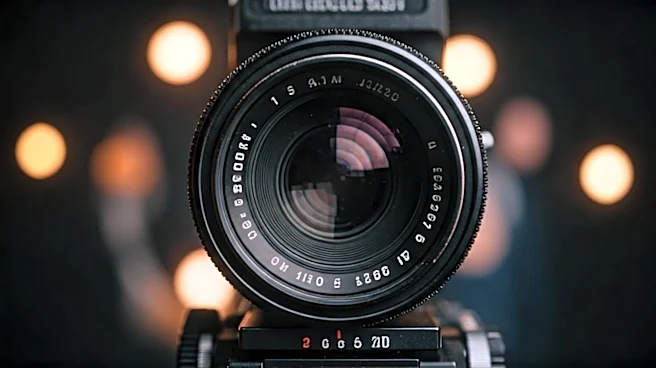
A full set of cinema lenses is expensive to rent and time-consuming to swap out between shots. A common shortcut is to shoot an entire film, or large portions of it, on a single “prime” lens (a lens with a fixed focal length, like a 35mm or 50mm). This forces a consistent visual language on the film. The cinematographer learns the exact properties of that one lens—how close it can focus, how it renders the background, what its field of view is—and uses that knowledge to frame every shot. Instead of zooming, the camera has to physically move closer to or further from the subject. This limitation breeds discipline and a strong point of view, giving the final film a cohesive, unified look that feels intentional and artful, not compromised.